
Politics
Supreme Court to Consider Davis’ Same-Sex Marriage Challenge on Nov. 7

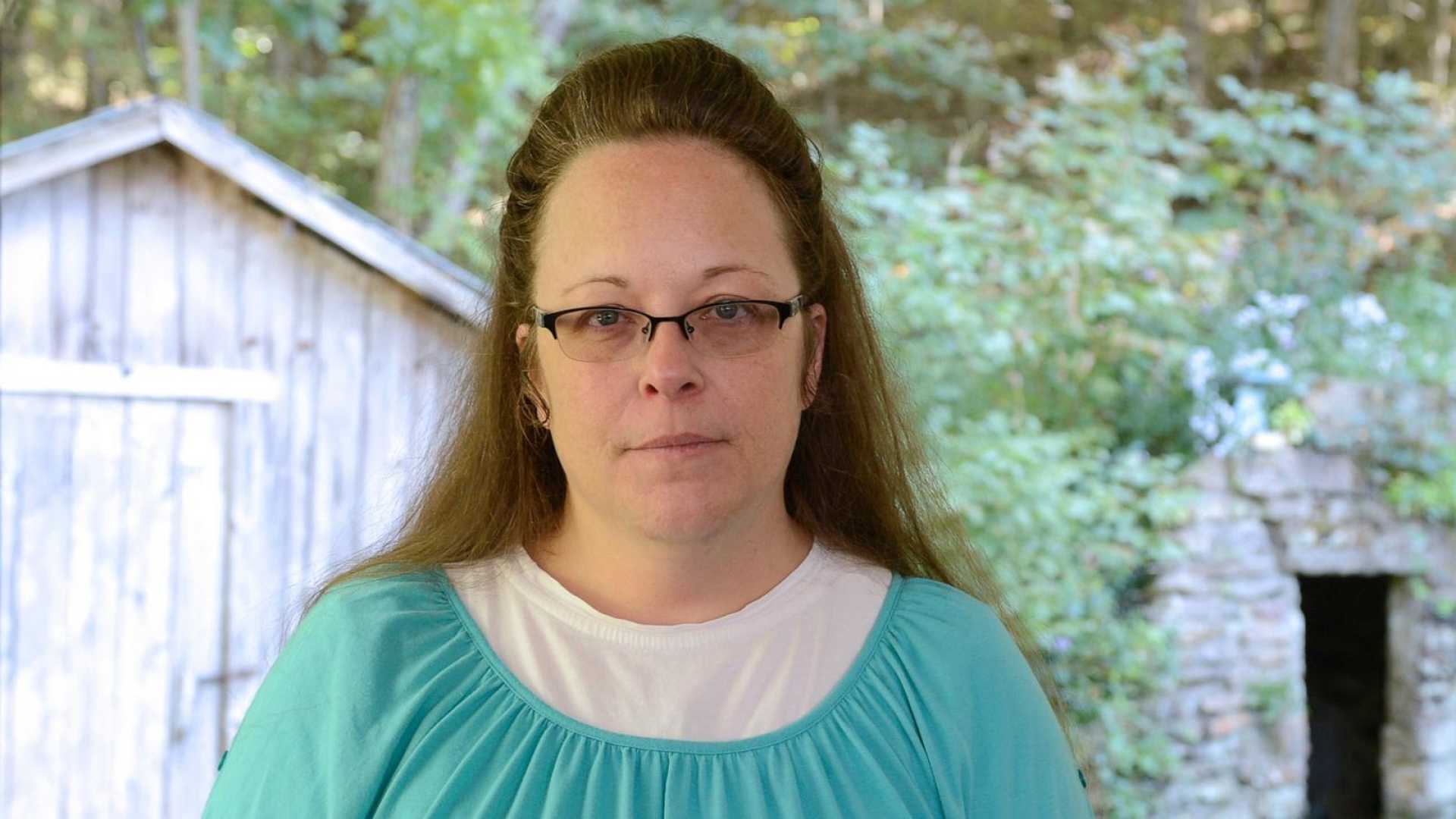
WASHINGTON, D.C. — The U.S. Supreme Court is set to hold a private conference on Nov. 7 to decide whether to hear a challenge to marriage equality from former Kentucky county clerk Kim Davis. This case follows Davis’ refusal to issue marriage licenses to same-sex couples after the landmark 2015 Obergefell v. Hodges ruling.
Davis gained national attention in 2015 when she cited her religious beliefs to deny licenses to a gay couple, David Moore and David Ermold. A federal court ordered her to comply, and she was briefly jailed for contempt. She has since appealed the court’s decisions, seeking not only to reverse her losses but also to overturn the Obergefell ruling.
Her lawyer, Matthew Staver, argues that Obergefell lacks constitutional grounding and claims it can be overruled without affecting other precedents. Staver describes the Supreme Court’s 2015 decision as “on an island of its own creation.”
In previous rulings, lower courts have rejected Davis’ claims of religious freedom, stating she acted as a government official when denying licenses. The U.S. Court of Appeals for the 6th Circuit noted that constitutional protections do not shield Davis from liability for her actions as a state employee.
Public opinion on same-sex marriage has generally supportive, with a Gallup poll from May 2024 showing 69% of U.S. adults in favor. However, Republican support has dropped, with only 41% backing marriage equality.
Davis’ case raises significant questions about the future of marriage rights in America, especially as conservative lawmakers seek to restrict LGBTQ+ protections in various states. Many legal analysts believe the Supreme Court may decline to hear the case, citing respect for established precedents.
The court is expected to announce its decision on whether to grant certiorari shortly after the Nov. 7 conference. If the court accepts the case, oral arguments could take place in the spring, with a decision by June.


