
Tech
OpenAI Launches Stand-Alone App for AI-Generated Videos

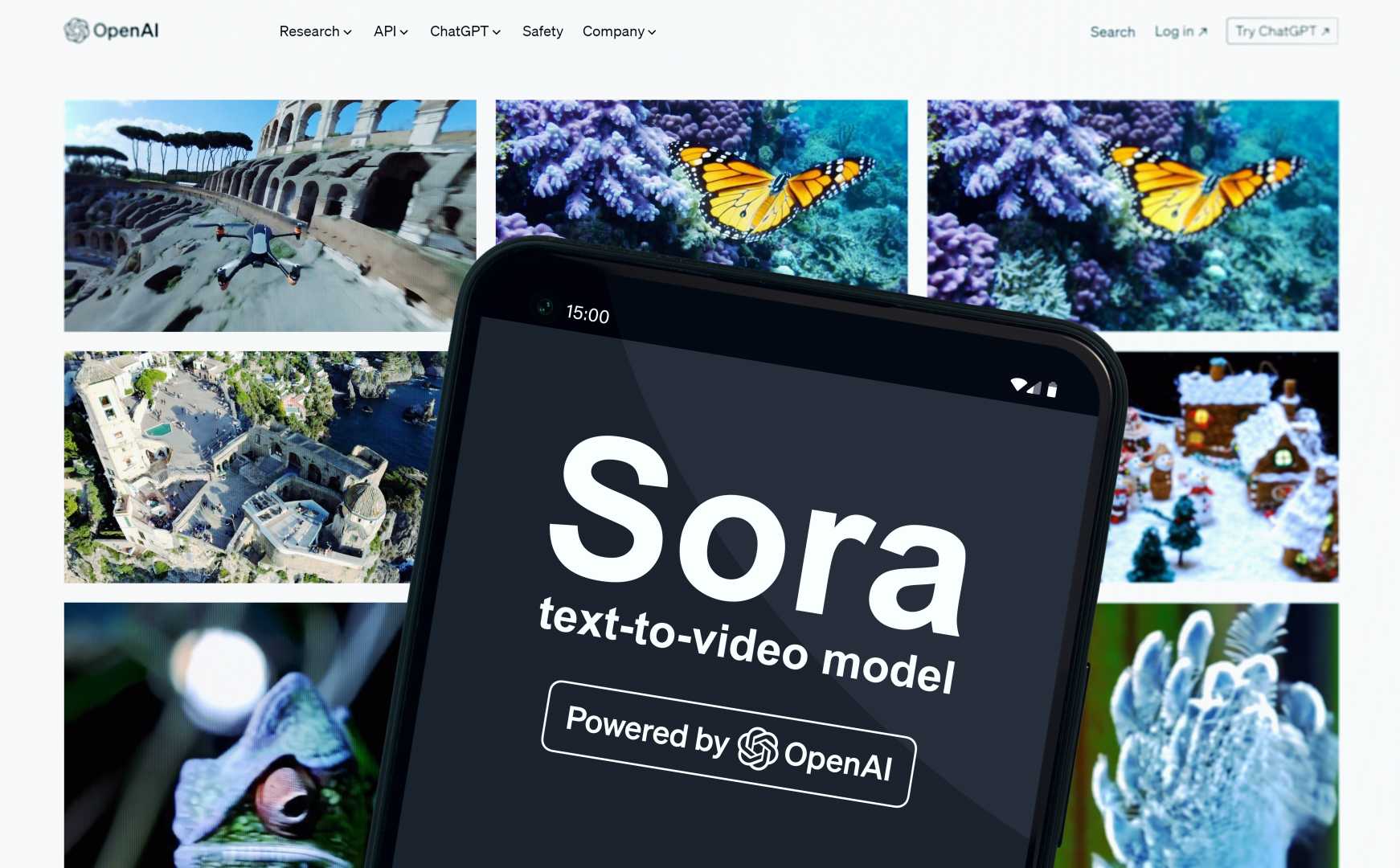
San Francisco, CA – OpenAI is launching a stand-alone app called Sora 2, designed for its video generation AI model. The app features a TikTok-like vertical video feed with swipe-to-scroll navigation, providing users with a platform solely for AI-generated content.
Users can create video clips up to 10 seconds long, according to documents reviewed by WIRED. The app includes a For You page powered by a recommendation algorithm, allowing users to like, comment, and remix videos. However, there is no option to upload existing videos or photos.
One distinct feature of the Sora 2 app is its identity verification system. This allows users to confirm their likeness, enabling them to utilize it in videos. Other users can tag them and use their likeness as well, generating notifications whenever it occurs, even if the video isn’t posted.
OpenAI began testing the app internally last week, receiving positive feedback from employees who have reportedly used it frequently, prompting some managers to express concerns over productivity.
Sources indicate that OpenAI sees Sora 2 as an opportunity to fundamentally change how users interact with AI-generated video. This follows the success of ChatGPT, which highlighted AI’s potential in text generation.
The app’s launch comes amid growing competition from tech giants like Meta and Google, who have also introduced their own video generation models. Meta recently unveiled a feature for AI-generated videos called Vibes, while Google announced ongoing improvements to its Veo 3 model for YouTube.
Despite its innovative features, Sora 2 faces potential challenges regarding copyright and child safety. OpenAI is currently involved in lawsuits concerning copyright infringements, while it is also under scrutiny for addressing youth safety concerns in its platforms.
OpenAI has yet to issue official comments about the app, but its plans for Sora 2 signal a significant shift toward a consumer-focused approach in AI technology.


