
World
Trump’s Pardon Promise Influences Honduran Presidential Vote

TEGUCIGALPA, Honduras — Two conservative candidates are neck-and-neck in the Honduran presidential election, with preliminary results showing Nasry (Tito) Asfura of the National Party at 40 percent and Salvador Nasralla of the Liberal Party at about 39.78 percent. Rixi Moncada of the LIBRE party follows with 19.49 percent of the vote counted early Monday.
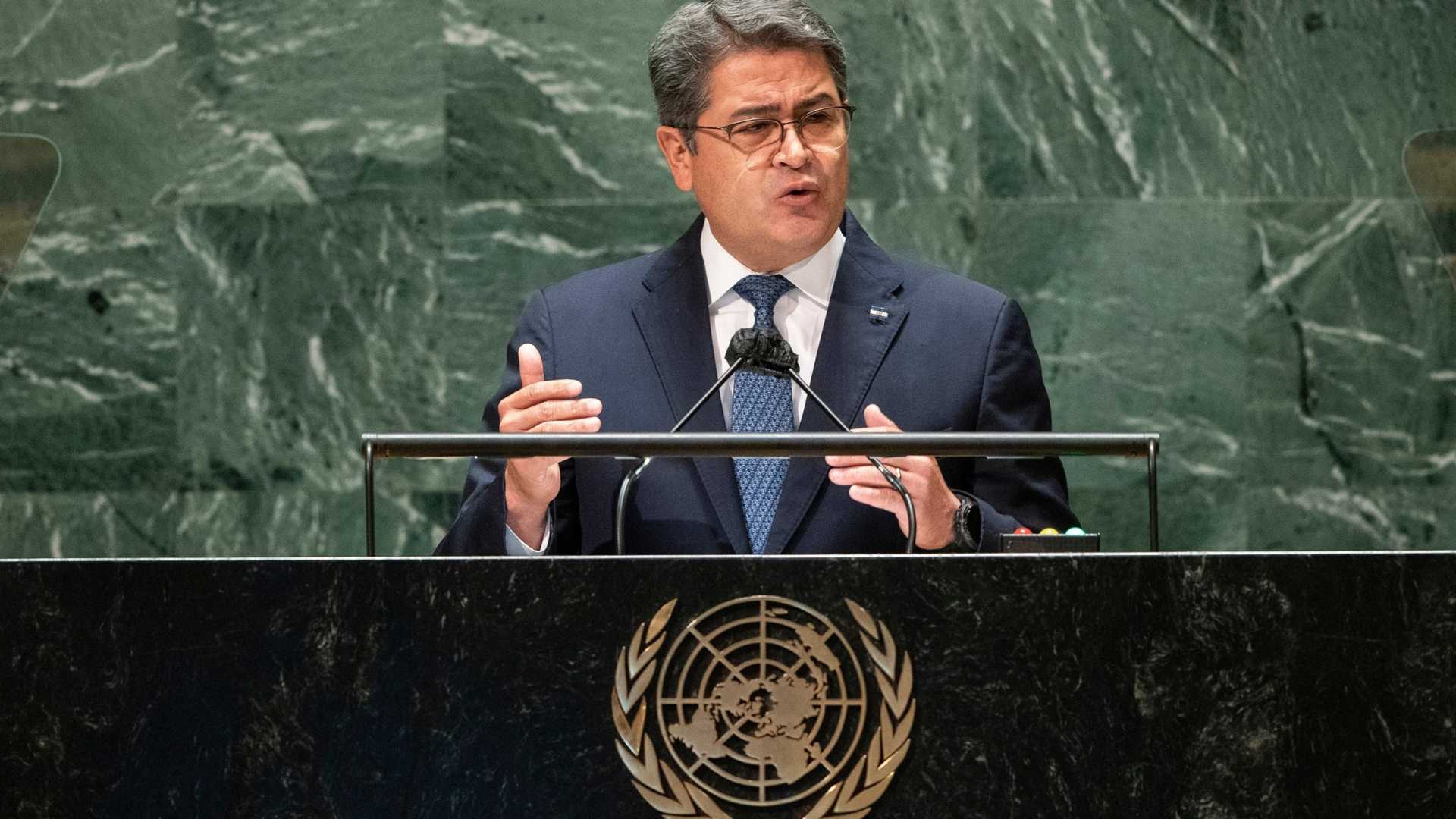
The election unfolded just days after U.S. President Donald Trump endorsed Asfura and promised to pardon former president Juan Orlando Hernández, who is currently serving a 45-year sentence in a U.S. prison for drug trafficking.
With about 55 percent of polling places reporting, both Asfura and Nasralla emphasized that it was too early to declare victory. Despite initial excitement at party headquarters, the streets of Tegucigalpa were quiet as the slow count progressed.
Asfura, a 67-year-old former mayor, highlighted his infrastructure projects during his campaign. Meanwhile, 72-year-old Nasralla, who has previously run for president and allied with current President Xiomara Castro, expressed hope that remaining ballots would favor him.
While Trump endorsed Asfura, he criticized the leadership of Moncada and Nasralla, stating on social media that he could not work with them. He termed Hernández’s prosecution as harsh and unfair, claiming people he respects had told him so.
This endorsement stirred controversy, particularly from Democrats. Virginia Senator Tim Kaine condemned Trump’s decision to pardon Hernández, referencing him as the leader of a significant criminal organization. Kaine remarked that the pardon indicated Trump’s disregard for narcotrafficking issues.
Political analyst Oliver Erazo believes Trump’s involvement might not greatly influence voter decisions, citing the electorate’s predefined social behavior. The Honduran populace faces significant economic challenges, with six out of ten citizens living in poverty.
Honduras has a history of political turmoil, including a coup in 2009 that ousted former president Manuel Zelaya. In the wake of Hernández’s presidency, there were accusations of election fraud, and last year saw the election of Castro, marking a shift in political power in the nation.
As the vote counting continues, Moncada expressed that she would not accept preliminary results due to alleged manipulation. Concerns over election integrity remain prevalent, and U.S. officials, including Deputy Secretary of State Christopher Landau, warned against undermining democracy in Honduras.
In the midst of these tensions, many citizens, including 30-year-old nurse Melany Martínez, voiced their frustrations regarding external influences in the election process. With ongoing concerns about security and economic stability, voters are anxious about the future of their country.


