
News
Canadian Actress Claire Brosseau Advocates for Assisted Suicide Amid Mental Health Struggles

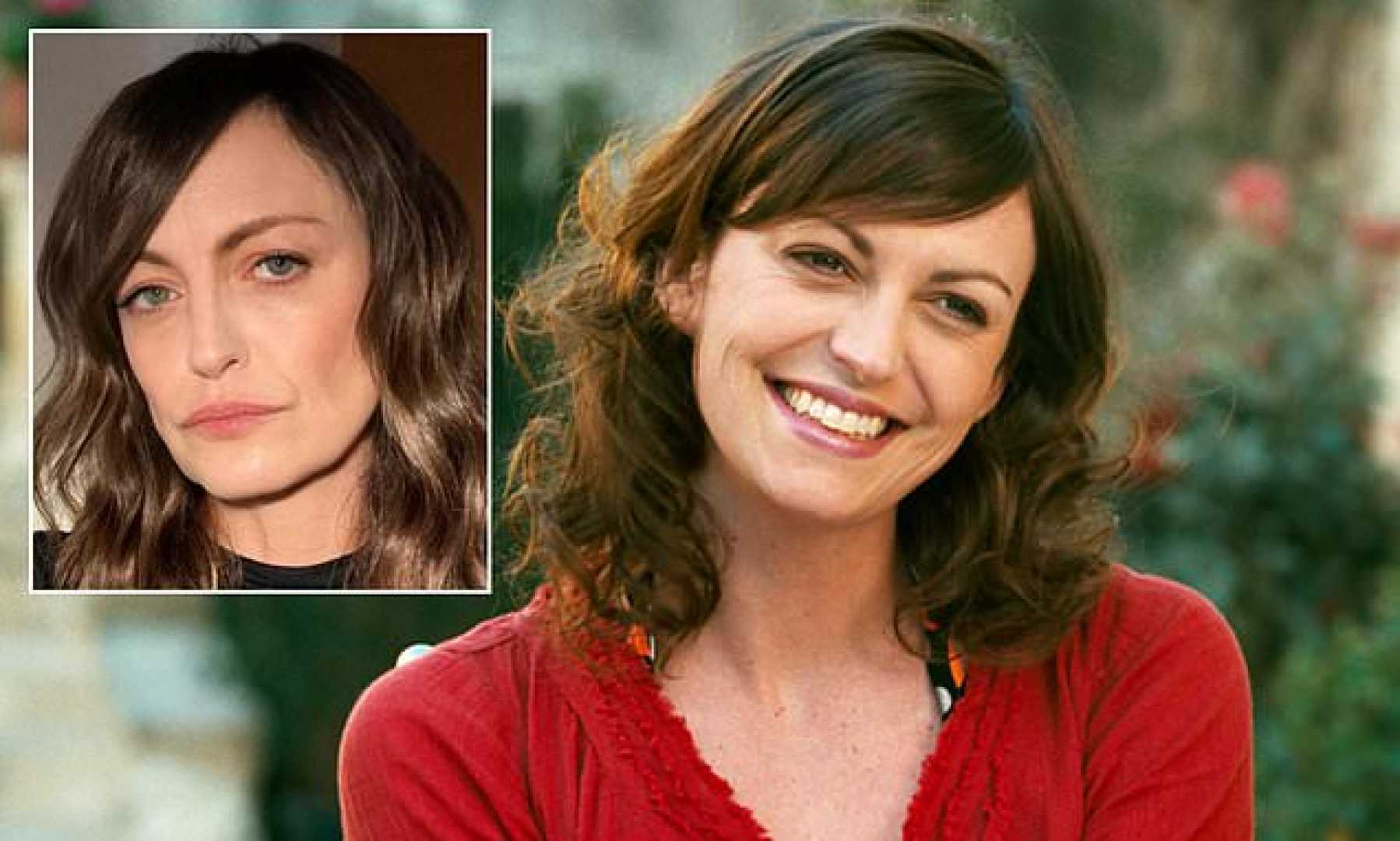
Toronto, Canada – Claire Brosseau, a 48-year-old Canadian actress and comedienne, has announced her intention to pursue assisted suicide under the country’s Medical Aid in Dying (MAiD) program due to her battle with severe mental health issues. Brosseau, who has struggled with various conditions since her teenage years, revealed her plans in a heartfelt open letter published earlier this year.
Brosseau was first diagnosed with manic depression at age 14. Over the years, her mental health issues have expanded to include anxiety, chronic suicidal ideation, personality disorders, and more. Despite countless therapeutic attempts and medications, she has found little relief, leading her to contemplate ending her life.
In 2021, Brosseau applied for MAiD, believing it would soon include mental health patients. However, current rules exclude individuals with chronic mental health conditions from eligibility. The anticipated change to the law, initially expected in March 2023, has faced delays and may not occur until 2027.
Brosseau has since filed a lawsuit against the Ontario government, claiming that the exclusion violates her rights. In her lawsuit, she argues that individuals suffering from mental illnesses deserve the same options as those with incurable physical ailments.
Throughout her acting career, Brosseau earned notable roles in both TV and film, including appearances on popular Canadian shows like Entertainment Tonight Canada. Despite her professional success, she has described the toll her mental health struggles have taken, recounting distressing experiences during filming.
Following a severe episode related to substance abuse in 2016, Brosseau committed to sobriety and began intensive treatment. Her condition fluctuated; while she experienced periods of remission, she ultimately faced an alarming decline that prompted her recent decision.
The issue of assisted suicide has sparked national debate in Canada, especially in light of Brosseau’s case, which pits her desire for autonomy against differing opinions in the psychiatric community. Some of her psychiatrists support her choice, while others advocate for alternative treatments, arguing that her condition may allow for recovery.
As discussions continue around mental health and MAiD, Brosseau’s story highlights the urgent need to address complex issues of suffering, dignity, and choice.


