
News
Texas Families Sue to Block Ten Commandments Displays in Schools

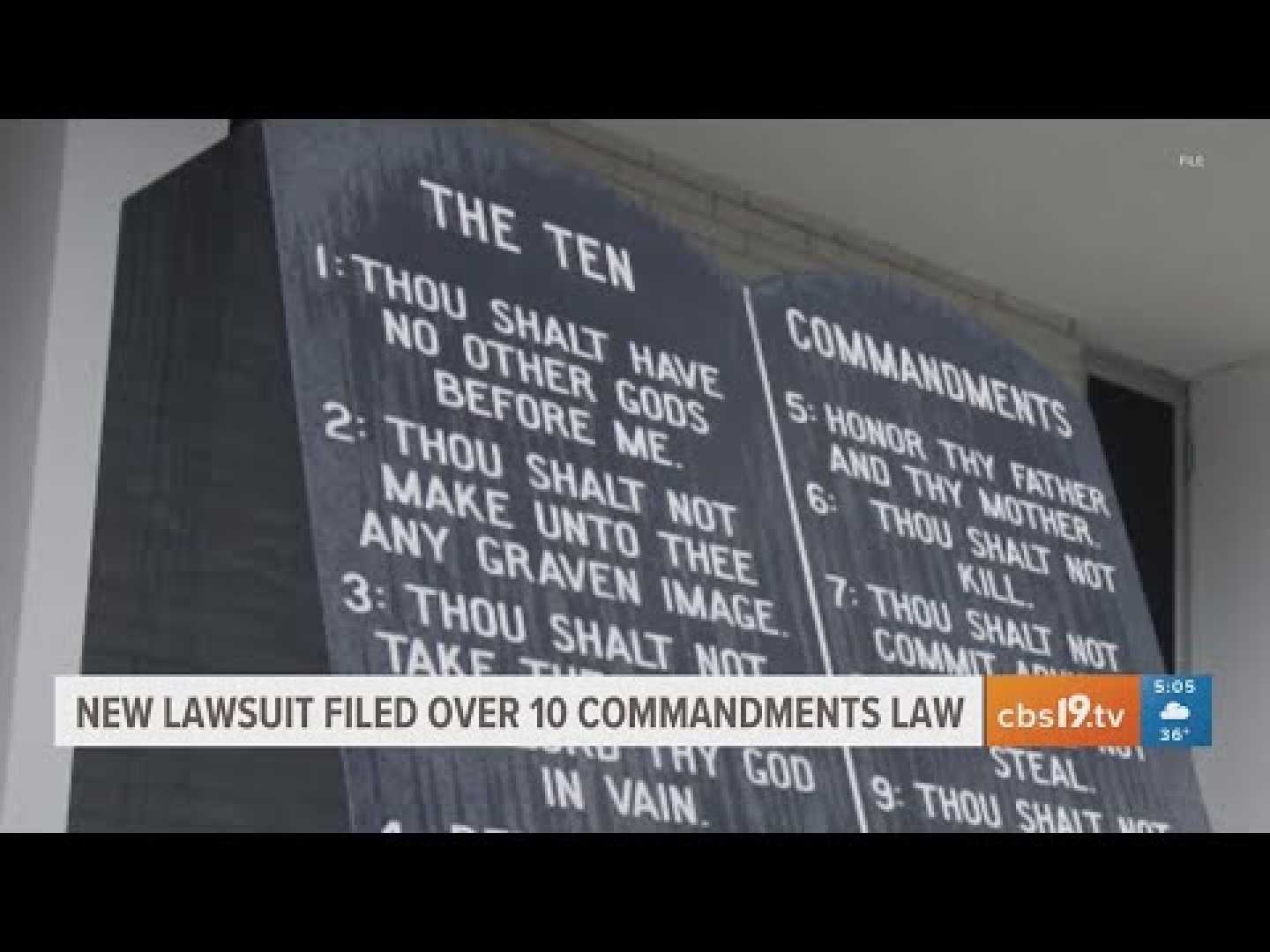
AUSTIN, Texas — A group of Texas families filed a class action lawsuit on Tuesday seeking to stop all Texas school districts from displaying the Ten Commandments in classrooms. This lawsuit challenges a state law that became effective in September, which mandates the display of these religious texts in public school classrooms.
The lawsuit, brought by 18 multifaith and non-religious families, aims to extend previous rulings where two federal judges deemed the law unconstitutional. They previously blocked 25 school districts from implementing the requirement based on concerns regarding the First Amendment.
The Texas Attorney General, Ken Paxton, has attempted to enforce this law, and has even sued some school districts for failing to comply. Families in the latest legal challenge want to prevent any Texas school district not already involved in litigation from displaying the posters.
Briana Pascual-Clement, a plaintiff and parent in the Prosper Independent School District, shared her concerns about the potential impact on her children. She stated, “The posters convey to my children, who are already told they are ‘not real Christians’ because they are Mormon, that they are outsiders in their school community.”
Since the law’s implementation, federal judges have pointed out that it violates the First Amendment’s establishment and free exercise clauses, which prohibit government endorsement of religion and protect individual religious practices.
U.S. District Judge Orlando Garcia highlighted the impracticality of protecting plaintiffs from religious displays without intervening against the enforcement of the law. He directed specific school districts to remove any Ten Commandments posters by Dec. 1.
The most recent lawsuit targets 16 additional school districts in North Texas, including Carroll, Prosper, and Richardson ISDs. Advocates of the law claim it reflects the historical significance of Christianity in the nation, stating that it promotes moral clarity among students.
Paxton argued that the law does not coerce schools to incorporate the displays into educational activities and emphasized that such posters are considered passive displays, provided they are donated rather than purchased.
Notably, in previous rulings, federal judges have blocked the law for certain districts, arguing that mandating religious displays in public schools may be unconstitutional.
Supporters of the displays assert that Christianity holds an essential role in American history. Judges’ decisions regarding this matter and the plurality of views in Texas public schools indicate ongoing contention.
The latest lawsuit reflects a growing pushback against the law, with the outcome potentially affecting full policy across Texas schools.


