
News
Winter Storm Bellamy Weakens as Nor’easter Approaches

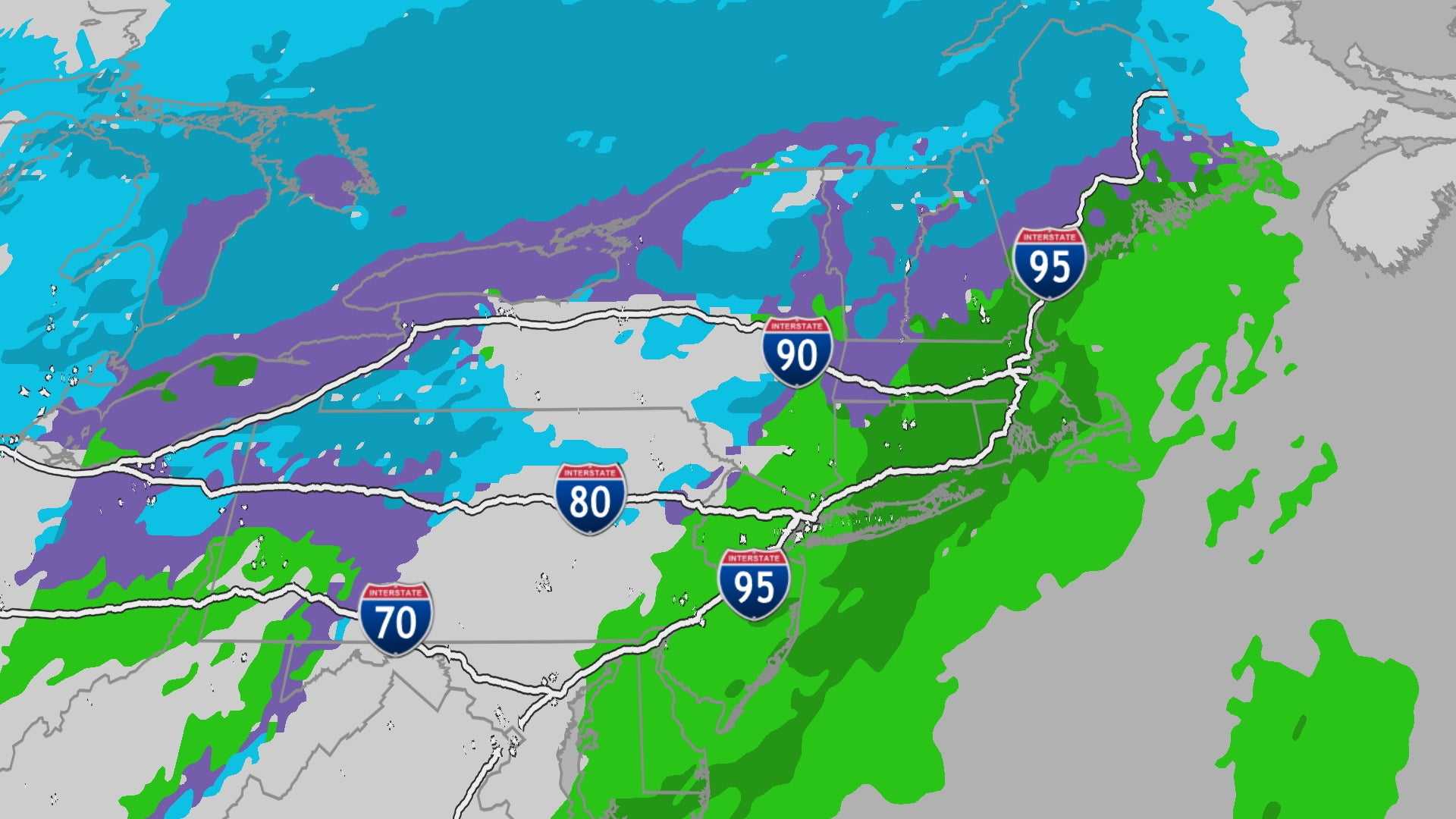
Chicago, IL — Winter Storm Bellamy, which dumped up to a foot of snow across the Midwest and Great Lakes, is weakening as it shifts into Ontario. The storm left millions grappling with challenging conditions from Kansas to Michigan.
On Tuesday night, a new threat looms as a Nor’easter is set to develop, meeting bombogenesis criteria, according to meteorologists. This signifies a significant drop in atmospheric pressure, potentially leading to intense winter weather across the Northeast U.S. and Atlantic Canada.
Blizzard conditions are expected to hit areas like Nova Scotia and Newfoundland, with forecasts suggesting snowfall could reach between two to three feet. The storm, building in intensity, is anticipated to cause hazardous travel conditions due to whiteout conditions.
Satellite images captured over the weekend showed the vast expanse of Winter Storm Bellamy over the United States, with over a foot of snow accumulating in some locations from Iowa to Illinois. The storm’s impact has been felt by millions, forcing travel disruptions and dangerous driving conditions.
The unusual early intensity of this winter season arises from the disruption of the Polar Vortex. This phenomenon facilitates the movement of Arctic air masses into mid-latitude regions, triggering cold waves and snowstorms across the continent.
As warm, moist air from the Gulf collides with cold Arctic air behind Bellamy, it may lead to a new cyclogenesis along the East Coast. This clash is expected to ramp up the storm’s intensity as it pushes further into the Northeast on Wednesday.
With the rapid development of the surface low, meteorologists are closely monitoring the situation. Anticipated wind gusts are projected to reach between 80 and 90 mph, particularly in Newfoundland, where heavy snowfall will exacerbate the already dangerous conditions.
Travelers are urged to prepare for significant disruptions throughout the region, especially as this storm could morph into one of the season’s first major Nor’easters. The combination of extreme snowfall, high winds, and plummeting temperatures is expected to create life-threatening conditions.
Weather models are consistent in indicating that these significant weather patterns will continue to evolve throughout early December, with further cold air masses sweeping across the nation as winter advances.


