
Business
J.P. Morgan Adjusts December Rate Cut Predictions

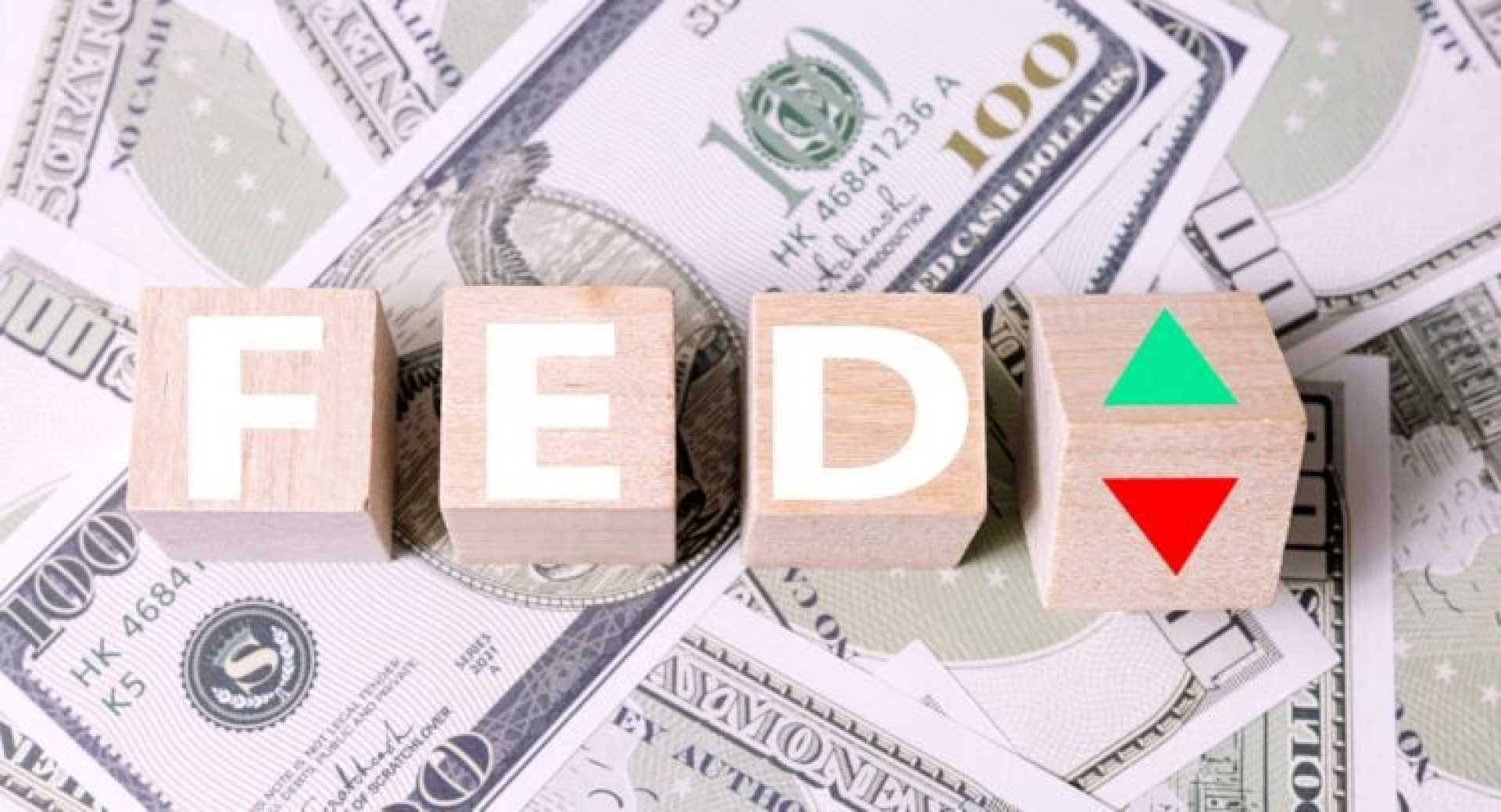
NEW YORK, NY — J.P. Morgan has revised its predictions for the U.S. Federal Reserve, now expecting a 25-basis-point interest rate cut during December’s meeting. This update marks a shift from their earlier forecast that policymakers would keep rates unchanged until January.
The change follows comments from key Fed officials, particularly New York Fed President John Williams. Williams indicated that the Fed might consider a rate cut sooner rather than later, providing signals about its potential actions to the markets.
In a note dated November 26, J.P. Morgan’s chief U.S. economist Michael Feroli stated, “While the next FOMC meeting remains a close call, we now believe the latest round of Fedspeak tilts the odds toward the Committee deciding to cut rates in two weeks from today.”
Goldman Sachs also weighed in, suggesting that the September jobs report may have solidified expectations for a cut. They emphasized that with no major data releases before the FOMC meeting on December 9-10, the likelihood of an interest rate reduction has increased.
Traders are pricing in an approximately 85% chance of a quarter-point cut this December, according to the CME FedWatch tool, reflecting a significant increase from earlier this month when expectations were considerably lower.
Earlier in November, J.P. Morgan had withdrawn its prediction for a cut due to a government shutdown that delayed critical economic data. However, a recent rise in market sentiment around rate cuts suggests traders are adjusting rapidly to new information.
John Williams noted on Friday that the Fed’s current monetary policy is “modestly restrictive” yet indicates that there may still be room for a rate adjustment to align closer to neutral levels. This term refers to interest rates that neither stimulate nor restrain economic growth.
The Federal Open Market Committee is deeply divided on the issue of interest rates, with some members advocating for further cuts to support a softening labor market, while others prefer to maintain current levels to combat inflation.
The upcoming FOMC meeting will be critical, as data disruption from the recent government shutdown complicates the economic picture that policymakers must navigate.


