
Politics
Iran, U.S. Emphasize Diplomacy Amid Nuclear Deal Disputes

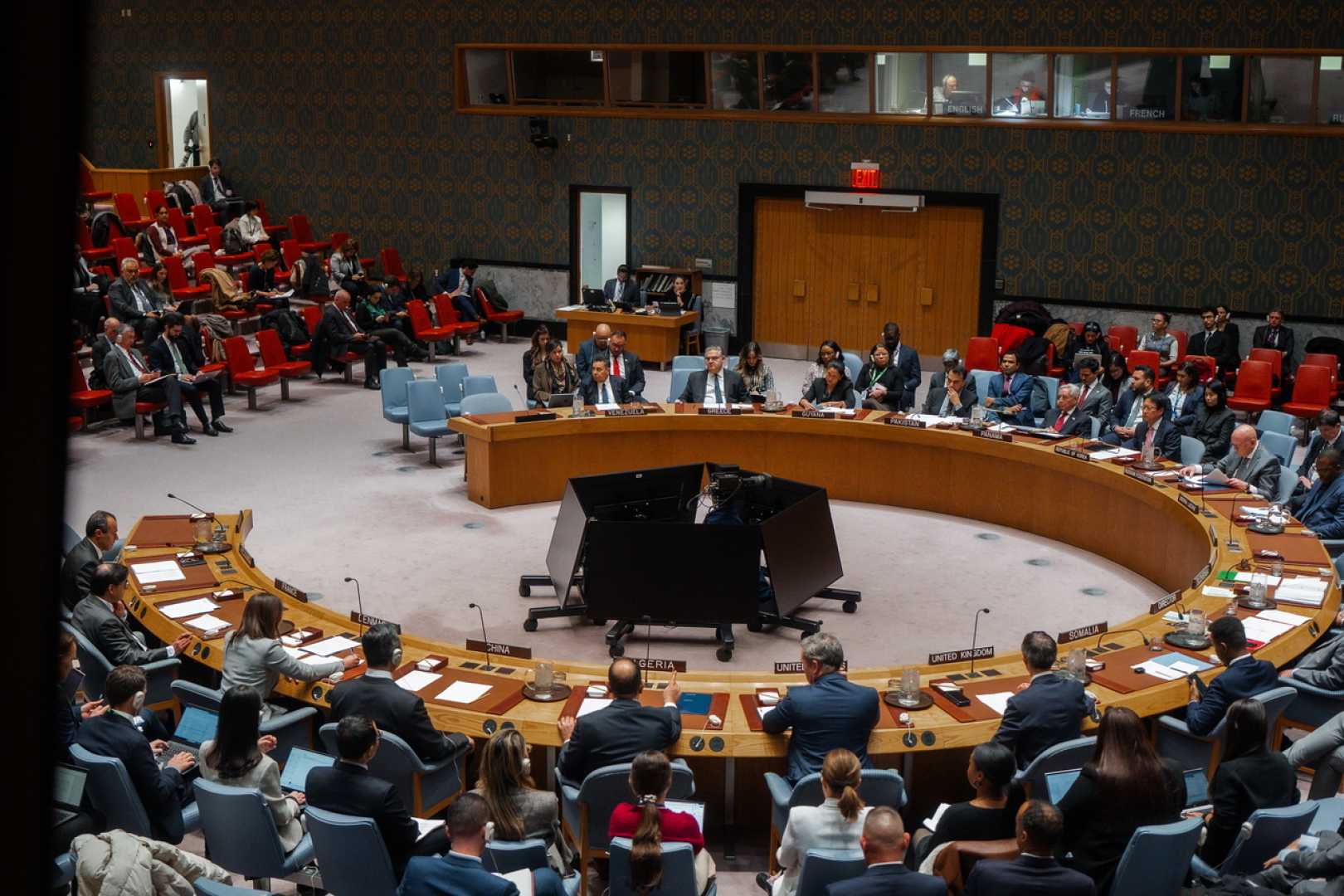
UNITED NATIONS — Iran and the United States reaffirmed their commitments to diplomacy during a tense meeting of the U.N. Security Council on December 23. Despite this reaffirmation, deep divisions on the nuclear deal remain between the Trump administration and the Islamic Republic.
The sixth round of negotiations, initially scheduled for June, was canceled after the U.S. conducted airstrikes on Iranian nuclear sites with Israel’s cooperation. Following this, the supreme leader of Iran, Ayatollah Ali Khamenei, declined any direct negotiations with the U.S. regarding its nuclear program.
Iran’s U.N. Ambassador Amir Saeid Iravani addressed the council, stating, “Iran remains fully committed to principled diplomacy and genuine negotiations.” He urged France, Britain, and the U.S. “to reverse course and take concrete, credible steps to restore trust and confidence.” Iravani emphasized that Iran maintains its commitment to the 2015 nuclear deal, which sought to limit Iran’s nuclear capabilities in exchange for sanctions relief.
In 2018, President Donald Trump withdrew the U.S. from the agreement with Iran and five other countries, leading to increasing tensions. U.S. Mission Counselor Morgan Ortagus reiterated that the United States is open to discussions, but “only if Tehran is prepared for direct and meaningful dialogue.”
Ortagus criticized Iran’s refusal to accept U.S. diplomatic efforts, indicating that the insistence on no enrichment of uranium within Iran contradicts the rights outlined in the 2015 agreement. Iravani responded that continued insistence on zero enrichment would destroy any chance for diplomacy.
As discussions progressed, Iran’s uranium enrichment levels have reportedly approached weapons-grade levels. The Vienna-based International Atomic Energy Agency disclosed that Iran has more than 440 kilograms of uranium enriched to 60%, just below the 90% needed for weapons-grade material.
The meeting highlighted a significant divide among Security Council members on Iran’s nuclear activities, with France, Britain, and Germany advocating for renewed sanctions while other members raised concerns about the legality of such measures. France’s Deputy U.N. Ambassador Jay Dharmadhikari noted that Iran has been in “increasingly flagrant violation” of nuclear restrictions.
This discord reflects broader geopolitical tensions and the complexities surrounding the future of Iran’s nuclear negotiations, which have remained at an impasse. The international community awaits further developments as all parties assess their next moves in a highly charged atmosphere.


