
Sports
Celebrating 80 Years of Integration in the GI World Series

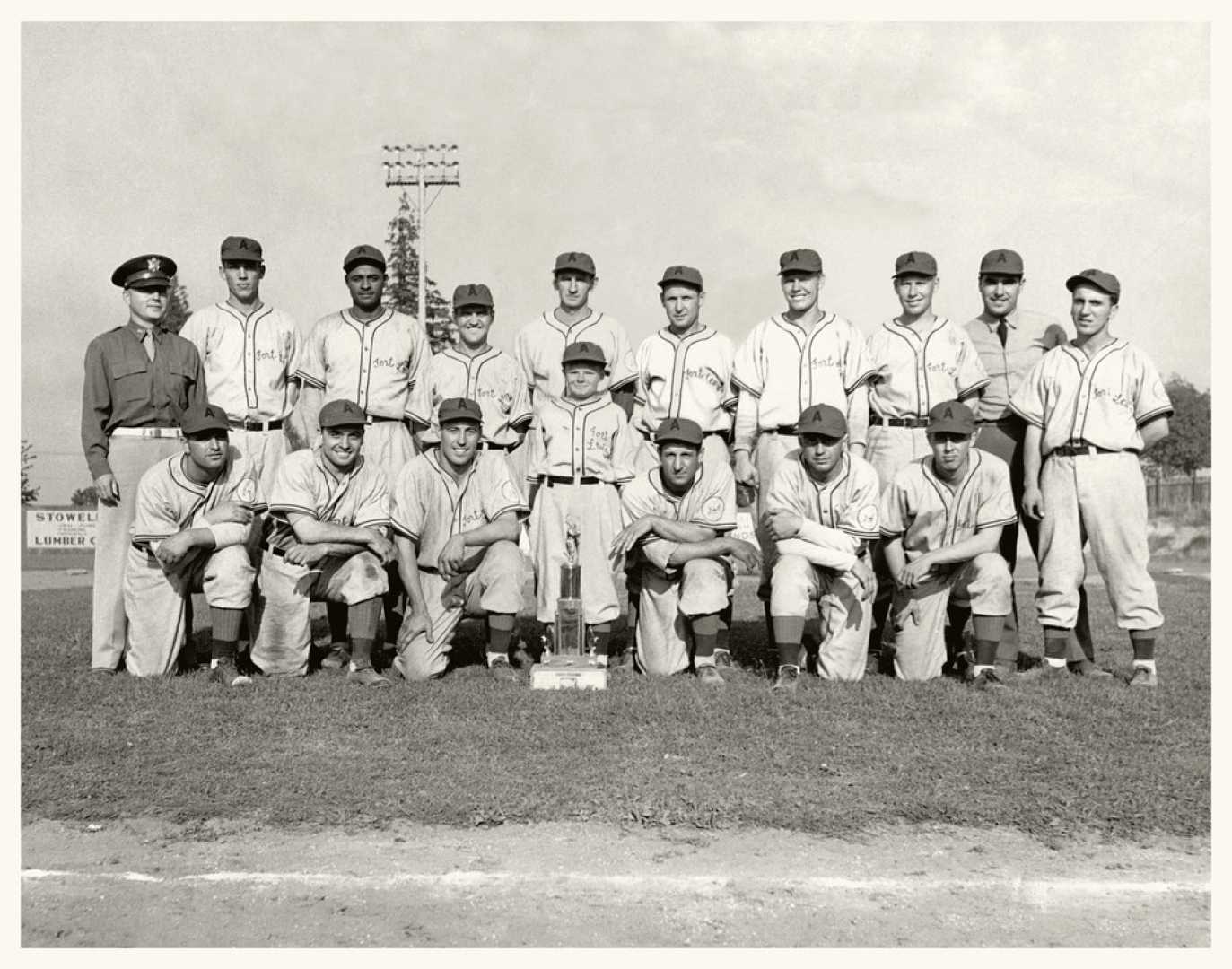
Nuremberg, Germany
In September 1945, an integrated baseball team competed in the GI World Series, showcasing a remarkable chapter in the sport’s history. This unprecedented event took place in the aftermath of World War II, when soldiers were entertained at a tournament in a stadium that once hosted Adolf Hitler’s rallies.
The team that made history featured two star players from the Negro Leagues: Leon Day and Willard Brown. Bob Kendrick, president of the Negro Leagues Museum, emphasized their significance, stating, ‘They are two legendary players who have not gotten their just due.’
While Jackie Robinson would break Major League Baseball’s color barrier in 1947, the Oise team, formed by Jewish pitcher Sam Nahem from Brooklyn, demonstrated that integration was not only possible but victorious. Historian John Rosengren noted the powerful symbolism of playing in a stadium famous for Nazi propaganda.
Sports historian Robert Weintraub explained that when Harry Walker, a star of the St. Louis Cardinals, was tasked with organizing the tournament, most teams remained white-only. ‘He was one of the worst ‘good old boys’ of the era,’ Elk remarked.
The Oise team, however, was unique. It included soldiers from various military branches and was diverse in its makeup. Nahem brought both major league experience and a commitment to anti-racism during a time when such views were rare.
As the series progressed, Day pitched and Brown’s hitting led the Oise team to victory. Kendrick remarked that it is likely they wouldn’t have won without their contributions. In the pivotal fifth game, Day was replaced by another pitcher who secured the championship.
In the weeks following the tournament, Brown and Day’s successes began to draw attention to their pivotal roles in pushing for integration in baseball. Despite their achievements, Day and Brown faced challenges in their post-war careers, with only Brown making it to the major leagues.
The story of their triumph is part of a larger narrative of integration in American sports and society, a crucial moment in history that merits recognition today.
The anniversary of the GI World Series has reignited interest in this remarkable event, as advocates for inclusion and representation in sports continue to push for justice and equality.


