Waxing Gibbous Moon Reveals Astronomical Wonders Tonight

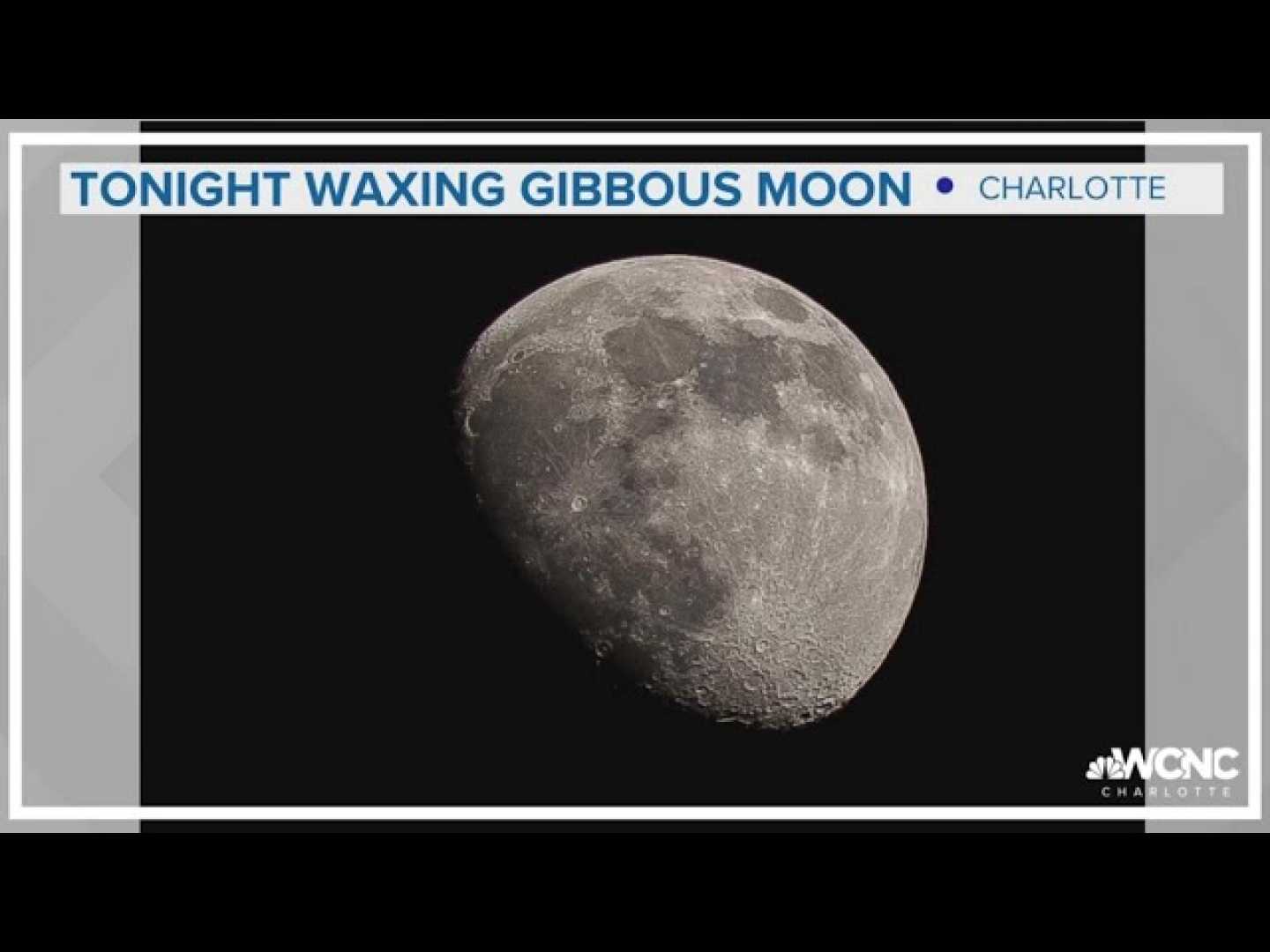
City, State/Country – The moon is nearly full with a Waxing Gibbous phase at 98% illumination tonight, November 4, 2025. Though not fully illuminated, plenty is visible for stargazers, especially around peak times.
Tonight’s moon features prominent craters visible without telescopes, including Tycho, Copernicus, and Mare Crisium. For those with binoculars, Gassendi and Archimedes Craters are more apparent, while telescopes can also reveal Linne Crater, the Apollo 11 landing site, and the Fra Mauro Highlands.
The full moon arrives tomorrow, November 5, a day known for celebration among sky-watchers. The ongoing lunar cycle, averaging approximately 29.5 days, showcases the moon’s different phases created by the angles between the Sun, Moon, and Earth.
The eight primary moon phases include New Moon, Waxing Crescent, First Quarter, Waxing Gibbous, Full Moon, Waning Gibbous, Third Quarter, and Waning Crescent, each providing unique lunar views and experiences.
While the moon appears bright tomorrow, its full illumination will coincide with the peak of the South Taurid meteor shower, making for an exciting night for those looking skyward.
The South Taurids meteor shower, peaking on November 5, adds excitement during this period. Observers may witness about five meteors per hour emanating from the constellation Taurus, especially ideal from midnight until dawn. Fireballs may also appear, adding a dazzling display.
November’s full moon, known as the Beaver Moon, is significant as it marks the onset of winter preparations for beavers in North America. This moon phase illuminates the sky without fail, intertwining with deeper meanings rooted in Native American traditions.
So, grab your binoculars or telescope, and prepare for a celestial display as the Waxing Gibbous moon showcases its wonders tonight.