Scientists Explore Chernobyl Fungus for Space Radiation Shielding

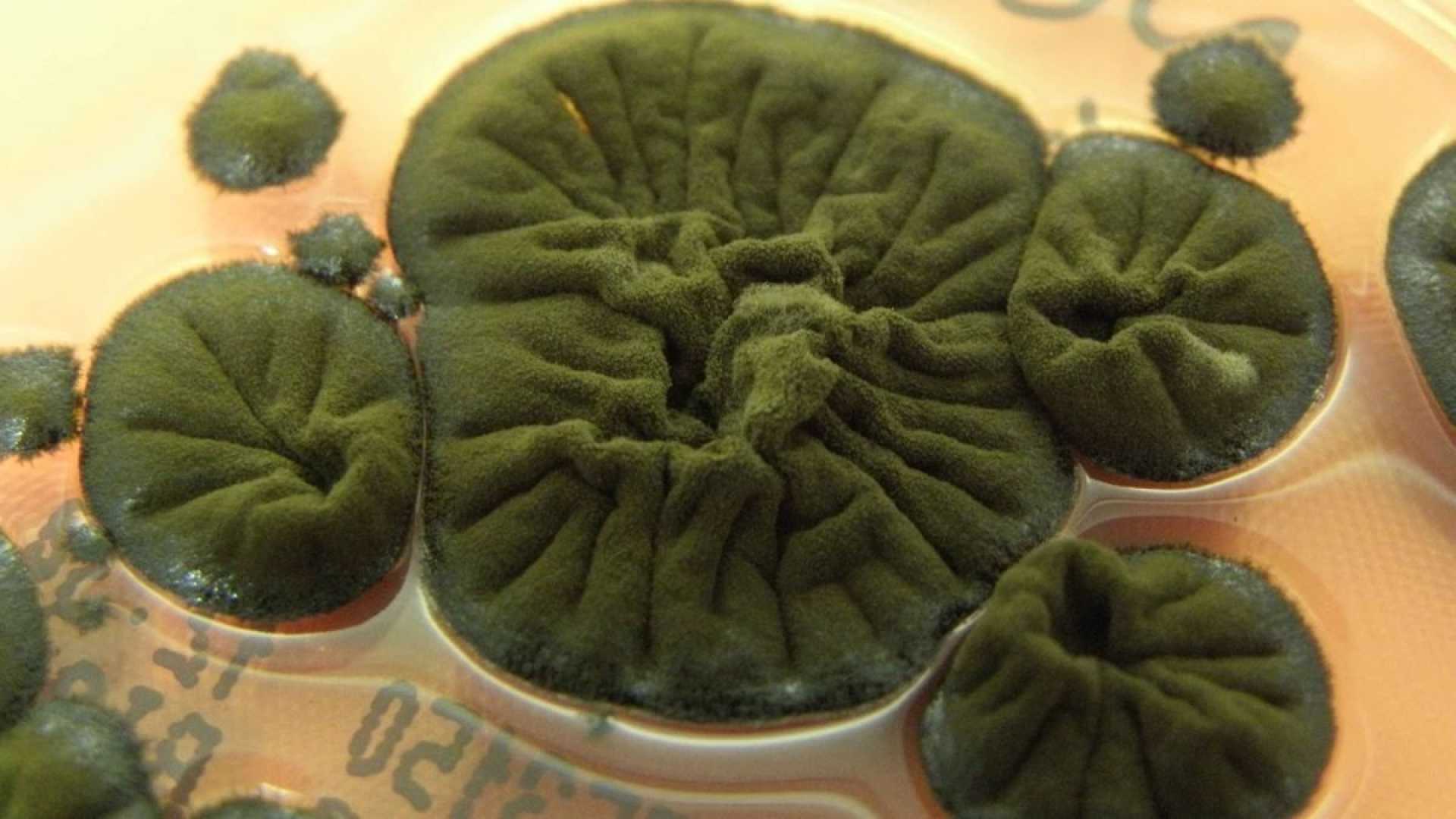
CHERNOBYL, Ukraine – Scientists are digging deeper into a remarkable fungus found thriving in the ruins of the Chernobyl Nuclear Power Plant, hoping to harness its unique properties for future space exploration.
Cladosporium sphaerospermum, a black fungus rich in melanin, may be able to utilize ionizing radiation as an energy source, a concept known as radiosynthesis. This theory suggests that the fungus absorbs radiation similar to how plants use sunlight for photosynthesis.
Research dating back to the late 1990s revealed that this fungus not only survives in high-radiation environments but grows even better in those conditions. Researchers led by microbiologist Nelli Zhdanova noticed a diverse community of fungi in Chernobyl, many with high melanin content.
In a groundbreaking study, radiopharmacologist Ekaterina Dadachova and immunologist Arturo Casadevall exposed Cladosporium to various radiation levels. They found that the fungus exhibited increased growth rates and enhanced melanin properties when subjected to radiation, suggesting adaptability.
The excitement surrounding C. sphaerospermum has grown following recent studies showing that fungal melanin can protect plastics from cosmic radiation, giving credence to its potential applications in building lunar bases or Mars habitats. In 2018, scientists tested the fungus on the International Space Station with promising results that indicated it could provide a biological shield against radiation.
Despite the interest, scientists caution that a complete understanding of radiosynthesis has yet to be achieved, with many questions still surrounding the exact mechanisms at play. “Radiosynthesis remains to be shown conclusively,” engineer Nils Averesch noted, highlighting the gap in current knowledge.
As research continues, Cladosporium sphaerospermum stands out as part of a larger exploration into how life can adapt and thrive under extreme conditions, potentially playing a critical role in humanity’s quest for sustainable living beyond Earth.