
News
Canadian Urban Agriculture Policy Faces Challenges Despite Growing Interest

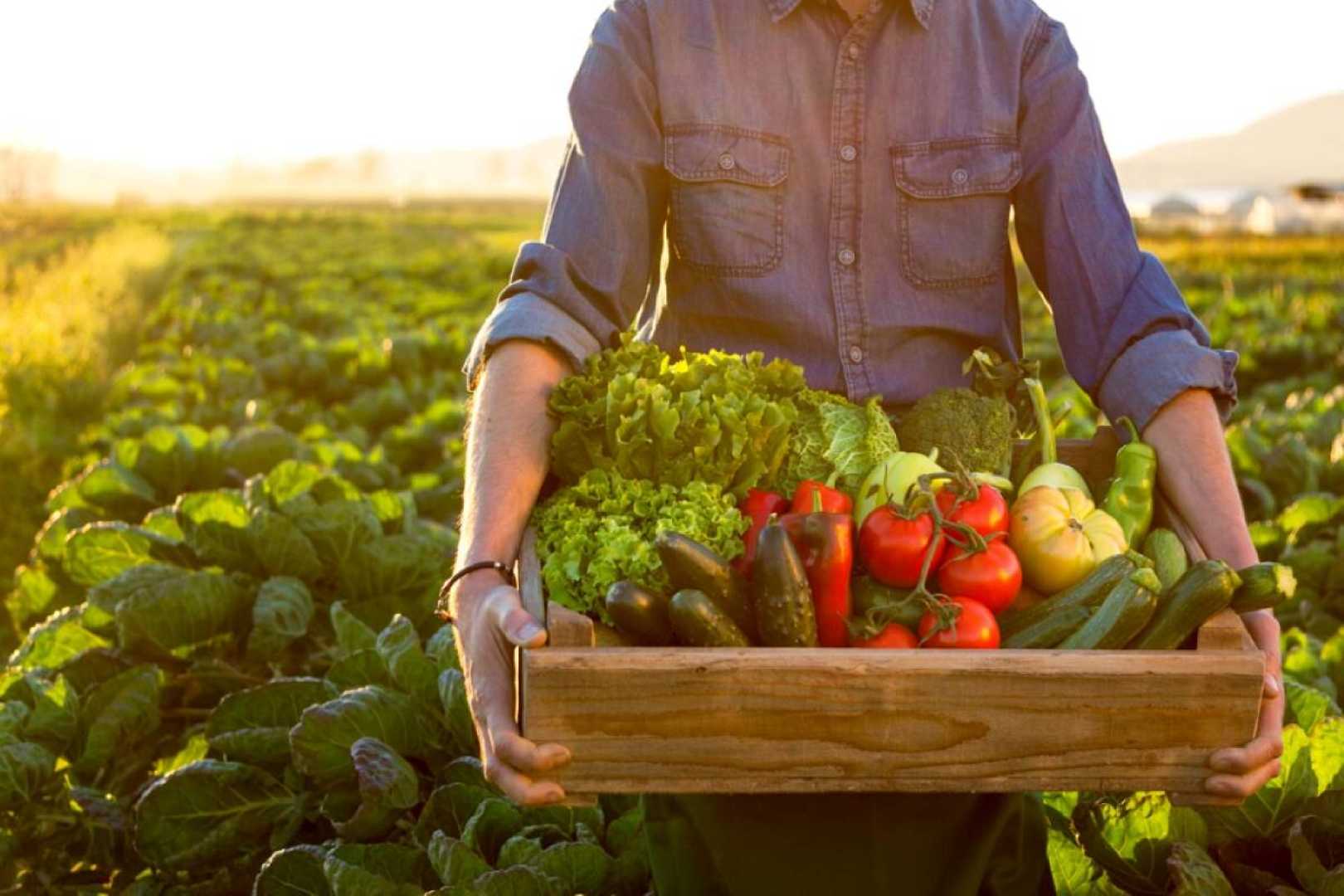
London, Ontario – Canadians are facing rising food prices, with estimates suggesting a family of four will spend up to $801 more on groceries this year. In response to these increasing costs, more people are turning to urban agriculture. A 2022 national survey found that over half of Canadians have been growing their own fruits or vegetables, with many initiating this during the COVID-19 pandemic.
Municipal governments in Canada have recognized this trend and are developing strategies for urban agriculture, aiming to create more green spaces, improve access to fresh food, and strengthen community resilience. A study published in the Journal of Agriculture, Food Systems, and Community Development examines the effectiveness of these initiatives, particularly focusing on London’s first stand-alone Urban Agriculture Strategy established in 2017.
This strategy was initially an optimistic sign for urban agriculture, but researchers found that many of its goals remain unmet eight years later. Interviews and workshops with 56 urban growers, community organizations, and city staff highlighted how a lack of clear leadership, resources, and follow-through can stall promising strategies.
Urban agriculture includes various practices, from backyard gardens to community farms. These activities have been linked to improved mental health, enhanced social connections, and better access to fresh foods, especially benefiting low-income families, immigrants, and seniors.
The demand for local food in London surged during the pandemic, and the London Food Bank reported a 92% increase in demand from 2021 to 2023. Community gardens are also facing long waiting lists. Despite this interest, the effectiveness of city policies in supporting urban agriculture remains in question. Some participants in the study noted that the strategy helped “put food on the agenda” at city hall but found that many community members were unaware of its existence or uncertain about its impacts.
Research showed that about one-third of those interviewed had never heard of the urban agriculture strategy. Others viewed it as a positive start but criticized the lack of dedicated funding and staffing to carry out its goals. Responsibility for the strategy was divided across various city departments without centralized tracking of progress.
Urban growers reported challenges, including unclear zoning laws and a scarcity of land for long-term gardening projects. Many organizations and volunteers are striving to address the local food need amid rising demand and limited financial support.
This situation reflects trends seen in other cities across Canada and the United States, where local enthusiasm for urban agriculture often outpaces institutional support. The findings emphasize that while urban agriculture can provide public value, municipalities need to commit to better implementation and consider food growing as essential urban infrastructure.


