
Sports
Federal Indictments Link Trail Blazers Coach to Illegal Poker Conspiracy

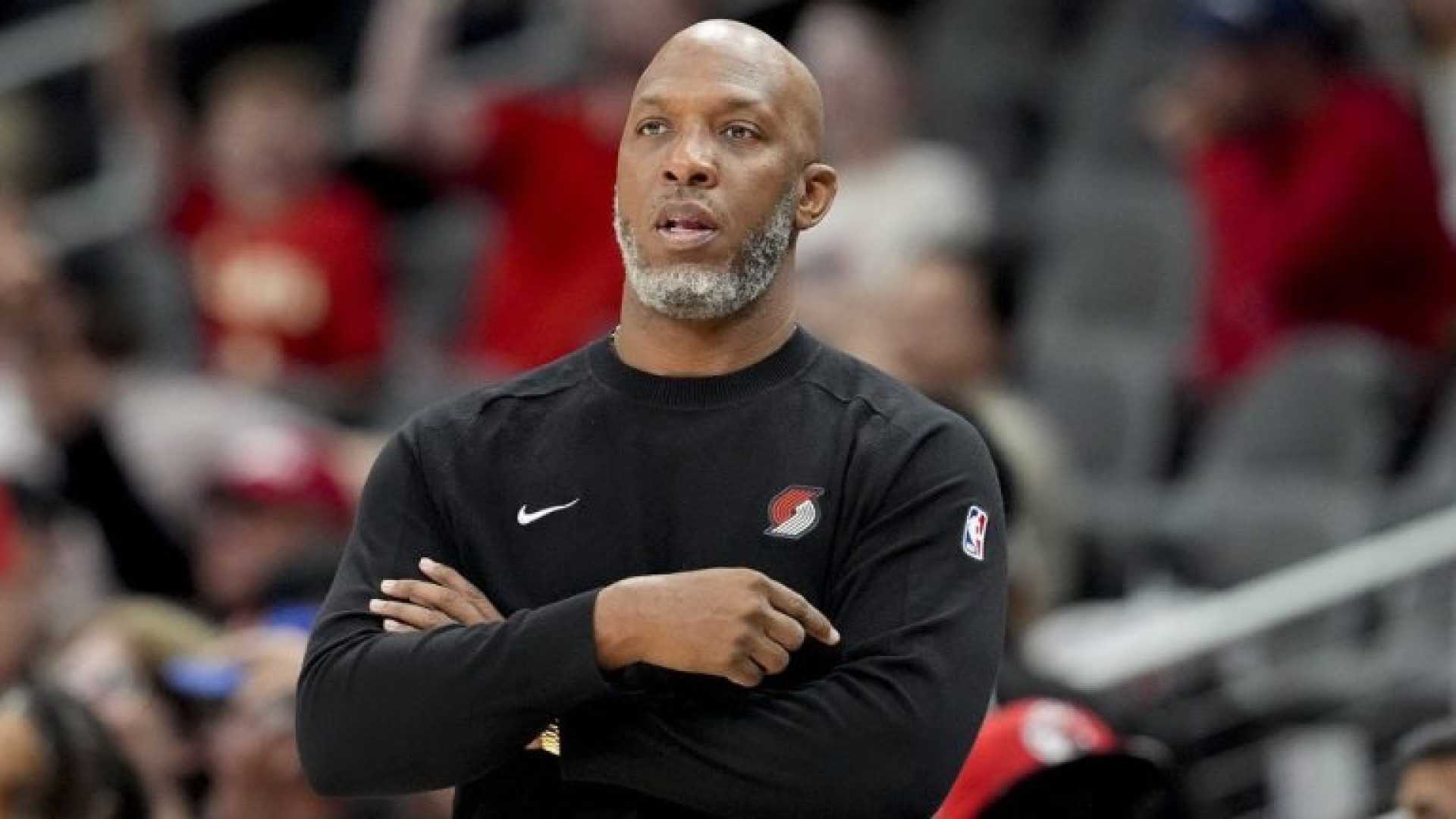
PORTLAND, Oregon — Federal indictments have emerged involving Chauncey Billups, the head coach of the Portland Trail Blazers, centering around alleged involvement in illegal poker games and a point-shaving scheme. Billups, 49, is named in one of the indictments connected to a poker operation with ties to organized crime.
The indictment mentions Billups only twice, indicating that he played an undisclosed number of poker games in Las Vegas. He is not named as a defendant in the second indictment regarding point-shaving but the description of a co-conspirator aligns closely with his profile. These point-shaving operations typically involve players intentionally underperforming to benefit specific gambling outcomes.
The cases have raised questions about “prop bets,” where wagers are placed on individual players instead of overall game outcomes. Allegedly, Billups may have informed gamblers about players sitting out a specific game between the Bulls and the Blazers, in which $32,000 was wagered that the Bulls would win.
Legal experts suggest that the U.S. Department of Justice (DOJ) may face challenges proving that Billups knowingly participated in illegal activities. Ron Hoevet, a Portland defense attorney, commented, “They had better show that Chauncey Billups knew the games were rigged.” Hoevet points out that enticing players to join does not automatically constitute a crime.
The DOJ claims that Billups acted as a “face card,” drawing high-stakes players into the rigged games primarily held in New York, with sessions also taking place in Las Vegas and Miami. These games allegedly involved substantial cheating, raising significant legal hurdles for the prosecution.
Meanwhile, concerns grow regarding the timeframe of the alleged activities. The poker games linked to Billups occurred in April 2019, nearing the end of the statute of limitations for many federal crimes. Furthermore, proving that he committed fraud will also be a significant challenge.
The financial stakes could be severe for Billups if he is convicted, with potential prison sentences ranging from seven to nine years. The DOJ claims players were cheated out of $50,000 during the games, but the broader scheme allegedly amassed around $7.2 million.
Despite the serious allegations, Billups appears to have little financial motivation from his alleged involvement. He earned over $107 million during his NBA career and reportedly made $4.7 million last season as the Blazers’ coach.
Interestingly, the method of indictment has raised eyebrows. Authorities reportedly conducted a raid on Billups’ home without the typical prior coordination with his defense team, which is customary in federal cases. This deviation suggests potential irregularities in how the situation has been handled.
In addition to strategy, lawyers have noted that while mentioning defendants’ nicknames to garner publicity, the indictment lacked connections between Billups and known organized crime figures—an unusual omission given the context of the case.


