
Business
Raspberry Pi Prices Rise 20% Due to AI Demand for RAM

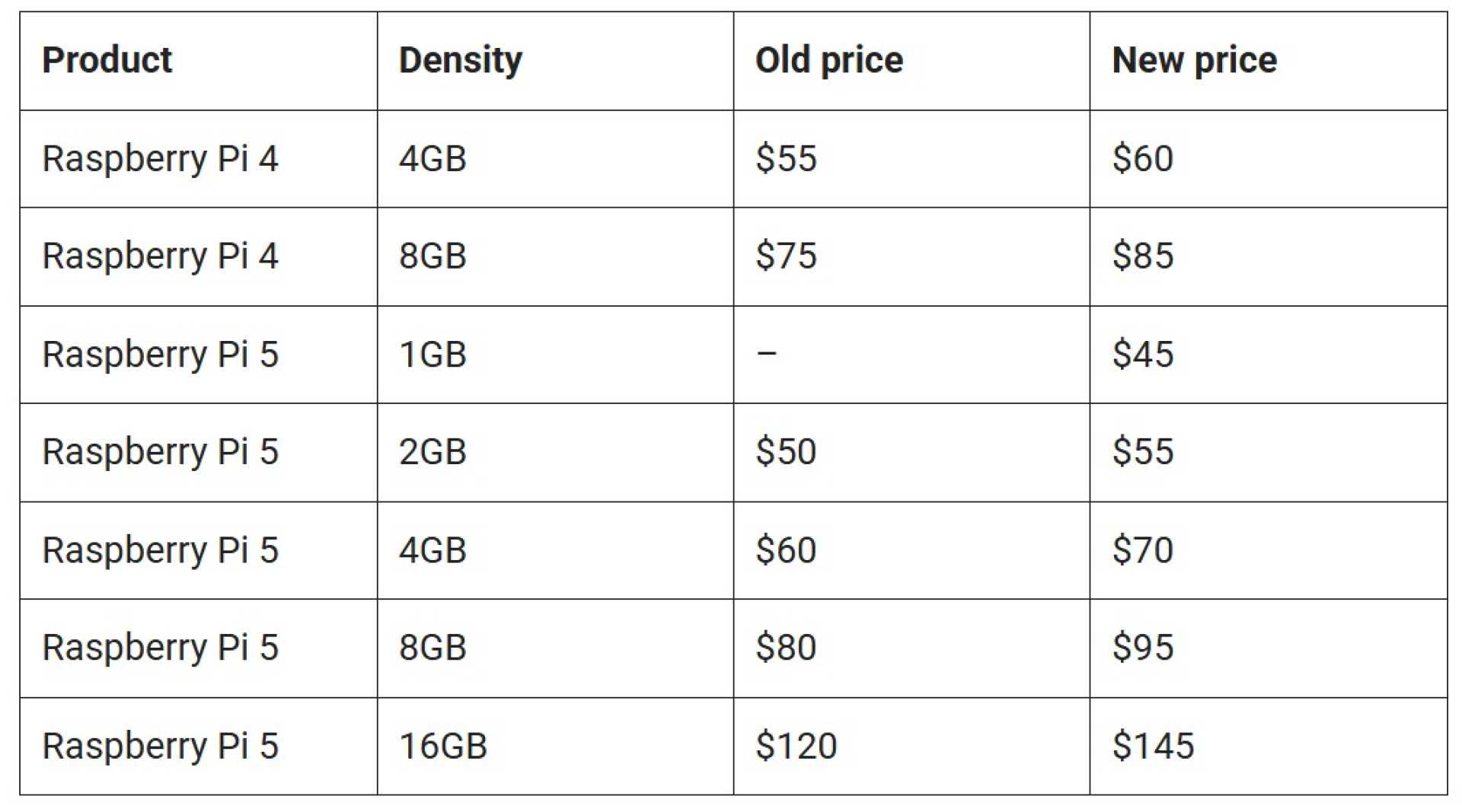
CAMBRIDGE, England — Raspberry Pi announced a significant price increase of up to 20% for its popular single-board computers, largely due to a surge in dynamic random-access memory (DRAM) costs driven by the growing demand for artificial intelligence (AI) applications.
The Raspberry Pi Foundation, known for making affordable computing accessible, cited rising memory prices as the main culprit behind the increase. CEO Eben Upton referenced the challenges in a blog post, stating that the foundation had absorbed cost increases as long as possible but can no longer avoid passing them on to consumers.
The new pricing affects various models, including the Raspberry Pi 5. For instance, the price for the 16GB version will rise from $120 to $145, while the 8GB model will see an increase from $80 to $100. Even the 4GB variant will now cost $65, up from $55.
Upton announced the launch of a new 1GB Raspberry Pi 5 model priced at $45, aiming to preserve affordability for budget-conscious users despite the overall price hikes. Analysts point out that the increased costs reflect broader supply chain pressures caused by AI firms’ skyrocketing demand for high-bandwidth memory, which has redirected production away from lower-end chips.
Industry experts have observed that the AI boom is not a temporary phase; rather, it represents a fundamental shift in demand trends. Companies like Samsung and Micron are prioritizing high-margin products, which detracts from the supply of LPDDR chips commonly used in low-cost devices like Raspberry Pi.
The challenges Raspberry Pi faces in securing affordable memory echo back to previous supply chain issues, like those experienced during the COVID-19 pandemic when the company temporarily raised prices in response to global chip shortages. Currently, the market dynamics appear more complex and are driven by a long-term rise in AI technology.
While the Raspberry Pi 5’s introduction of a lower-spec model may attract some buyers, the rising prices pose a significant challenge for educators and hobbyists who rely on affordable technology for learning and development projects. The broader implication is that rising RAM costs are likely to create barriers for entry-level users, particularly in developing regions.
As the tech community remains vigilant about pricing changes, some analysts predict that unless memory production increases can catch up with demand, Raspberry Pi and other hardware manufacturers may be compelled to adjust their product offerings and pricing strategies significantly. The AI boom’s impact on the tech industry signifies a crucial moment for affordable computing.


