
World
Fears of Russian Expansion Persist Despite Military Struggles

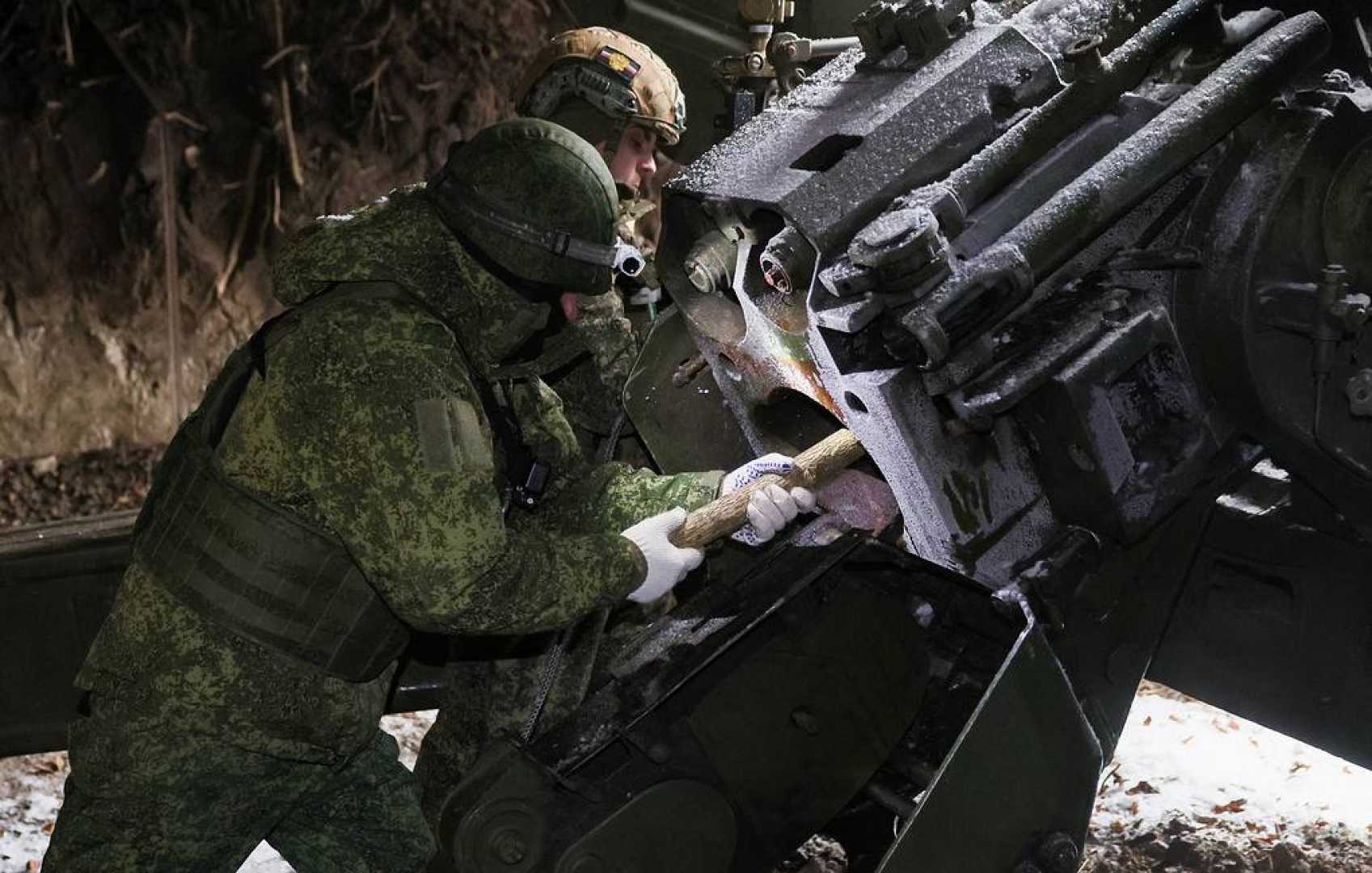
KYIV, Ukraine – Global concerns are mounting over Russia’s potential military ambitions following its ongoing conflict with Ukraine, particularly amid fears of an invasion of Belarus and potential aggression towards neighboring Latvia and Lithuania. As the war approaches its fourth year, the outcome for Ukraine remains fraught with uncertainty.
Despite Russia’s military failures and the inability to capture major Ukrainian cities like Kyiv, analysts note that fears linger regarding its future actions. Russia currently occupies only about 20% of Ukraine’s territory, with no decisive territorial gains in sight. Ukrainian military sources highlight that while they cannot force a Russian retreat, maintaining defensive positions is manageable.
Many observers express concern about Russia’s recruitment strategies, which have expanded to enlist soldiers from Afghanistan and other countries in exchange for financial incentives and citizenship. This reflects a desperate bid to strengthen its military ranks as it faces mounting casualties and a stagnant battlefield.
Military experts also point out Russia’s continued reliance on mercenaries and flawed strategies, including allegations of recruiting soldiers in their 40s and 50s. Furthermore, the infamous Wagner Group’s failed coup attempt signals internal vulnerabilities within the Russian military hierarchy.
Critics argue that Russia’s tactics—such as drone strikes—may overshadow its military inefficacies, especially with the proliferation of drone technology in various nations. Historical precedents indicate that bombings alone do not guarantee military success, as shown during World War II.
Despite ongoing operations, Russia’s military capability is questioned, with countless strategic losses. As military resources are stretched, the Kremlin’s unwillingness to end the conflict due to potential political repercussions highlights its diminished regional influence.
Furthermore, concerns linger about what territorial concessions to Russia might mean for wider European stability. Many analysts warn that ceding any Ukrainian territory could embolden further Russian aggressions, perpetuating a cycle of conflict.
As the war continues to reveal the frailties of Russia’s military strength, discussions about potential peace settlements become increasingly fraught. Historical analysis suggests that appeasement may not quell Russian ambitions but could foster a dangerous precedent for revisiting the imperial interests of the past.
Ultimately, the complex geopolitical landscape and Russia’s demonstrated vulnerabilities create a delicate balance that Ukraine and its allies must navigate carefully.


