
Politics
Public Criticism of Proposal to Extend Ghana’s Presidential Term

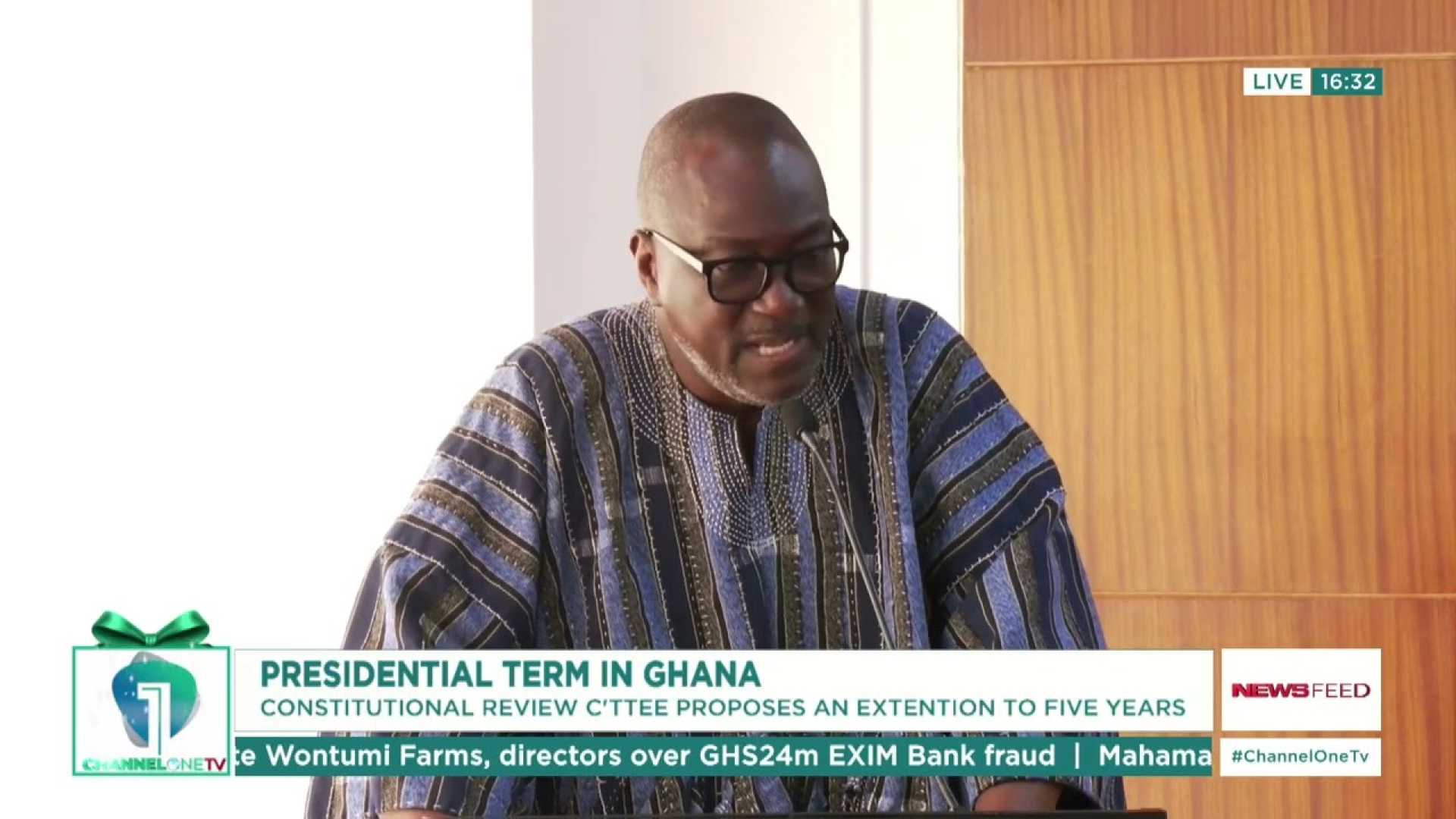
ACCRA, Ghana – Private legal practitioner Martin Kpebu has firmly opposed the Constitutional Review Committee’s recommendation to extend Ghana’s presidential term from four years to five. Kpebu called the proposal “unacceptable” in a Facebook post on December 22, 2025.
Kpebu argued that the existing four-year term provides adequate time for presidents to execute their policies while ensuring accountability through frequent elections. He stated, “Extending the 4-year term to a 5-year term is a NOT NOT,” highlighting his disagreement with the proposal.
The Constitutional Review Committee (CRC), chaired by Professor H. Kwasi Prempeh, presented its final report to President John Dramani Mahama on the same day at Jubilee House. The report includes various recommendations aimed at reforming Ghana’s 1992 Constitution, focusing on governance structures and the tenure of elected positions.
Kpebu expressed concern that extending the presidential term could weaken democratic oversight and undermine the electorate’s ability to hold leaders accountable. He urged both policymakers and citizens to prioritize regular electoral reviews in discussing constitutional reforms.
In addition to Kpebu’s criticism, Akim Swedru Member of Parliament Kennedy Nyarko Osei also opposed the term extension, comparing Ghana’s political evolution to that of the United States, which has maintained a four-year term for over 200 years. Osei questioned the necessity of a term extension when other successful democracies have thrived without it.
Professor Prempeh, during his report presentation, explained that the recommendation for a five-year term stems from concerns that the current tenure allows too little time for effective governance, often lost to administrative transitions and electoral campaigns. He added that the committee proposed regulating campaign seasons to facilitate more effective governance.
The report, while suggesting a shift to a five-year term, explicitly excludes the possibility of a third presidential term due to a lack of public demand for such an extension. Prempeh stated there was no substantial support for the proposal, including from President Mahama.
Osei emphasized the pressing issues of inefficiency and corruption, arguing that extending the presidential term is not a solution. “Stop the corruption, cut the waste, and respect time,” he said, asserting that the focus should be on integrity and productivity, not extending governance duration.
Furthermore, the CRC outlined extensive changes to Ghana’s governance framework, recommending the end of the hybrid system that allows Members of Parliament to serve as ministers. This change aims to enhance efficiency and accountability within the government.
President Mahama, after receiving the report, announced plans to form an Implementation Committee early in 2026. He acknowledged that while the proposed changes are significant, they are necessary to strengthen Ghana’s democratic order, particularly as constitutional governance faces challenges in parts of the region.
The CRC’s recommendations could ultimately require a national referendum for Ghanaians to decide on accepting or rejecting the proposed alterations.


