
Business
Georgia Power Could Raise Bills Amid Controversial Expansion Plan

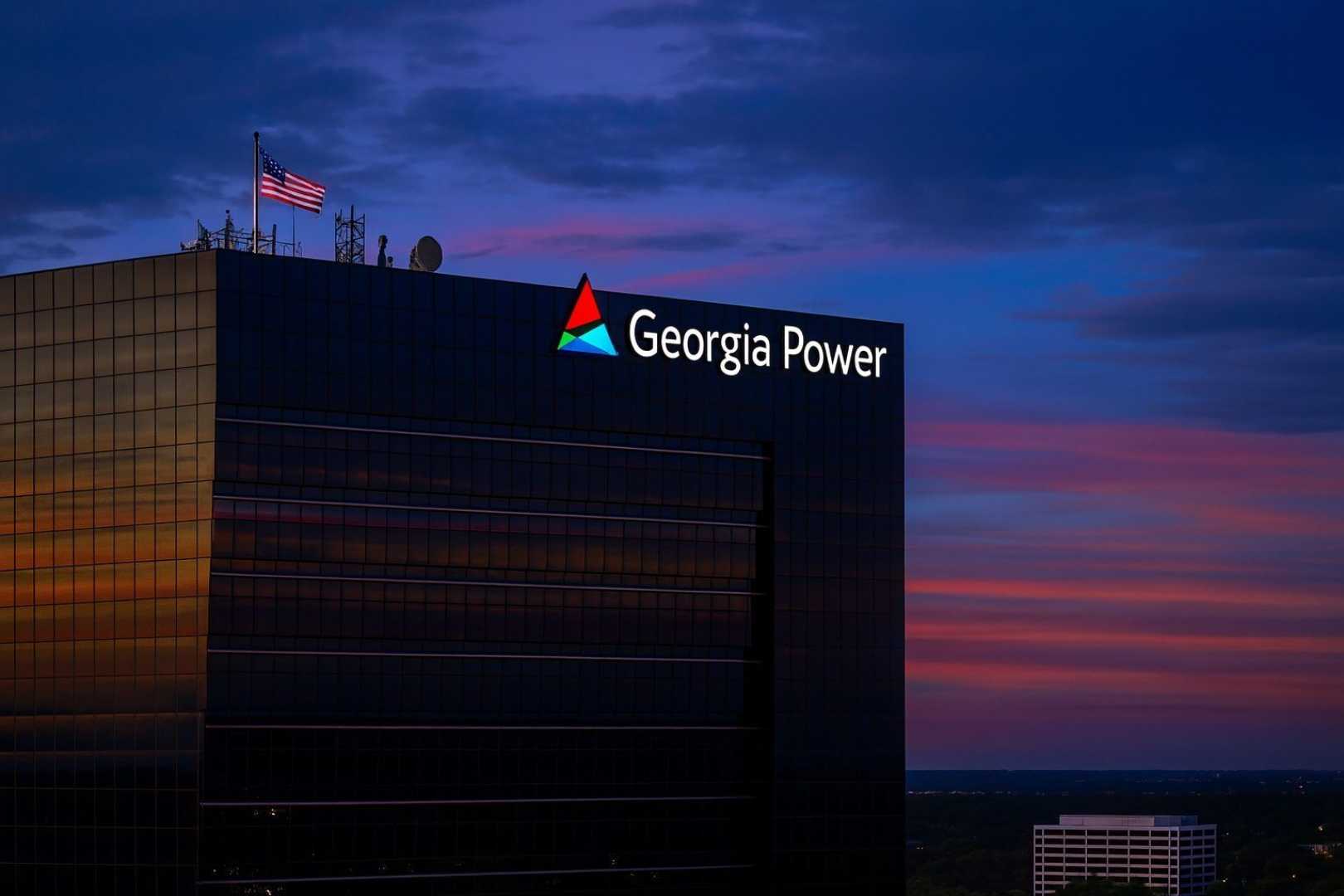
ATLANTA, Georgia — Analysts at the Georgia Public Service Commission (PSC) have warned that residential customers of Georgia Power might see their monthly bills increase by $20 or more if the commission allows the utility to proceed with a significant power generation expansion aimed at supporting a surge in data centers.
The PSC staff suggests that only one-third of Georgia Power’s proposed new power plants and battery storage projects should be approved at this time. Analysts point out that much of what Georgia Power plans is speculative, lacking in secured contracts for the expected demand, which poses a risk of stranded costs for customers if the anticipated energy load fails to materialize.
Robert Trokey, the PSC’s electric section director, emphasized the risks in the staff’s testimony, stating, “The rest is speculative and exposes customers to the risk of stranded costs if the anticipated load does not materialize.” The company seeks to add 10,000 megawatts to its generation fleet over the next five years, with each of the four nuclear reactors at Plant Vogtle providing about 1,100 megawatts for comparison.
The request has drawn criticism from both environmental and consumer advocacy groups, with Bob Sherrier from the Southern Environmental Law Center calling it the largest single power buildout request in the state’s history.
The PSC will decide on Georgia Power’s expansion proposals on December 19, shortly before two new commissioners take office. However, any bill increases resulting from this expansion may not be felt until 2029, as the commission has halted base rate increases through 2028.
Georgia Power disputes claims that demand is speculative, citing an increase in committed contracts totaling 11,000 megawatts. A company spokesperson mentioned in an email, “The electricity demand is based upon the company’s load forecast, which is premised on large load customer commitments and additional organic growth.”
Despite the current demand for electricity, many data center operators are retracting contracts or relocating to other states. The PSC staff noted that Georgia Power’s forecasts have frequently overestimated electricity demand from data centers and warned that overbuilding could lead to unnecessary costs for existing customers.
To manage the potential fallout, Georgia Power suggested they may adjust by acquiring new contracts or delaying construction. However, PSC staff remain skeptical about the effectiveness of these measures and emphasized the potential costs to customers without guaranteed commitments under new billing frameworks.
Georgia Power is also facing delays and budget overruns on ongoing projects, such as the new Plant Vogtle reactors which significantly exceeded their original budget. The PSC staff expressed concern over potential delays and increased costs for the proposed projects given the current inflationary environment and contractors’ inexperience with similar builds.
Ultimately, the PSC staff recommends approving only 3,100 megawatts outright and another 4,200 megawatts with conditions, indicating that the remaining 2,400 megawatts should not be allowed due to cost concerns. They highlighted the risk that additional power plants could substantially increase costs for Georgia Power customers in the long term.


