
News
Death Toll in Indonesia Floods Rises to 442 Amid Food Shortages

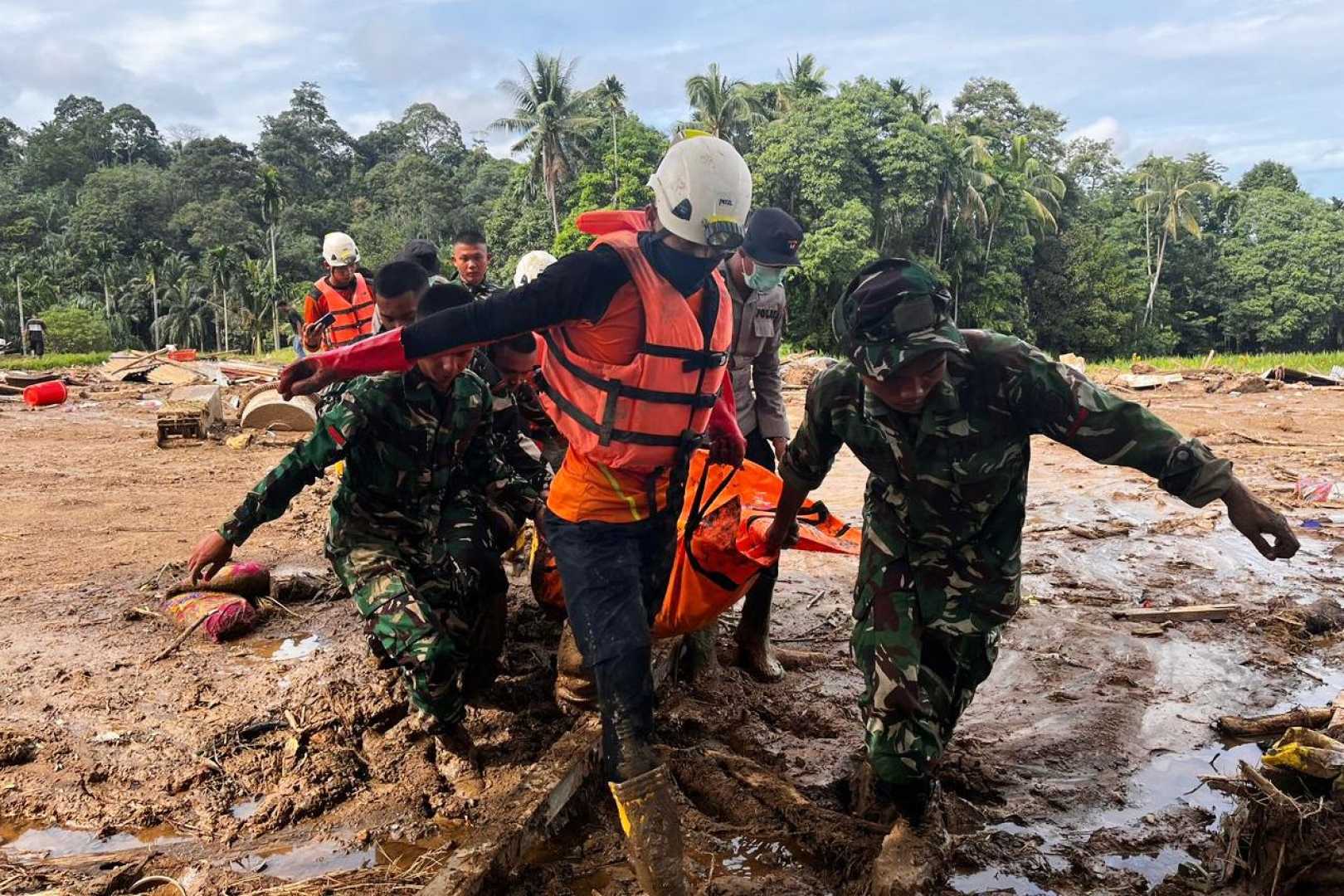
MEDAN, Indonesia — The death toll from catastrophic floods and landslides in Indonesia has risen to 442, as reported by the National Disaster Management Agency (BNPB) on Sunday. Desperate residents across the hardest-hit areas, particularly on Sumatra island, scramble for food and water after heavy rainfall led to extensive damage.
Authorities revealed that 402 people are still missing in North Sumatra, West Sumatra, and Aceh provinces. The floods have left about 290,700 people displaced and caused significant damage to nearly 3,000 homes.
As aid efforts face challenges due to blocked roads and downed communication lines, some residents have resorted to stealing food and water to survive. Police spokesperson Ferry Walintukan mentioned that officers received reports of looting before logistical aid had arrived, as local residents feared for their safety and survival.
“The looting happened before logistical aid arrived,” said Walintukan. “Residents didn’t know that aid would come and were worried they would starve.”
Over the weekend, officials deployed helicopters and navy ships to deliver essential supplies to isolated areas. However, continuing inclement weather has hindered aid operations.
“We deployed 11 helicopters to assist with logistics distribution,” said Cabinet Secretary Teddy Indra Wijaya. “But unpredictable weather conditions disrupt our aid operations.”
As aid begins reaching some areas, reports highlight the overwhelming need for food and medical supplies. Social media videos show people navigating through waist-deep water to acquire essentials from damaged convenience stores.
The floods stem from a rare cyclone impacting the region, adding to ongoing disaster response challenges in Southeast Asia, where similar conditions have led to numerous fatalities. Criticisms regarding the government’s preparedness for such disasters have surfaced, with calls for improved rapid response capabilities.
Communities in the cities of Sibolga and Central Tapanuli remain particularly cut off, with limited access to critical resources. Volunteers are also stepping in to provide aid, delivering food and clothing using available transportation methods like motorcycles.
As the situation evolves, local and national authorities are working to coordinate more effective relief efforts while the public remains vigilant amid ongoing threats posed by the climate crisis.


