
Sports
D.C. Council Approves $3.7B Deal for Commanders’ New Stadium

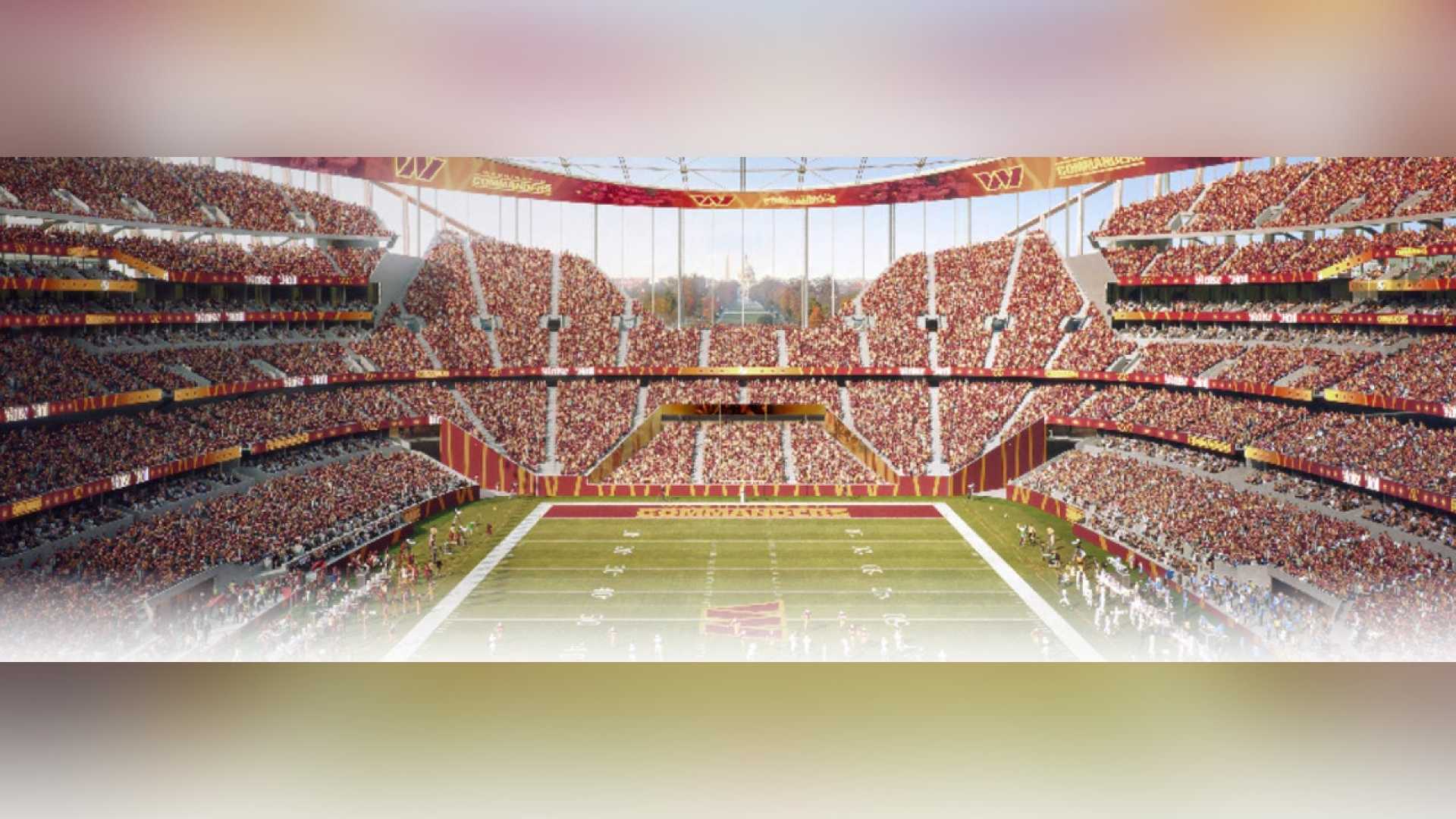
WASHINGTON, D.C. — The D.C. Council voted 11-2 on September 17, 2025, to approve a $3.7 billion deal for the Washington Commanders to build a new stadium at the site of the old RFK Stadium. This vote marks the end of a lengthy political journey involving local leaders and federal officials.
The Commanders are set to return to their original home after moving to Maryland in 1997. Mayor Muriel Bowser announced the deal in April, but some council members raised concerns over its terms and communication issues. After months of negotiations, an amended version received initial approval in August.
On the day of the final vote, several council members proposed last-minute changes, frustrating the team leadership. Washington Commanders President Mark Clouse stated in a letter, “Less than 24 hours before the final vote, the Commanders organization was presented with a list of unworkable and impractical new last-minute demands.” These proposed amendments included new taxes affecting parking and merchandise revenue.
Despite the late hurdles, the council maintained its support, needing seven votes to finalize the deal. The agreement includes $2.7 billion from the Commanders and around $1 billion from the District, which Bowser claims is the largest private investment in D.C. history.
The new stadium, designed to accommodate 65,000 fans, will be part of a larger mixed-use development at the 180-acre site. Plans for the area include thousands of housing units, with a commitment that at least 30% will be affordable, as well as new retail and recreational facilities.
In 2024, Congress transferred control of the RFK campus to the District, paving the way for this redevelopment. This is considered a historic moment for D.C. football fans, as the Commanders experienced their peak success at this site during the 1980s and early 1990s.
The Commanders are aiming to open the new stadium by the start of the 2030 season, bringing professional football back to D.C. The deal is expected to transform the region, enriching both the economy and community.


