
Politics
Debate Ignites Over Controversial U.S. Boat Strikes and Political Fallout

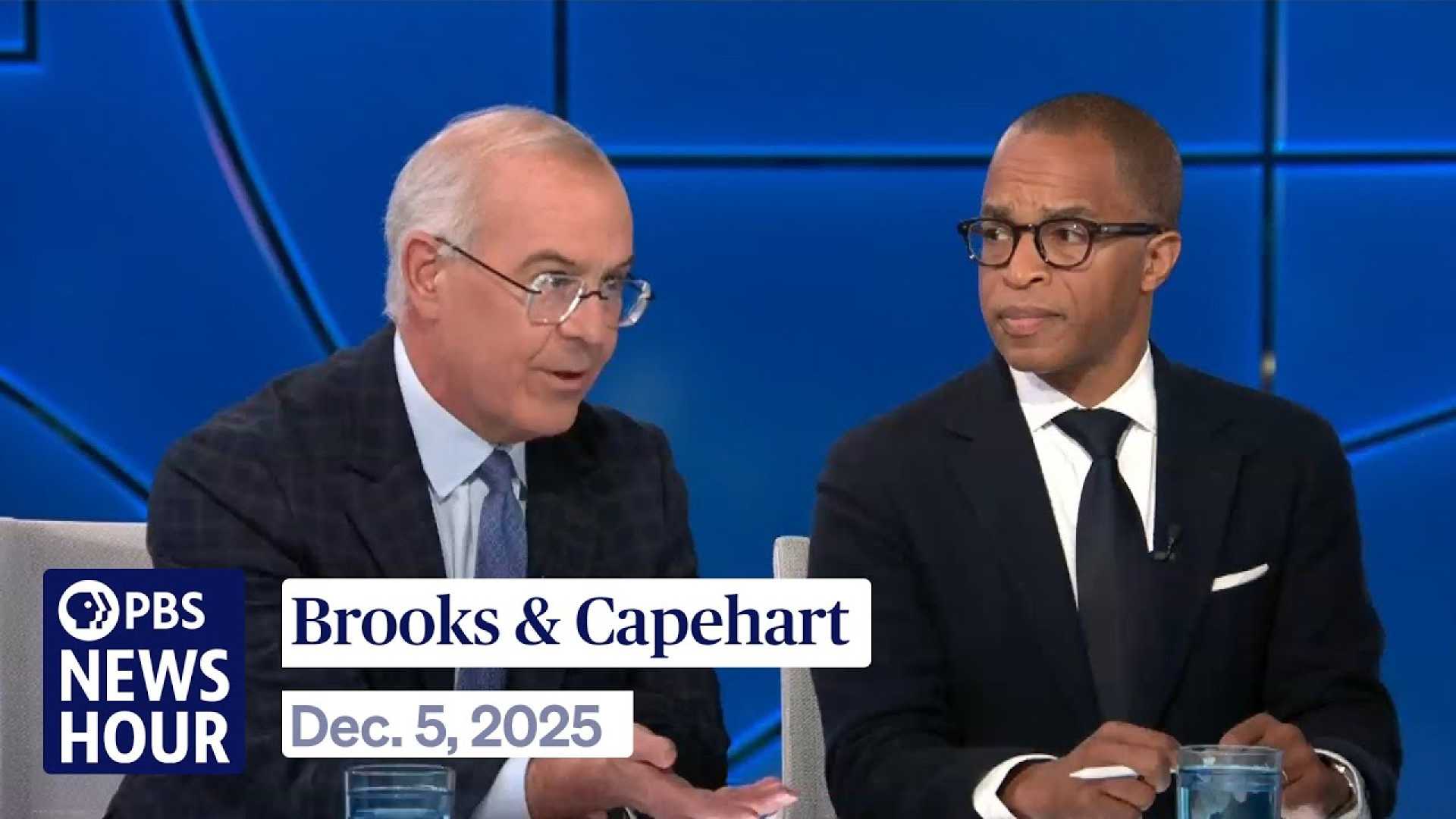
WASHINGTON, D.C. — A debate intensified this week over controversial U.S. boat strikes that killed two survivors of an initial attack on a Venezuelan drug boat in September. New York Times columnist David Brooks and Jonathan Capehart of MS NOW joined host Geoff Bennett to discuss the implications of these actions on U.S. foreign policy.
During the discussion, Capehart criticized the administration’s rationale for the strikes, emphasizing the lack of evidence presented to the public. “The administration says these strikes are necessary to protect U.S. interests, but they haven’t shown us any proof,” he stated. Capehart raised concerns about the deaths of the survivors and questioned why they were not detained in U.S. federal custody.
Brooks weighed in, describing the administration’s approach as more of a show of force than an effective counternarcotics strategy. He remarked, “If they genuinely cared about stopping drugs, they would focus on the land routes through Mexico instead of destroying evidence and alienating allies.” Brooks criticized the tone of the discourse, likening it to a video game where the gravity of warfare is trivialized.
In a related controversy, a Pentagon inspector general report found that Secretary of Defense Pete Hegseth’s use of the messaging app Signal during active operations endangered U.S. troops. Capehart expressed disbelief that no significant consequences followed Hegseth’s actions: “In a normal administration, Hegseth would have faced severe repercussions. Instead, we see no accountability. This is deeply offensive.”
Bennett emphasized the importance of secure communication protocols for government officials, questioning how they could be disregarded with minimal repercussions. Brooks expressed disappointment at the lack of transparency, saying, “It seems like there’s a total refusal to admit any mistakes, which undermines trust in the administration and its officials.”
The conversation also touched on Dan Bongino, the Deputy FBI Director, who recently acknowledged promoting conspiracy theories during his time as a political commentator. Capehart expressed concern over Bongino’s transition from spreading misinformation to holding a significant law enforcement position, saying, “How can Americans trust the FBI when its leaders have such a history?”
Brooks added that the current environment fosters a toxic political discourse, stating, “Conspiracy thinking has corrosive effects on democracy. If we lose faith in our institutions, we no longer have a democracy.” Capehart and Brooks called for increased accountability and transparency within the government.
The discussion illuminated not only the complexities of U.S. foreign policy but also the broader implications of misinformation in political discourse.


