
Entertainment
Halloween Kills: A Messy Exploration of Trauma and Vigilantism

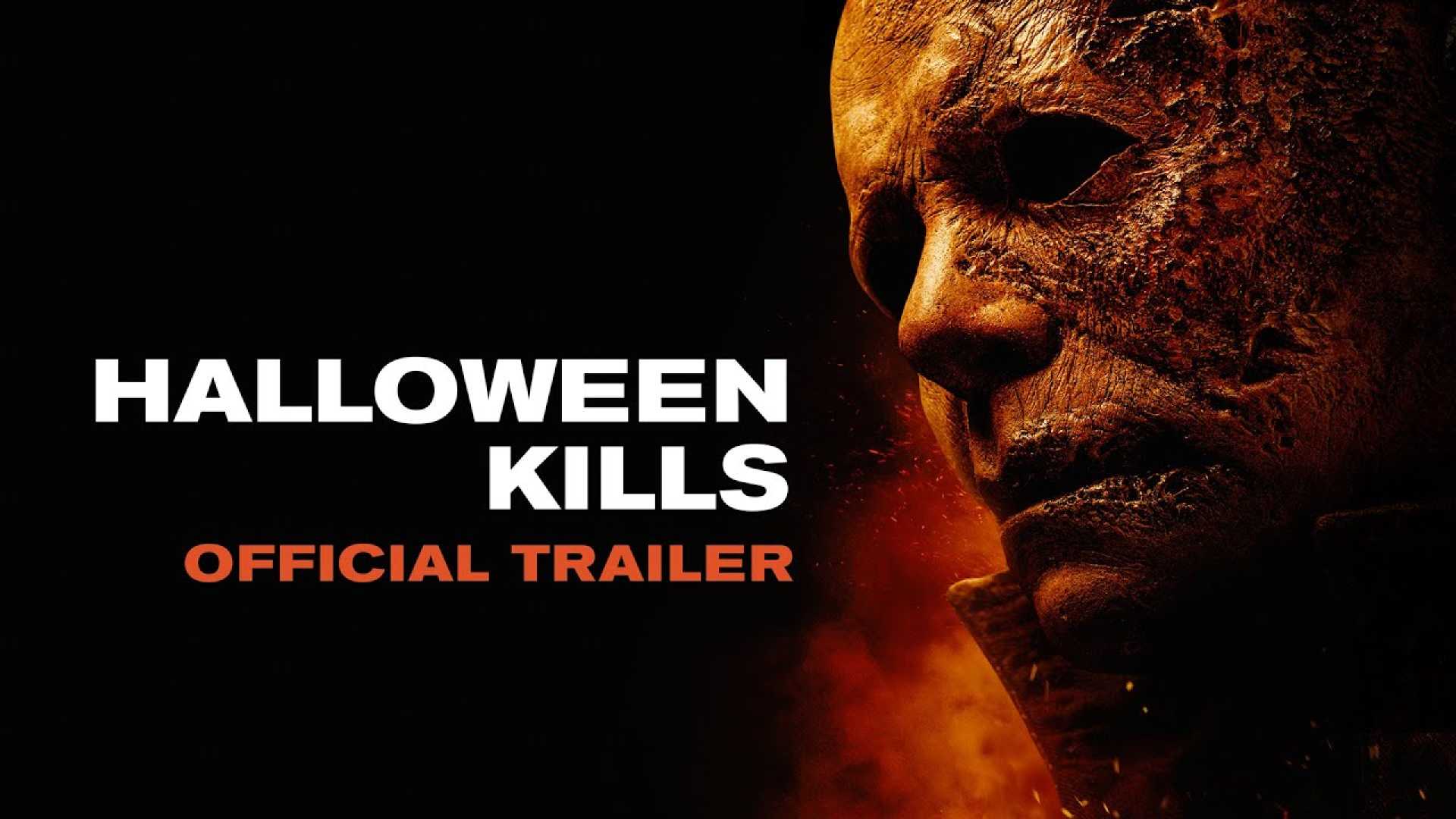
LOS ANGELES, CA – A year after the release of “Halloween Kills,” the film continues to polarize fans. The movie, which aimed to expand the franchise’s narrative, diverged significantly from its predecessor. While “Halloween 2018” received a generally warm reception, “Halloween Kills” faced heavy criticism upon its release.
Critics pointed out the film’s straightforward narrative style and lack of subtlety in character development. Many viewers felt that the film’s presentation mirrored that of a comic book, where themes are overtly stated. Despite its flaws, some fans, including myself, found a charm in its chaotic narrative.
As I reflect on my viewing experience, I appreciate the movie’s bold approach. “Halloween Kills” features a high body count, intertwining violence with its central theme: communal fear and the implications of vigilante justice. Unlike its predecessor, which centered on Laurie Strode’s personal trauma, this film explores the collective trauma experienced by Haddonfield.
The film’s portrayal of mob mentality is striking. It follows the townspeople’s efforts to confront the terror of Michael Myers. The narrative shifts from a personal story about Laurie to a broader commentary on how fear can spread and influence community actions.
Tommy, a central character in the film, embodies this shift. His attempt to rally the community backfires, resulting in unintended casualties. The mob, driven by fear and a desire for retribution, mistakenly kills Tovoli, a patient attempting to find safety in the hospital.
“Halloween Kills” delves into themes of failure. The film illustrates how well-meaning intentions can spiral into chaos. Tommy’s effort to confront Michael Myers only amplifies hysteria and violence in the town.
Moreover, the film raises unsettling questions about authority and responsibility. The sheriff, portrayed as ineffective and dismissive, ultimately loses control as the mob takes matters into its own hands. His failure to adequately address the threat of Michael Myers reflects broader themes of societal breakdown and vigilante culture.
The film’s nihilistic tone contrasts sharply with its slasher roots, creating a unique blend of horror and dark humor. “Halloween Kills” offers an alarming yet entertaining experience, cementing its place as a distinct entry in the franchise.


