
Entertainment
Investigative Report Raises Doubts About Amy Griffin’s Memoir ‘The Tell’

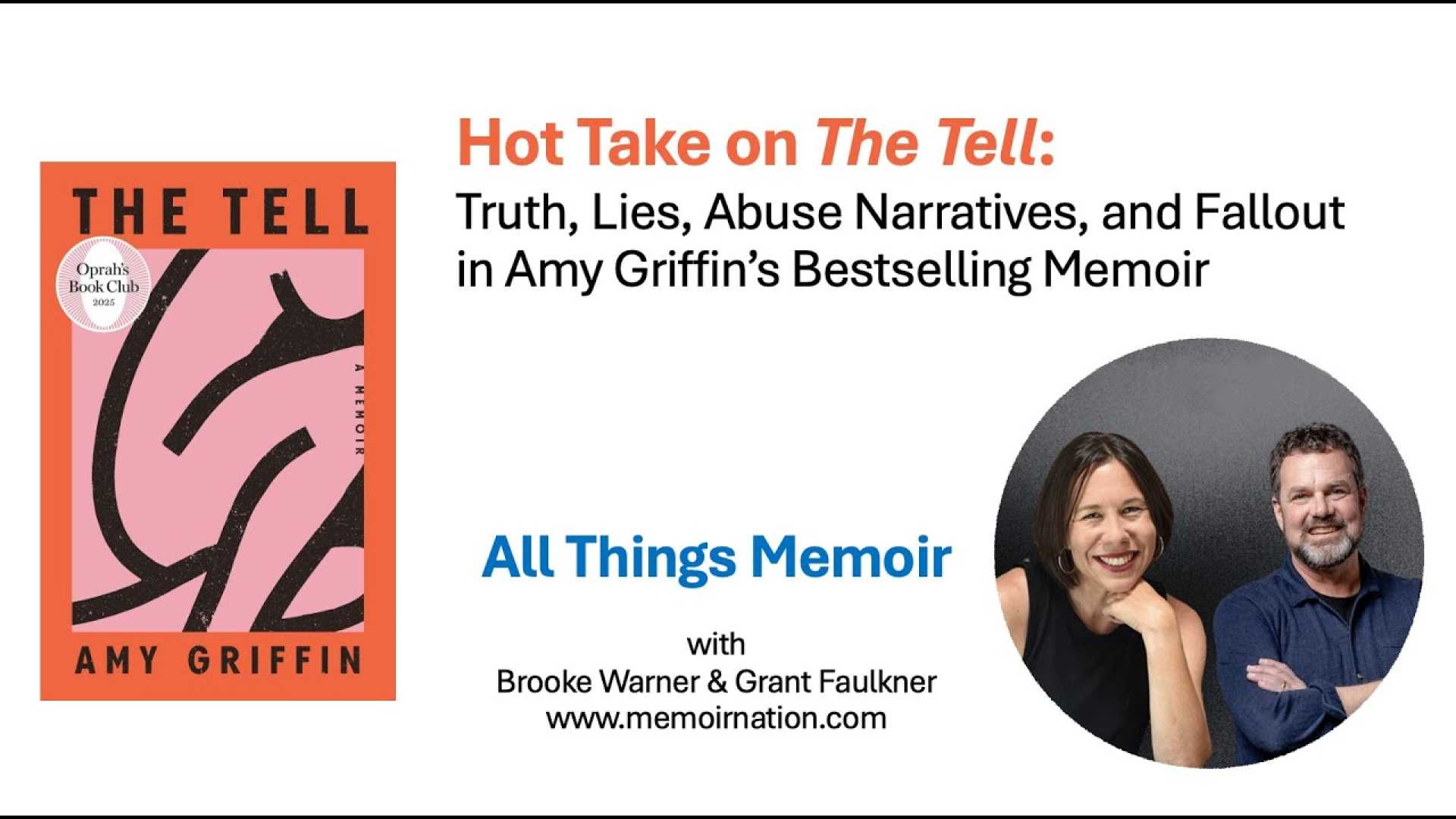
New York, NY – An in-depth investigation released this week challenges the narrative presented in Amy Griffin’s bestselling memoir, “The Tell.” Griffin, known for her high-profile friendships with celebrities like Oprah Winfrey, Reese Witherspoon, and Drew Barrymore, recounts a traumatic childhood involving sexual abuse by a teacher. However, recent findings suggest that the book may not be entirely factual.
Since its release in March, “The Tell” has drawn significant attention, landing on the New York Times bestseller list and being embraced by celebrity endorsements. Winfrey welcomed Griffin into her prestigious book club with an interview that promoted the memoir as a catalyst for others to share their truths.
In the book, Griffin reveals that her memories of trauma were recovered during therapy sessions involving MDMA, a practice that remains illegal and was rejected by the FDA last year. Critics have raised ethical concerns regarding the accuracy of memories recalled under such conditions.
The Times conducted a thorough investigation, speaking with individuals in Griffin’s hometown of Amarillo, Texas. They uncovered inconsistencies in her story and questioned the validity of the recovered memories. Rick Doblin, an MDMA advocate, suggested that memories retrieved under such therapeutic sessions are often not reliable, noting they can be more symbolic than factual.
Despite her desire for justice, legal limitations prevented Griffin from pursuing charges against the alleged abuser. Reports indicate that the teacher, who was given a pseudonym in the book, remains unidentified by law enforcement and has not faced any allegations from other sources.
Even though Griffin’s account has been celebrated, critics argue that it resembles more of a promotional tool for psychedelic therapy than a genuine memoir. Her attorney expressed frustration when approached by reporters for clarification, leading to more questions about the authenticity of Griffin’s narrative.
As the public grapples with the ramifications of her story, concerns persist about the influence of celebrity culture on perceptions of trauma and healing. With memoirs often taken at face value, how much should readers trust the accounts of those lifted by fame and financial backing? Only time will tell.


