
Business
IRS Announces New Tax Brackets and Deductions for 2026

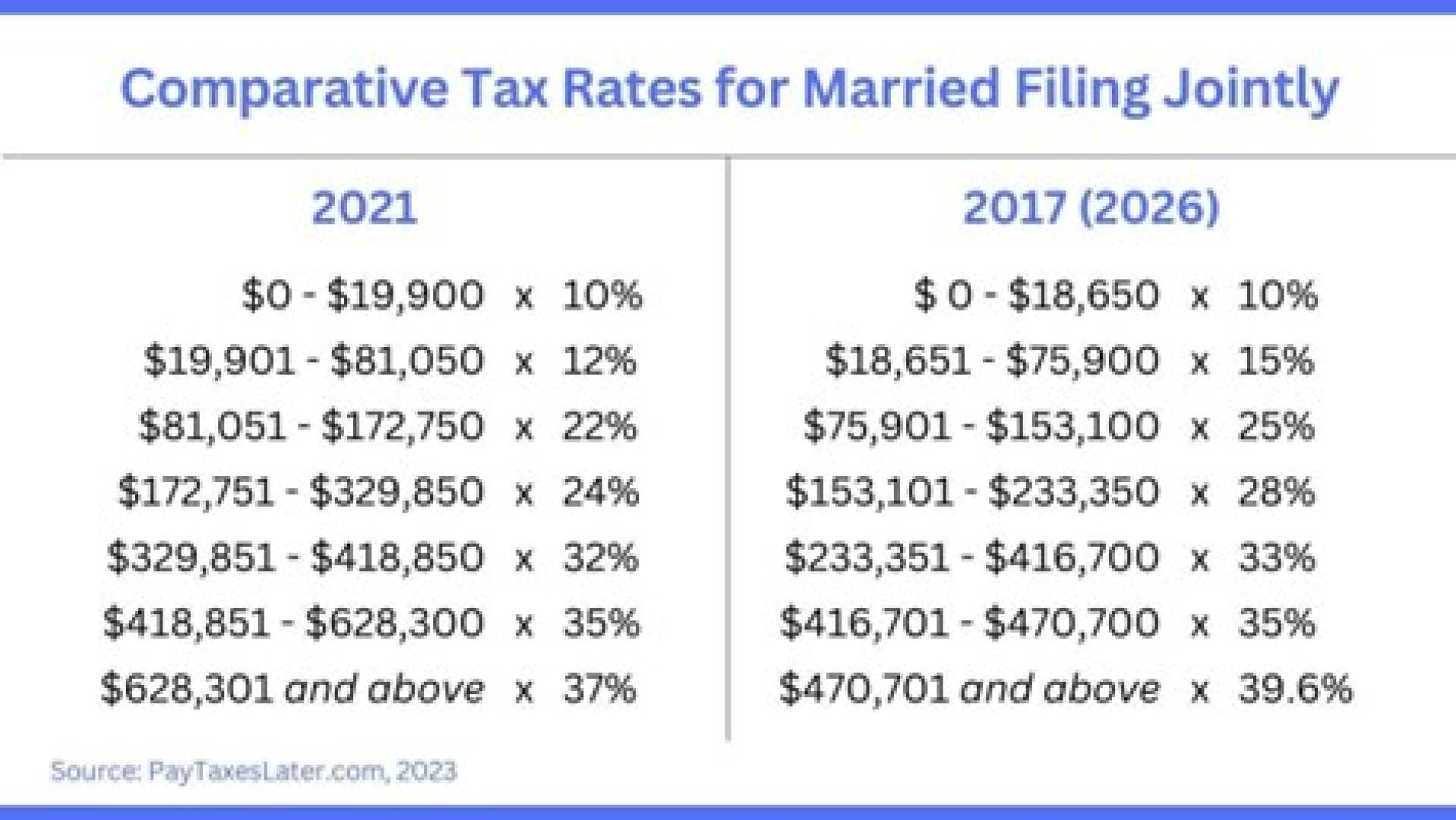
Washington, D.C. — The Internal Revenue Service announced new federal income tax brackets and standard deductions for the tax year 2026, affecting returns filed in 2027. The changes aim to adjust thresholds to mitigate the impact of inflation.
According to the IRS, the top tax rate of 37% will apply to individuals with taxable incomes exceeding $640,600 and to married couples filing jointly earning over $768,700 in 2026. This marks an increase of approximately 2.5% from current thresholds.
Additionally, the standard deduction will rise to $32,200 for married couples, up from $31,500 in 2025, while single filers will see their standard deduction increase to $16,100, up from $15,750.
The IRS regularly updates tax brackets to prevent “bracket creep,” where inflation pushes taxpayers into higher tax brackets without real income growth, potentially leading to larger tax bills.
Heather J. Wong, a tax policy expert, noted, “These adjustments ensure that taxpayers aren’t unfairly penalized by inflation. People will keep more of their earnings, and fewer will be pushed into a higher bracket without any real wage increase.”
The IRS also adjusted the earned income tax credit, the estate and gift tax exemption, and long-term capital gains limits as part of its inflation adjustments. However, amidst these changes, the agency is facing challenges related to the ongoing government shutdown.
On October 8, the IRS announced plans for an agency-wide furlough affecting nearly half its workforce due to a lapse in federal appropriations. As a result, some IRS operations may be delayed, impacting taxpayer assistance and potential refunds.
Taxpayers who filed for an extension due on October 15 should proceed with submissions as planned, according to IRS guidelines. A spokesperson emphasized that the furlough does not alter federal income tax responsibilities.
As inflation continues to affect daily expenses, these tax adjustments could provide minor relief for many working families and individuals seeking to maximize their tax refund in the upcoming year.


