
Business
U.S. Partners with Canada to Boost Nuclear Power Investments

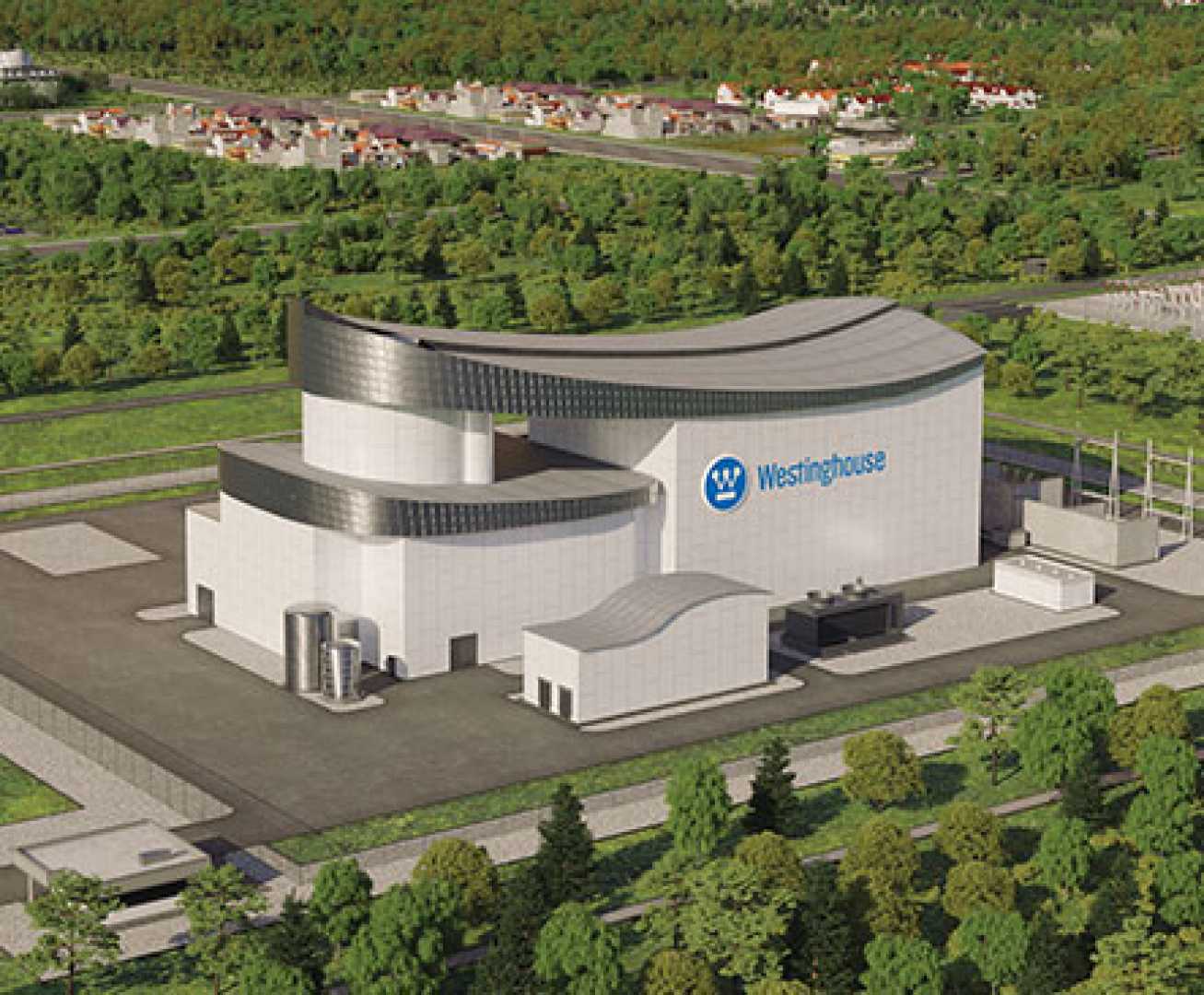
WASHINGTON, D.C. — The U.S. government announced a partnership with Cameco and Brookfield Asset Management, the Canadian owners of Westinghouse Electric, on Tuesday. This initiative aims to invest at least $80 billion in developing new nuclear reactors, marking a significant effort in U.S. atomic energy expansion.
This agreement aligns with President Trump‘s energy strategy, which emphasizes maximizing output from various sources, including nuclear, amid a surge in demand for electricity driven by artificial intelligence applications.
Under the terms of the deal, the U.S. government will facilitate financing and help secure permits for new Westinghouse reactors. In return, the U.S. is expected to receive a 20% share of profits after the company pays out $17.5 billion to its owners.
The partnership emerged during Trump’s visit to Asia, where he also mentioned that Japan plans to invest up to $332 billion in U.S. infrastructure, including nuclear projects. Companies from Japan, such as Mitsubishi Heavy Industries and Toshiba, might contribute to building up to $100 billion worth of Westinghouse reactors.
On the financial markets, shares of Cameco rose significantly following the announcement. However, the project faces challenges, including escalating costs and public apprehension about nuclear safety.
The last Westinghouse reactors constructed in the U.S. faced severe delays and cost overruns, raising concerns within the industry. The Vogtle site in Georgia experienced about seven years of delays and expenses that soared past initial estimates.
Westinghouse filed for bankruptcy in 2017 due to financial mismanagement. Brookfield and Cameco acquired it, aiming for recovery through this new investment initiative.
Currently, no large nuclear reactors are under construction in the U.S. Regulatory measures have been tightened in past years, although the Trump administration recently directed efforts to streamline permitting processes, hoping to have 10 large reactors operational by 2030.
Energy Secretary Chris Wright emphasized that the administration is committed to reinvigorating nuclear power, describing the partnership as a strategic move to enhance national energy security.
Nonetheless, critics express concerns regarding the management of radioactive waste and the overall safety of nuclear power in light of past incidents. The government plans to proceed cautiously while addressing these challenges.


