
Business
Stocks Volatile Amid Renewed U.S.-China Trade Tensions

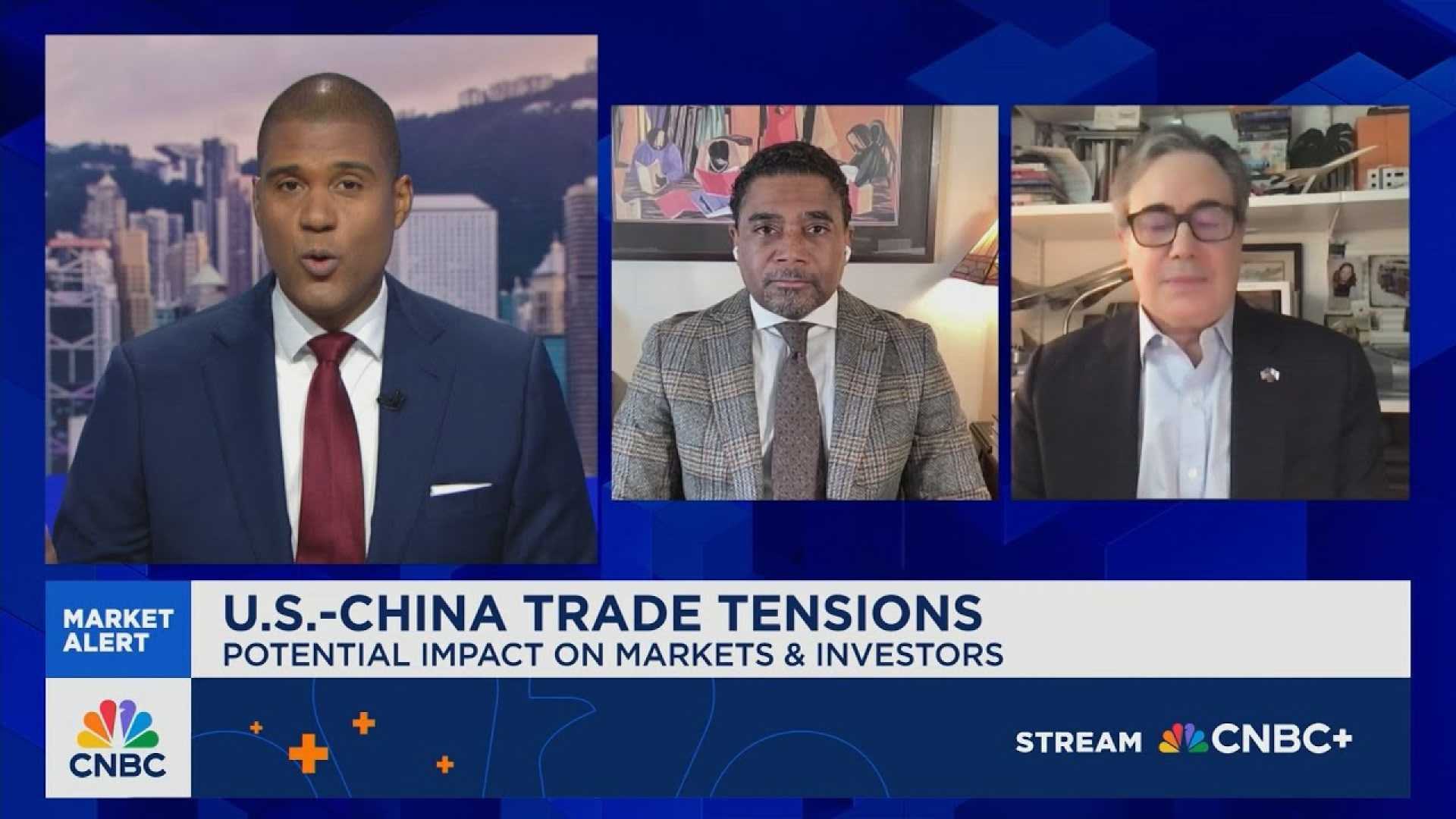
New York, NY – Stocks experienced mixed results on Tuesday as investors reacted to escalating tensions between the United States and China. The Dow Jones Industrial Average rose by 203 points, or 0.44%, recovering from a drop of as much as 615 points earlier in the day. Meanwhile, the S&P 500 fell by 0.16%, and the Nasdaq Composite dropped 0.72% after facing a significant decline of 2.1% during the session.
Investors are on edge as renewed trade hostilities have pushed the possibility of a conflict back into the spotlight. Lee Hardman, a senior currency analyst at MUFG, noted that market participants had initially hoped the worst of the trade friction between the two countries was over.
The tensions resurfaced following China’s announcement of new tariffs on October 9, quickly followed by U.S. President Donald Trump‘s threats to respond with further measures. On Tuesday, Beijing stated it would impose sanctions on five American subsidiaries of South Korea’s Hanwha Ocean and is examining ongoing U.S. trade investigations into its maritime activities.
Trump took to social media, labeling China’s actions as an “Economically Hostile Act” for not purchasing American soybeans, a crucial export for U.S. farmers facing difficulties due to the ongoing trade war.
Investors, wary of a potential trade conflict rekindling, fear it could lead to inflation and a possible economic slowdown. Sam Stovall, chief investment strategist at CFRA Research, indicated that the reemergence of trade issues has led to heightened investor concern.
The tumultuous market dynamics occur just ahead of an expected meeting between Trump and Chinese President Xi Jinping at the end of October in South Korea. Wall Street’s volatility index, the VIX, which measures market fear, surged by 31% last Friday, its steepest rise since April, before decreasing by 12% on Monday. On Tuesday, the VIX rose by 9% again, marking its highest position since May.
Tech stocks, key drivers of the year’s market rally, demonstrated vulnerability due to trade apprehensions. Nvidia, the largest company in the S&P 500 by market capitalization, declined by 4.4% amid fears of ongoing trade disputes. Ulrike Hoffmann-Burchardi, UBS’s global head of equities, warned that volatility in the tech and chip sectors could persist as trade negotiations unfold.
As the market reacts to geopolitical uncertainties, traditional safe havens like gold are gaining traction, indicating a shift toward investments that manage risk. Despite the recent downturns, some Wall Street strategists believe that stocks still have potential for growth, bolstered by strong corporate earnings and potential Federal Reserve interventions. While concerns about an AI bubble loom, there remains cautious optimism among investors.
Hoffmann-Burchardi expressed hope for a negotiated resolution between the U.S. and China, stating, ‘We remain cautiously optimistic that they will ultimately pursue a negotiated resolution.’


