
Health
Super Flu Strain Drives Early Rise in US Hospitalizations

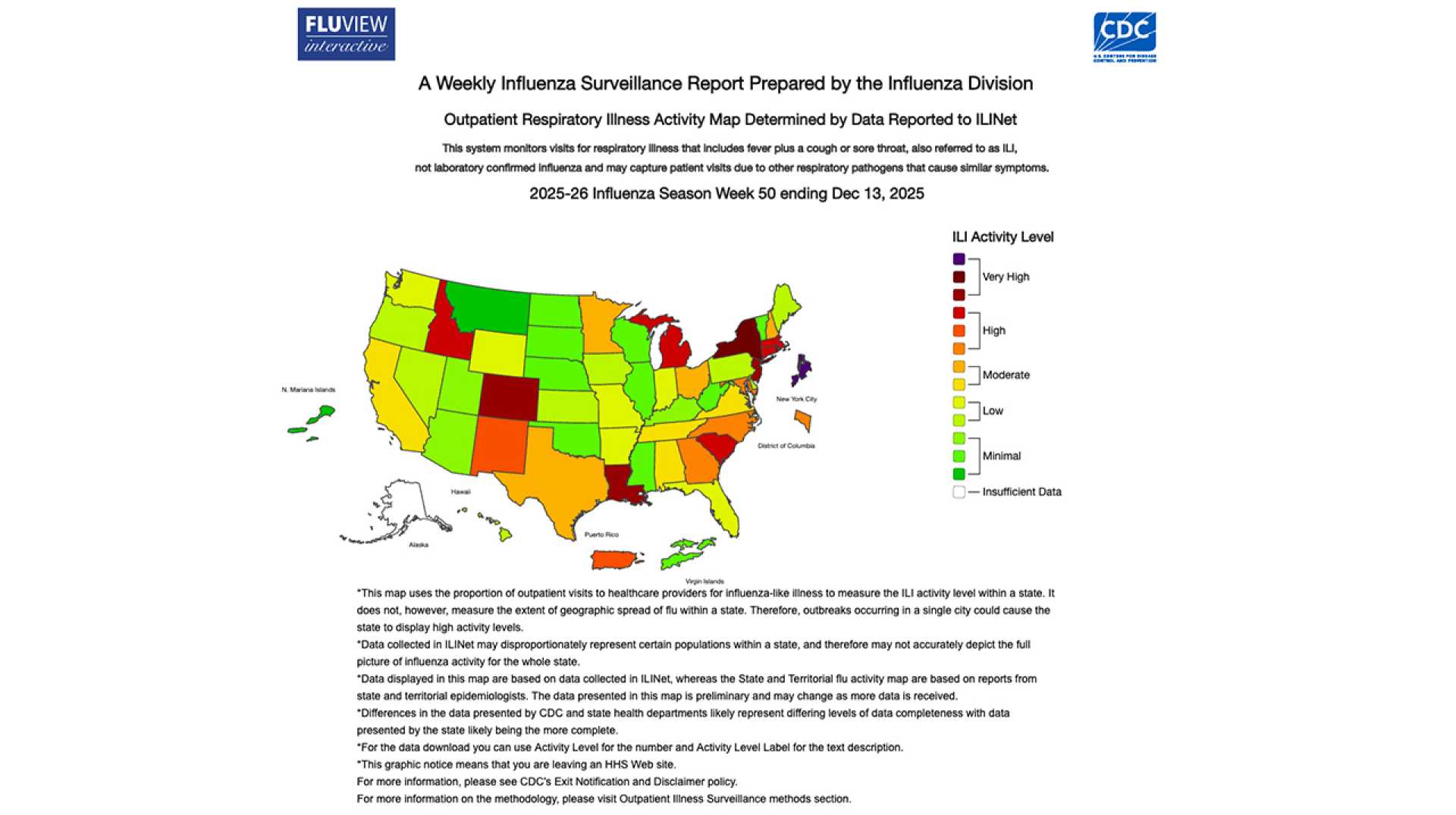
ATLANTA, Georgia — A new variant of influenza A H3N2, known as subclade K, is causing alarms as it rapidly spreads across the United States, triggering an early and severe flu season. Health experts are reporting high levels of illness, particularly in states like New York, Rhode Island, Colorado, and Louisiana.
“The United Kingdom got hit pretty hard by this strain, as did Europe and Australia,” said Dr. Abhay Maniar, director of the master of public health program at Northeastern University. He warns that the U.S. is likely to face significant challenges this flu season. Currently, the strain is dominant in the U.S., accounting for a large proportion of flu cases.
The subclade K strain is concerning due to its mutations, which make it less aligned with this year’s flu vaccine. Dr. Brandon Dionne, associate clinical professor in pharmacy and health systems sciences at Northeastern University, explained that these mutations affect the hemagglutinin proteins, which are crucial for vaccine effectiveness.
Flu vaccines usually have an efficacy rate ranging from 40% to 60%, but estimates for this variant show a lower efficacy of around 32% to 39% for adults and 72% to 75% for children. Despite this mismatch, health officials recommend getting vaccinated to reduce the severity of illness.
The Centers for Disease Control and Prevention (CDC) states that the flu has led to approximately 4.6 million cases, with 49,000 hospitalizations and 1,900 deaths reported this flu season, including two pediatric deaths. Maniar emphasized the importance of taking flu seriously, noting its potential complications.
Flu symptoms include fever, chills, cough, sore throat, and body aches, and they can lead to complications such as pneumonia. Hospitalizations have surged, with the nationwide rate increasing by 14.3%, attributed to the rapid spread of the subclade K strain.
As holiday gatherings approach, health experts urge individuals to get vaccinated and to consider wearing masks in crowded spaces. If flu symptoms develop, treatment options include antivirals like Tamiflu to shorten symptom duration. As influenza cases continue to rise, the coming weeks could prove crucial for managing this flu season’s impact.


