
Business
Supreme Court Reviews Trump’s Tariffs Authority Amid Legal Challenges

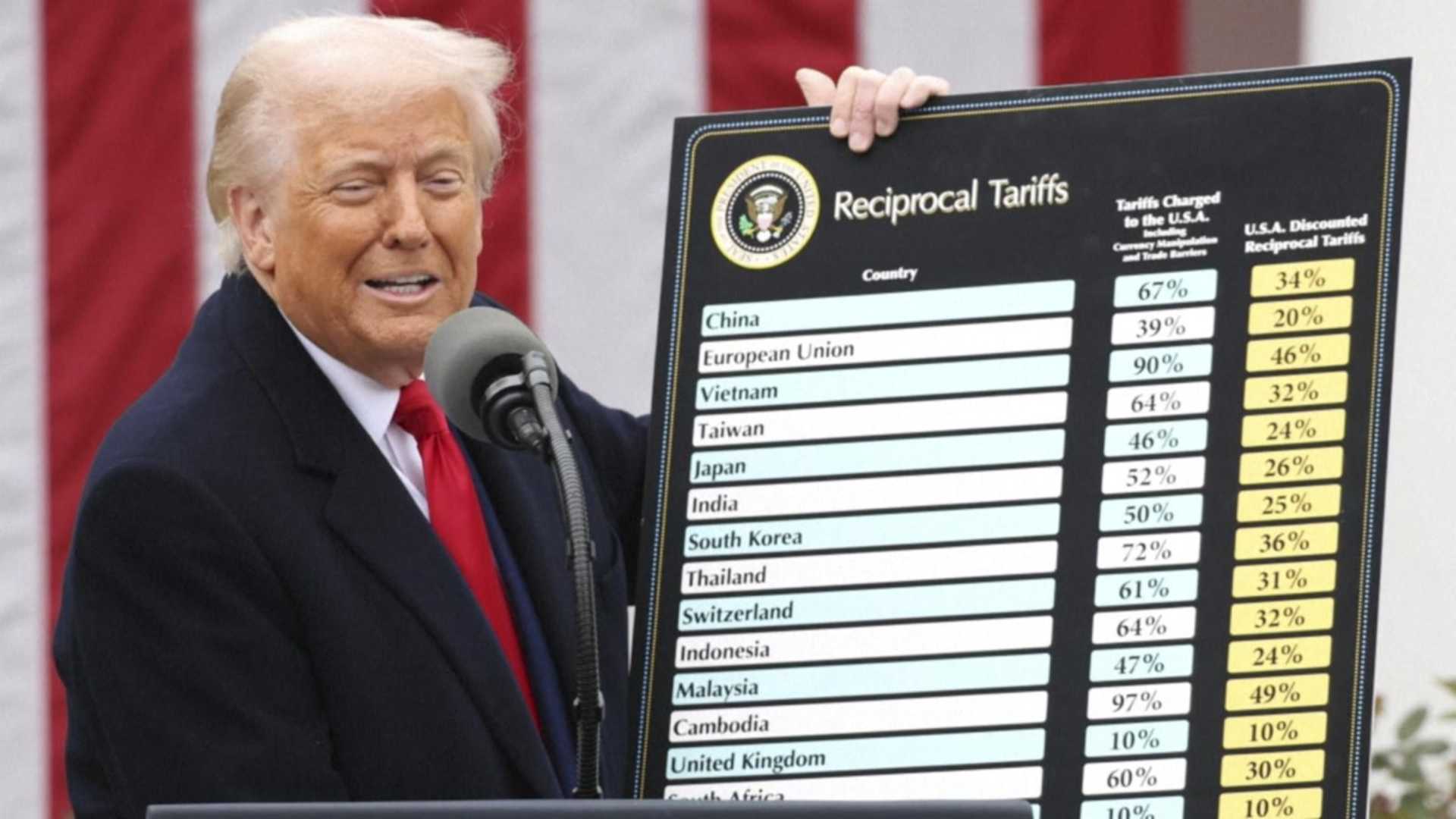
WASHINGTON, D.C. — The U.S. Supreme Court is set to hear arguments on November 5 regarding President Donald Trump’s extensive use of tariffs under the International Emergency Economic Powers Act (IEEPA). This case could determine whether many of these tariffs are legally imposed or if they exceed presidential authority.
President Trump warned reporters Thursday that losing this case would be “devastating for our country.” The tariffs in question have raised duties on a wide range of imports, including those from China, Canada, and Mexico, to address perceived threats to national security and economic stability.
The IEEPA, enacted in 1977, allows the president to manage economic transactions during a national emergency. However, legal experts argue it does not explicitly authorize tariffs, which traditionally require congressional approval. Trump has cited emergencies linked to drug trafficking and trade imbalances to justify his tariff policies.
The lower courts have raised concerns about the legality of Trump’s tariffs, with one ruling suggesting the president may have overstepped his authority. Statements from economists suggest that regardless of the Court’s decision, tariffs are expected to persist under different legal provisions if necessary.
Goldman Sachs anticipates that the administration would find alternative means to maintain similar tariff levels, stating, “Large trading partners would likely see little change.” The only variable may be the form these tariffs take.
Under current provisions, Trump could use Section 122 of the Trade Act to impose temporary tariffs without Congressional approval, allowing up to a 15% tariff for 150 days based on economic data.
While legal analysts predict that the Supreme Court may ultimately reaffirm Congress’s role in regulating tariffs, the political implications could reshape future executive actions. Chief Justice John Roberts and Justices Clarence Thomas and Samuel Alito have indicated a willingness to assert limits on executive power.
As the case unfolds, it poses significant questions for the future of trade policy, the balance of powers, and economic consequences for Americans. If upheld, Trump’s tariffs could continue to generate substantial revenue, exceeding $130 billion, as reported by the U.S. Customs and Border Protection.
The outcome of this case could influence economic strategies and alter how future administrations navigate trade relations. Observers are waiting to see if the ruling establishes a precedent that limits or expands presidential powers in trade policy.


