
Business
Swiss Federal Railways Awards Major Train Contract Amid Local Supplier Outcry

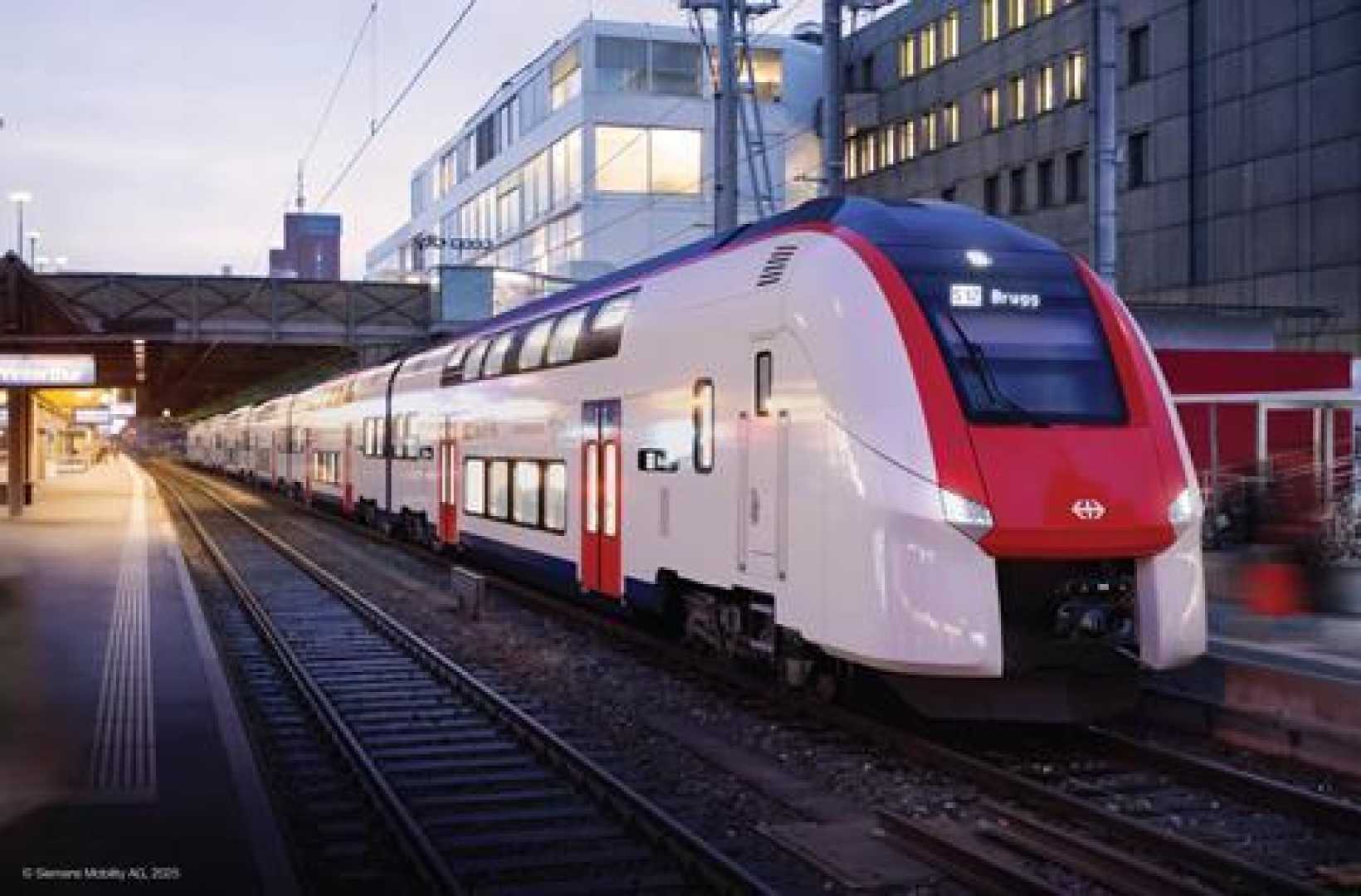
BERN, Switzerland — Swiss Federal Railways (SBB) announced on November 7, 2025, that it has awarded a significant contract to supply up to 200 double-deck electric multiple units (EMUs). This decision has sparked controversy with local supplier Stadler, which expressed disappointment over not being awarded the contract despite offering competitive pricing and local production.
The deal, valued at approximately SFr2 billion, includes provisions for 95 EMUs designated for Zürich S-Bahn services, along with 21 EMUs for the RER Vaud network and the RE33 Martigny – Annemasse route in western Switzerland. The new trains are expected to enter service in the early 2030s. The contract also offers options for an additional 84 units to accommodate future service expansions.
The 160 km/h EMUs will replace older loco-hauled trains that were manufactured between 1989 and 1997. Each EMU will be around 150 meters long and will include about 540 seats, featuring power outlets for passenger convenience. Notably, 20% of the seats will be designated for first-class passengers, providing adjustable seating with greater legroom and folding tables.
In providing additional comfort, there will also be multipurpose areas to accommodate luggage, pushchairs, and bicycles, including charging points for electric bikes. Accessibility features will include low-floor entrances at all doors, large information screens, and emergency call points. One of the two toilets in each train will be wheelchair accessible.
SBB emphasized that these new double-decker trains are designed to cater to both commuters and leisure travelers alike, saying, ‘Passengers can quickly board and alight on short urban routes, while those with luggage or children can enjoy more space.’
The bidding process for this contract began in June 2024 and included assessments based on various factors, including costs, compliance, and sustainability. Siemens Mobility ultimately submitted what SBB deemed the most advantageous offer.
Following the announcement, Stadler expressed regret over the decision, stating they would review SBB’s reasoning. The company highlighted its unique position as the only manufacturer of trains entirely produced in Switzerland, creating jobs for over 200 domestic small to medium enterprises. CEO Markus Bernsteiner conveyed the disappointment of not being selected despite the track record of their trains with SBB, which employ around 6,000 people in Switzerland.
SBB has allowed the option for unsuccessful bidders to lodge legal complaints but noted that past contract awards that faced appeals were typically upheld.


