
Business
Trump Directs DOJ to Investigate Meatpacking Industry for Price Fixing

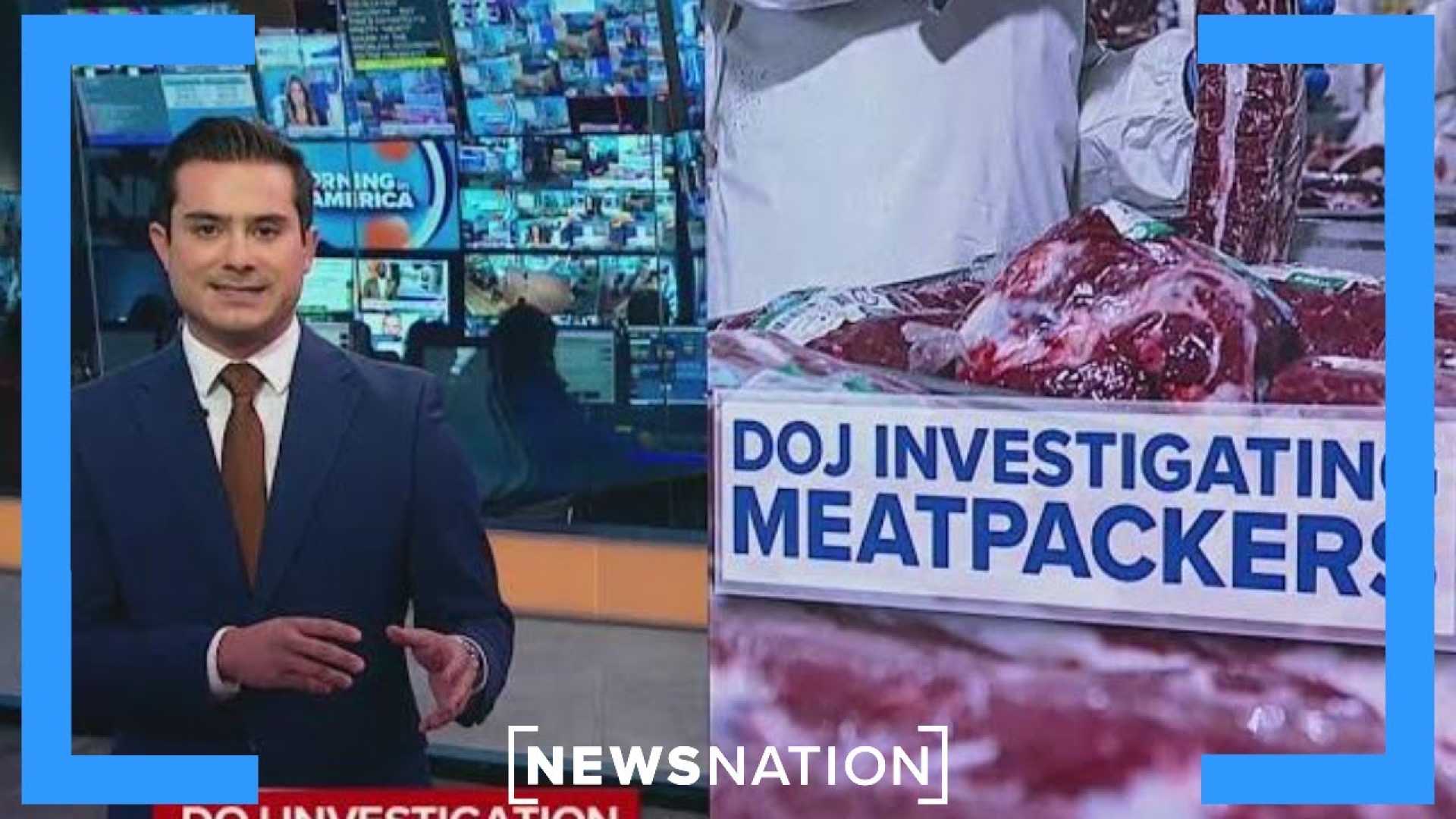
Washington, D.C. — President Trump has directed the U.S. Department of Justice (DOJ) to investigate major meatpacking companies for alleged collusion and price fixing. The announcement was made in a social media post, where Trump argued that “action must be taken immediately to protect consumers, combat illegal monopolies, and ensure these corporations are not criminally profiting at the expense of the American people.”
On November 7, the White House published four claims supporting the investigation. Investigate Midwest fact-checked these claims regarding the dominance of the top meatpackers in the industry and their impact on cattle producers and consumers.
One claim from the Trump administration stated that the ‘Big Four’ meatpackers — JBS, Cargill, Tyson Foods, and National Beef — control 85% of the U.S. beef processing market, a significant increase from 36% in 1980. This claim is true, as USDA data confirms these companies own over 70 meat brands.
Another claim stated that these large meatpackers have negatively affected America’s cattle producers and grocery prices. This statement is partly true. Evidence shows that consolidation has resulted in a decrease in the prices ranchers are paid for cattle. However, a USDA study indicated that such consolidation has also led to lower production costs, which contributed to lower consumer prices.
Beef prices have indeed risen in recent years, with reports indicating a growing margin between cattle prices and retail prices, suggesting enhanced packer margins. Many economic observers attribute these increases to various factors, including labor and transportation costs.
The Trump administration claimed that consolidation has harmed competition and cattle producers. This statement is true; since the 1970s, the cattle supply has increasingly consolidated, with just 12 federally inspected plants accounting for nearly half of the U.S. beef supply as of 2022.
Finally, the administration asserted that monopolization has exploited consumers, farmers, and ranchers. This claim is also partly true, as consumers have faced rising costs for staples. Factors such as inflation and COVID-19 supply chain disruptions contribute significantly to these increases.
These findings illustrate the complex dynamics at play in the meatpacking industry and the challenges faced by both producers and consumers. Disruptions such as the 2021 cyberattack on JBS plants and a fire at a Tyson plant in Kansas continue to raise concerns about the industry’s stability and supply chain vulnerabilities.


