Business
Walmart Marketplace Faces Fraud as Seller Vetting Weakens

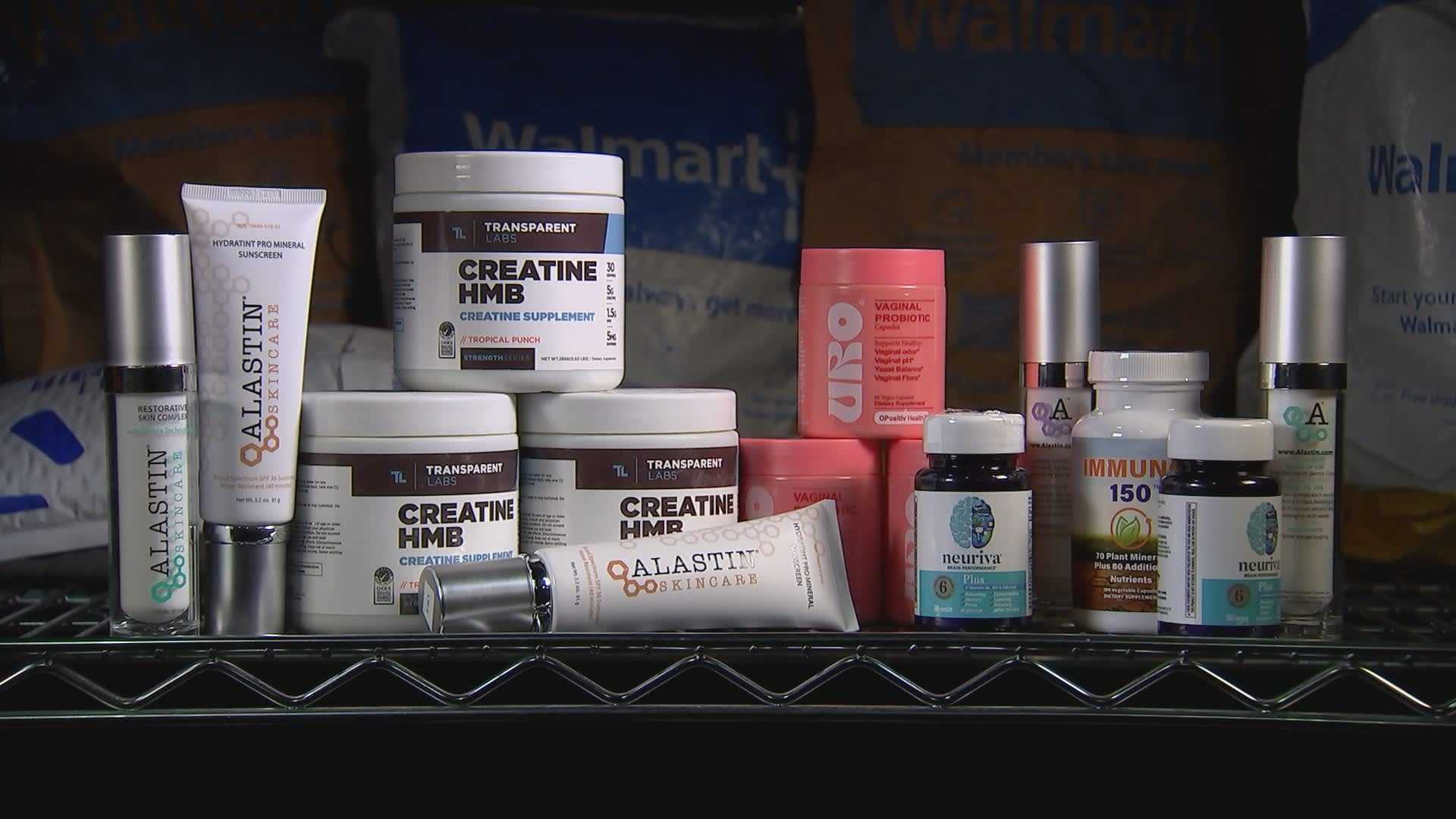
BENTONVILLE, Ark. — Walmart’s online marketplace has encountered serious issues with fake products as it seeks to compete more effectively with Amazon. In an investigation by CNBC, customers have reported receiving counterfeit and potentially dangerous items after shopping from third-party sellers.
Mary May, a customer from Pleasant Shade, Tennessee, bought eight bottles of Neuriva brain supplements from a seller impersonating a legitimate business. Upon receiving the order, May noticed misspellings on the packaging and discrepancies in the appearance of the product. After becoming aware that the supplements were counterfeit, she expressed her disappointment, stating, ‘Walmart betrayed me.’
The retailer has made it easier for third-party sellers to join its platform, leading to a rapid increase in vendors. However, this come with risks. CNBC discovered at least 43 sellers had used stolen credentials to create marketplace accounts, including impersonating well-known businesses.
Elaine Damo, who runs a legitimate business called Lifeworks-ACS, expressed concern after customers accidentally returned counterfeit products to her. Damo said, ‘It’s very disturbing.’ The counterfeit products were traced back to vendors that Walmart’s vetting process had previously allowed entry onto the platform.
Walmart’s online business has seen significant growth, becoming profitable this spring, but the company’s approach to seller vetting has raised red flags. A former Walmart employee, Tammie Jones, revealed, ‘There was pressure from management to approve seller applications, even when I had concerns about the applicant’s credentials.’
In response to the issues raised, Walmart stated that ‘trust and safety are non-negotiable for us.’ They acknowledged the challenge of policing third-party sellers and expressed their commitment to investing in new tools and technologies for better product verification.
Walmart’s digital marketplace is critical for growth, but the findings of counterfeit products and identity theft among sellers highlight a growing concern that may impact consumer trust. The situation has drawn comparisons to Amazon, which has implemented stricter seller scrutiny in recent years.
As the marketplace continues to expand, legal experts suggest that the ongoing debate over liability for harmful products sold by third parties may increasingly target platforms like Walmart, emphasizing the need for stricter vetting processes in the future.


