
News
Beaver Moon and Meteor Shower Set to Dazzle Skywatchers

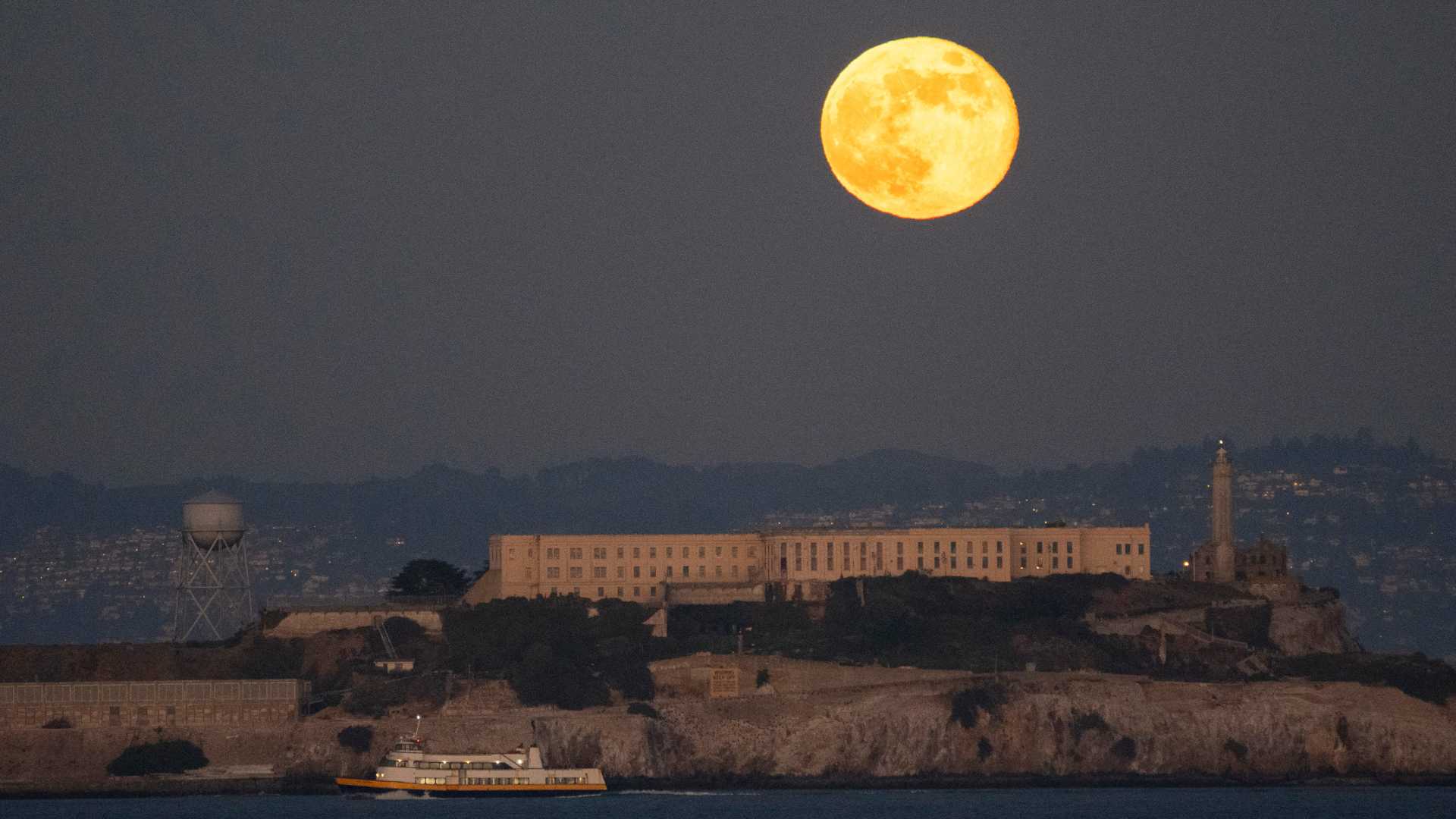
LOS ANGELES, California — A rare celestial event is set to take place this week as November’s full Beaver Moon, also known as a supermoon, peaks on Wednesday, November 5, at 8:19 a.m. ET.
The Beaver Moon is named for the time of year when beavers prepare for winter, and it will provide a striking view in the evening sky. Although the moon will reach its peak during the morning, skywatchers are encouraged to look for it after sunset for the best vantage point.
This supermoon is the second in a trio of supermoons occurring this year. The phenomenon occurs when the moon appears larger because it is closer to Earth, a position known as perigee.
Dr. Alissa Bans, from Emory University’s physics department, explained, “It’s so subtle that the human eye does not pick up the superness of it. But we still give it a fun name.” The full moon is expected to appear its biggest and brightest on Wednesday evening.
If cloudy skies obscure the view, the Virtual Telescope Project will provide a live stream of the moon from Manciano, Italy, starting at 2 p.m. ET.
Additionally, the Southern Taurid meteor shower will peak on the same day at 8 a.m. ET. Though this shower is not known for its intensity, observers can expect to see about five meteors an hour.
Robert Lunsford, fireball report coordinator for the American Meteorological Society, noted, “The entire encounter with Taurids this year is special because we’re predicted to encounter some fresh material that’s a little bit larger than your average Taurid meteor.” This could lead to spectacular fireballs.
For the best meteor viewing experience, experts recommend finding dark areas away from city lights. Although moonlight may obscure visibility, the chance of seeing fireballs remains.
<p“The meteors slightly favor the Northern Hemisphere, but they are visible in both hemispheres,” Lunsford added.
Be sure to check the skies after sunset on November 5 for this double celestial event, which promises to be a breathtaking sight.


