
Business
Chancellor Rachel Reeves Delivers Key Autumn Budget Amid Economic Uncertainty

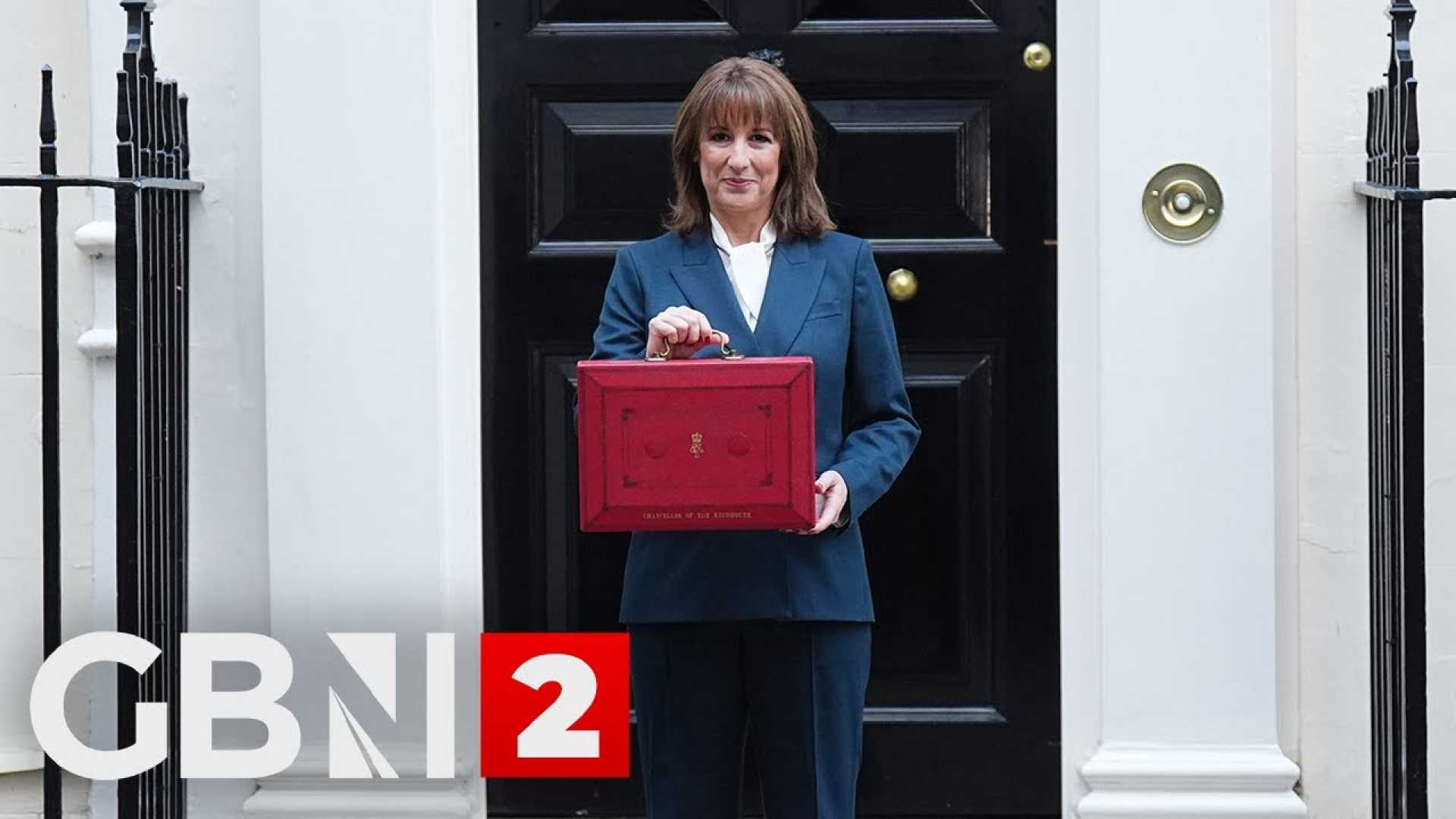
LONDON, UNITED KINGDOM – MARCH 26, 2025: Chancellor of the Exchequer Rachel Reeves left 11 Downing Street to announce the Autumn Budget in the House of Commons on March 26, 2025. This announcement follows an unusual situation where the Office for Budget Responsibility (OBR) released its forecasts ahead of the budget presentation, surprising markets.
Bond yields, which are crucial indicators of government borrowing costs, fluctuated significantly before and after the OBR’s report. Initially, yields on the benchmark UK 10-year gilt fell by 4 basis points before reversing course and rising again, closing at 4.52%. Analysts noted that the U.K. currently has the highest borrowing costs among G7 nations, with its 30-year gilt yield exceeding the critical 5% mark.
In her speech, Reeves expressed disappointment over the OBR’s early release of its economic report, stating it was a “serious error.” The OBR later apologized, emphasizing that the report was published prematurely due to a technical mistake.
The forecasts outlined potential tax-raising measures in the budget, including freezes on income tax thresholds and new mileage-based taxes on electric vehicles. The government plans to implement annual taxes on homes valued above £2 million, impacting many residents in the South East.
As businesses and consumers await the detailed spending and taxation plans, analysts predict that tax increases will raise approximately £26.1 billion by the end of the parliamentary term in 2029-2030. This anticipated increase comes at a time when fiscal maneuvering is crucial, particularly as economists warn of an impending fiscal hole of £20 billion.
The dynamics of the current financial landscape raise concerns regarding the U.K.’s economic recovery. Reeves’ performance in addressing these fiscal challenges could set the tone for her government’s future.
As the budget discussion unfolds, various stakeholders, from businesses to individual taxpayers, will be closely monitoring the implications of Reeves’ policies on the economy and the potential long-term effects on public confidence in the government.


