
News
Air Travel Chaos Continues Amid Ongoing Government Shutdown

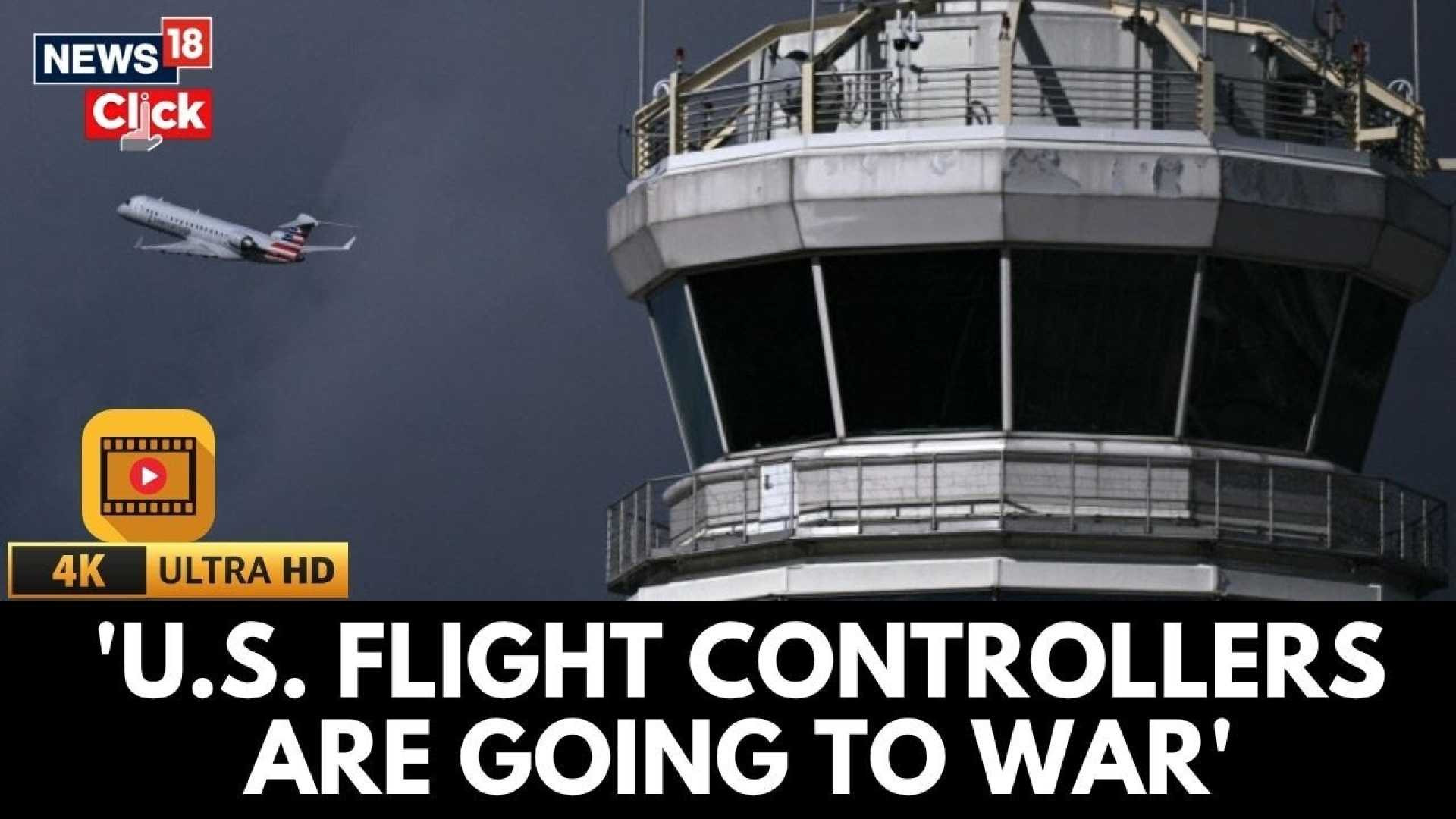
Washington, D.C. — The U.S. government shutdown has dragged on, leading to the cancellation of thousands of flights across the country. Lawmakers are working to finalize a deal to end the deadlock, but experts warn travelers should not expect an immediate return to normal at airports.
As airlines cut flights at 40 of the busiest airports to deal with air traffic controller shortages, uncertainty looms large for travelers. “There’s going to be extensive disruption across the entire nation’s air transportation system,” said Henry Harteveldt, president of a travel analytics firm.
Even if the shutdown concludes soon, the impact on air travel will continue as airlines strive to untangle complex flight schedules and recover from staffing issues that cannot be resolved quickly. “It’s going to be a step-up, phased-in approach to cutting flights,” Harteveldt added.
Major airports like Chicago O’Hare and Los Angeles International are experiencing significant effects, but passengers connecting through smaller airports are also likely to face challenges. Shye Gilad, a Georgetown University professor and former pilot, noted that connecting travelers might be at greater risk for higher fares, fewer options, and longer layovers.
Transportation Secretary Sean Duffy has stated that the Federal Aviation Administration (FAA) is facing a shortage of 1,000 to 2,000 controllers, worsened by a rise in retirements during the shutdown. “Now, up to 15 to 20 a day are retiring,” Duffy said.
Experts predict the disruptions will persist, impacting travel plans as the busy Thanksgiving holiday approaches. “Even if the government reopens, recovery will still take time,” explained Ahmed Abdelghany, an aviation expert.
As travelers grow frustrated with canceled flights, Duffy warned of further travel chaos if the shutdown continues. “Mass chaos, mass flight delays, and potential airspace closures are looming,” he said.
The financial impact will extend to airlines, airport services, and tourism-dependent destinations, as fewer travelers approach these areas.
Amid all the inconveniences, controllers are under immense pressure. Many have taken on second jobs to make ends meet while remaining committed to their duties. They are facing increased workloads and stress levels, leading some to call in sick.
As the situation develops, travelers are urged to stay informed about ongoing cancellations and the potential for delays until staffing requirements can stabilize across the nation’s air traffic control systems.


