
Business
China Imposes Export Controls, Escalating Trade Tensions with US

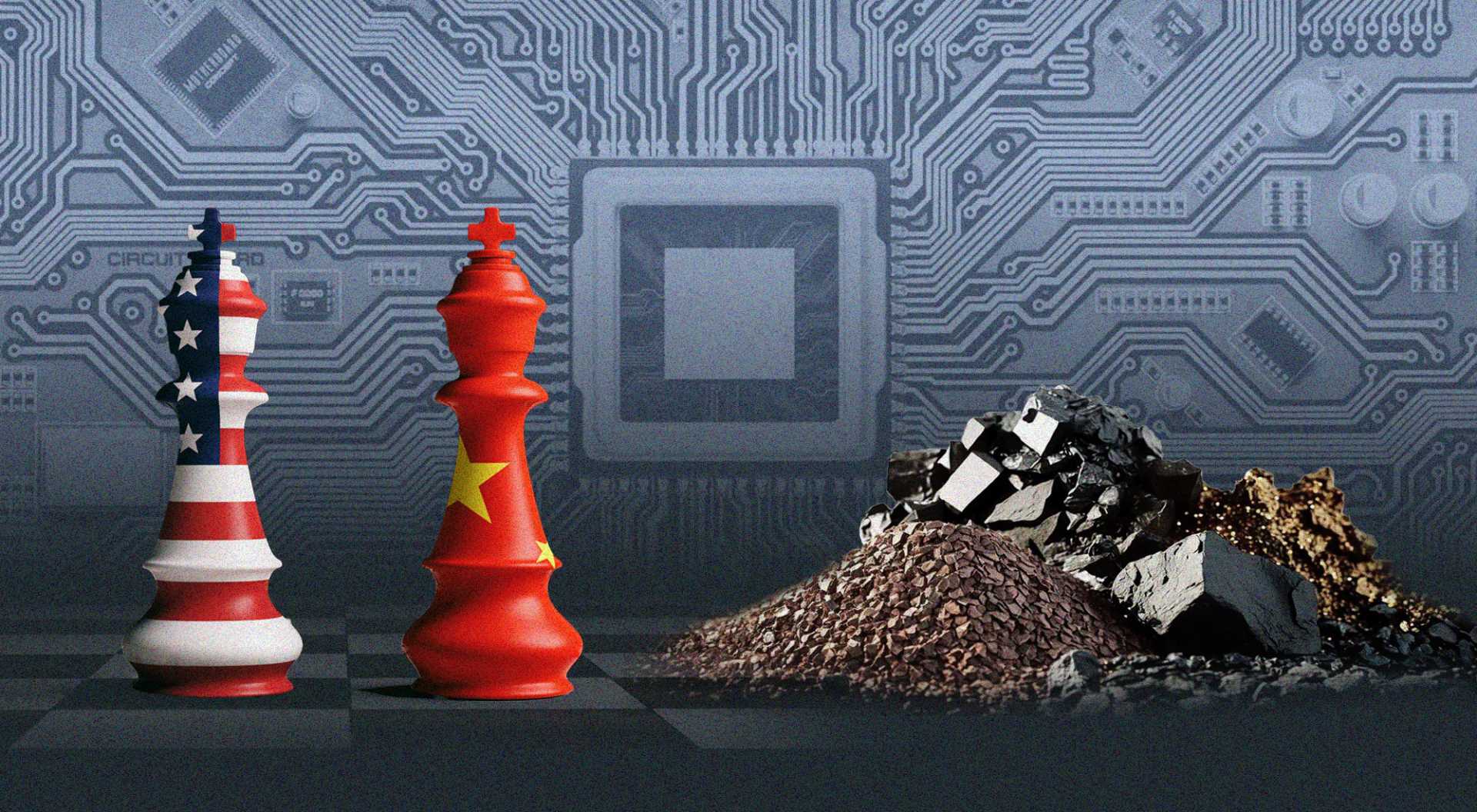
BEIJING, China — In a significant escalation of the ongoing trade war, China announced new export controls on rare-earth minerals and related technologies on October 9. This move has set off alarm bells among global investors and governments.
The restrictions target essential materials used in various industries, including automotive and defense. Permanent magnets, crucial for electric vehicles and military applications, are among the items affected. Additionally, China is limiting the export of technologies needed to process these minerals, which account for a substantial share of the global supply.
In a swift response, U.S. President Donald Trump issued a warning to China, demanding a halt to the new measures by November 1. He threatened to impose additional tariffs of 100% on Chinese goods if they do not comply. During a press briefing, Trump expressed his growing frustration, stating, “I see no reason for a planned meeting with Xi Jinping at the upcoming APEC summit,” although he added that negotiations might still occur.
China’s Ministry of Commerce defended the new regulations, arguing they are necessary to protect global supply chains and maintain national security. In their view, these controls are not outright bans but efforts to ensure responsible trade. They further justified the actions by highlighting the military uses of rare earths, asserting their commitment to world peace while being labeled as “preposterous” by Western diplomats.
The implications of this trade skirmish extend beyond the borders of the two nations, as several countries depend on rare earth exports for various high-tech products. Since April, foreign companies have found it increasingly difficult to navigate the licensing process, with only 19 out of 141 requests from European firms granted by early September.
China’s aggressive stance demonstrates its desire to reinforce its position in the global market. Reports indicate that Chinese exports have surged by 8.3% in September, benefiting from sales to Europe and Southeast Asia, even as exports to the U.S. saw a 27% decline. Analysts are concerned that an intensification of tariffs could lead to severe disruptions in supply chains, particularly for sectors relying on electric vehicles and green technology.
As the deadline for Trump’s threats approaches, the global business community watches closely, anticipating responses from both Beijing and Washington that could significantly impact international trade and relations.


