
News
Deep-sea Mining Test Causes 37% Drop in Marine Biodiversity

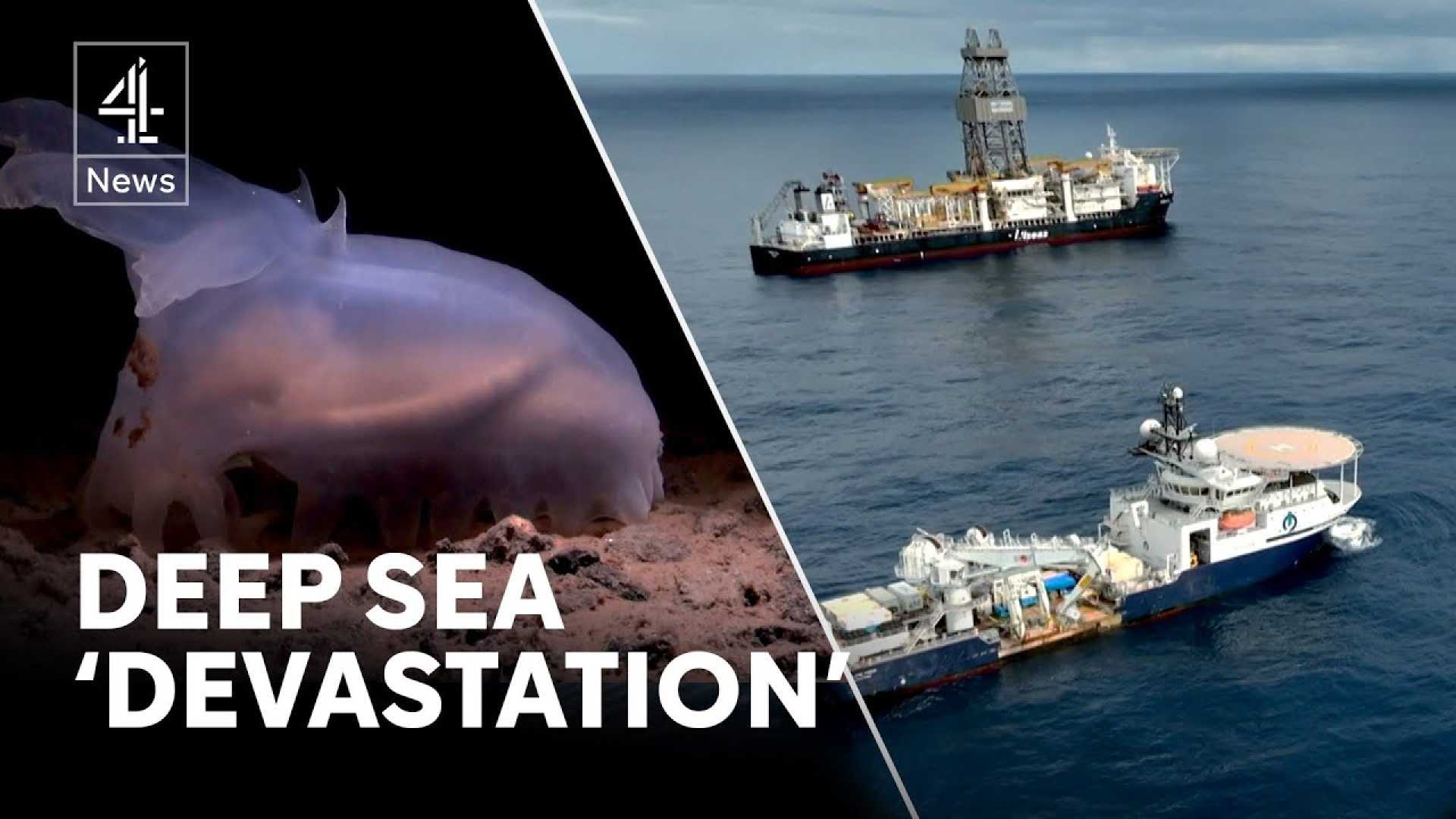
GOTHENBURG, Sweden — A major investigation into the biodiversity of a deep-sea mining area has revealed alarming results. Following tests of a mining machine in the Pacific Ocean’s Clarion-Clipperton Zone, researchers found that the number of marine animals living in the disturbed sediments decreased by 37%. The study also reported a 32% reduction in species richness in areas affected by the mining, highlighting the potentially severe ecological impact of deep-sea mining.
The research was led by scientists from the Natural History Museum, the University of Gothenburg, and the National Oceanography Centre. They utilized the largest species-level dataset ever published for any abyssal region, covering five years of extensive study to analyze the effects of deep-sea mining activities on marine life.
Field tests included over 160 days at sea and the collection of more than 4,350 marine macrofaunal animals from the region. These organisms range in size from 0.3mm to 2cm and include polychaete worms, crustaceans, and mollusks. The study aimed to differentiate the effects of mining from natural environmental changes.
Lead author Eva Stewart, a PhD student at the Natural History Museum, emphasized the importance of understanding these remote ecosystems as the demand for critical metals increases. “Finally, we have good data on what the impacts of a modern commercial deep-sea mining machine might be,” Stewart said.
Dr. Thomas Dahlgren of the University of Gothenburg, who has worked in the region for over 20 years, noted that while the mining machine did not impact animal abundance beyond the immediate mining tracks, changes in species composition raised concerns about the disruption of delicate ecosystems in the area.
Additionally, the study’s findings will inform future policy discussions, particularly with the International Seabed Authority, which regulates deep-sea mining in international waters. A total of 788 species were identified during the research, many of which were previously undescribed.
Despite the commercial interest in extracting metals from the seabed, scientists warn that ongoing assessments of biodiversity are crucial to understand the full effects of mining and to mitigate potential biodiversity loss in these vulnerable ecosystems.
Dr. Adrian Glover, a senior author and deep-sea scientist at the Museum, highlighted that the new research provides essential quantitative data on species-level impacts, hoping it sets a new standard for environmental work in the region. “Currently, we have no idea what lives in the protected areas, which makes it vital to understand the potential risks involved in mining,” he said.


