
Sports
Dodgers, Blue Jays Clash in Anticipated World Series Showdown

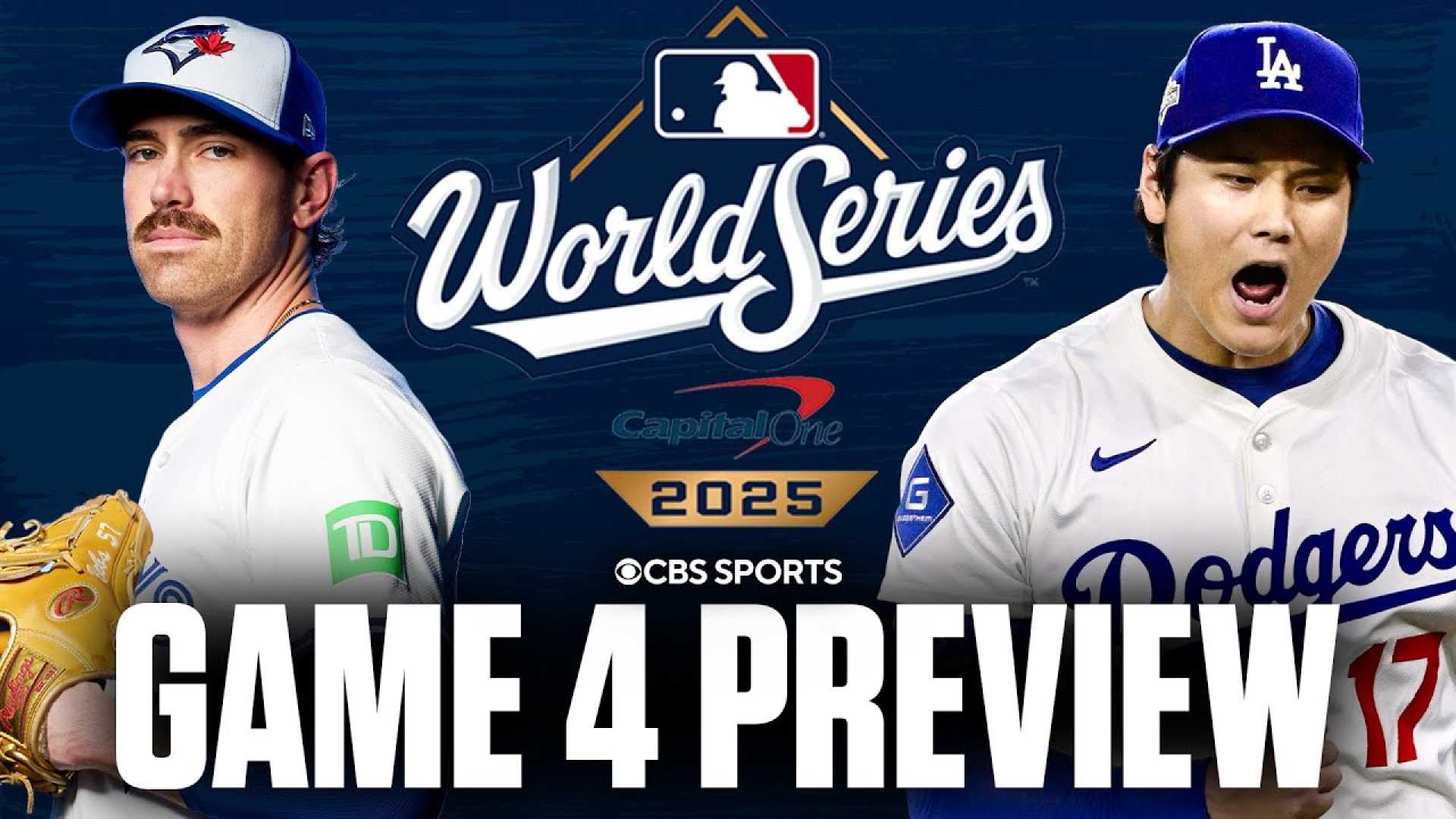
LOS ANGELES, CA — The 2025 World Series will kick off later tonight as the Los Angeles Dodgers face the Toronto Blue Jays in a best-of-seven series. This matchup promises excitement as the Dodgers aim to become the first team to win back-to-back titles since the New York Yankees did from 1998 to 2000. Meanwhile, the Blue Jays are seeking their first championship since winning the World Series in 1992 and 1993.
A narrative gaining traction suggests that a Dodgers victory could lead to tensions around a salary cap in the league, significantly impacting future labor relations. Some believe that a Dodgers win would infuriate other team owners due to their high spending, potentially leading to a severe lockout after the 2027 season.
“I can’t speak to what revenue we’re bringing in, but our ownership puts it back into players, a big chunk of it,” Dodgers manager Dave Roberts stated during the National League Championship Series (NLCS). “That’s the way it should be with all ownership groups.”
The Dodgers are noted for their significant financial commitment, estimated between $331 million and $400 million for their player payroll this year. Their luxury tax payroll is reported at over $400 million, resulting in a tax bill upwards of $154 million. Such spending has spurred discussions among fans and analysts about competitive balance in Major League Baseball.
Despite the Dodgers’ high payroll, the Blue Jays also rank among the highest in the league, securing the fifth spot in recent payroll estimates. The rivalry extends beyond the field, as both teams draw on deep financial resources to compete effectively.
During the playoffs, teams earn a portion of a collective monetary pool linked to ticket sales. The Dodgers, noted for generating substantial ticket revenue, shared approximately $46.5 million from a record pool last year, resulting in a per-player share of $477,441 in 2024.
As the World Series progresses, the financial stakes remain high, not just for the teams involved, but for the players seeking to capitalize on the postseason rewards. The payout structure gives hefty bonuses to winning teams, with the champion receiving 36% of the playoff pool.
This year’s series not only holds the potential for a thrilling baseball showdown but also the underlying financial implications that could reshape the future relationship between players and team owners.


