
Business
DTE Energy’s Control Over Zug Island Challenged in Federal Trial

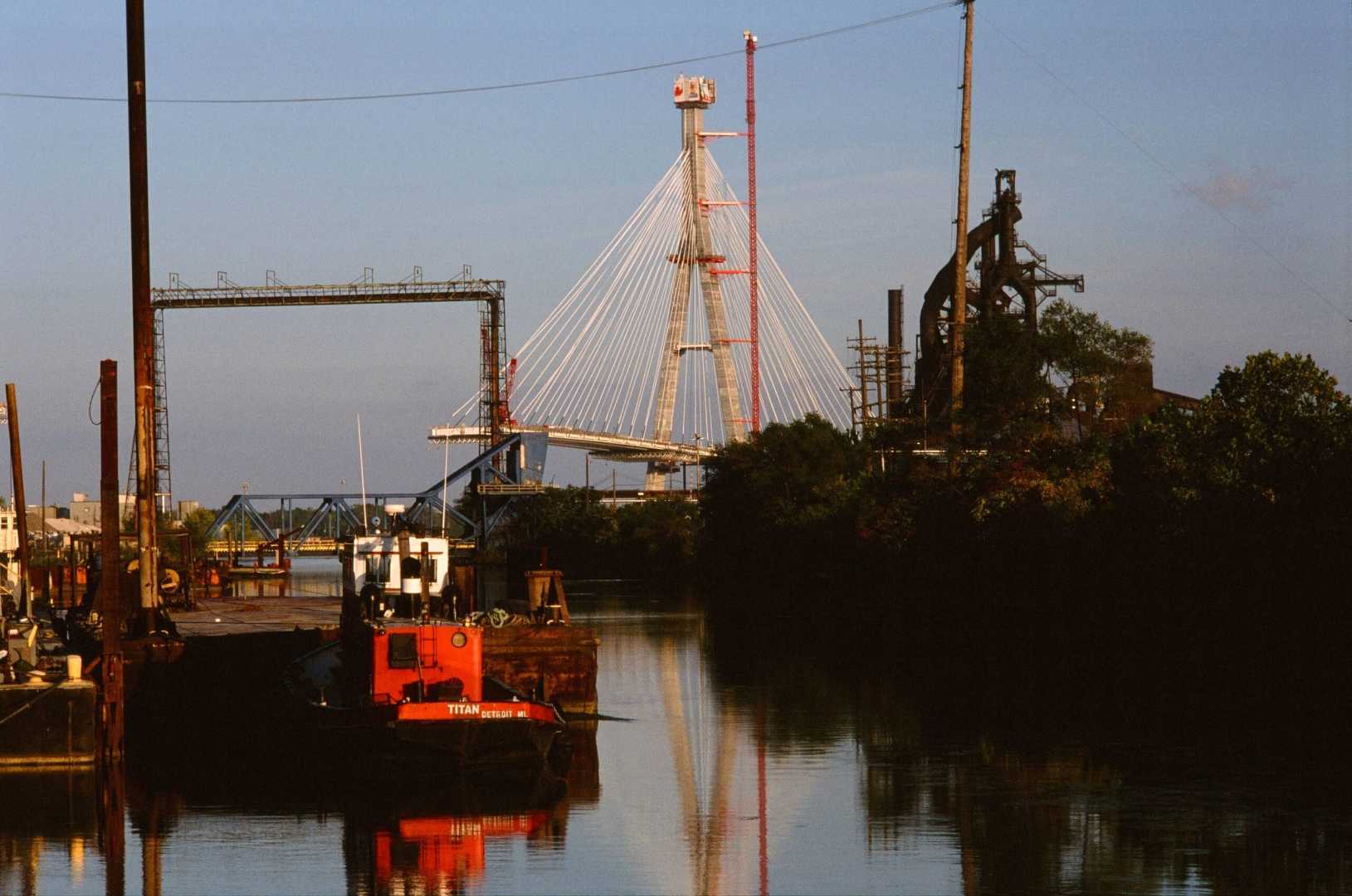
DETROIT, Mich. — DTE Energy‘s control over its Zug Island subsidiary, EES Coke Battery, is facing significant scrutiny during a federal trial that began Monday. The Environmental Protection Agency (EPA) is alleging that the facility violated the Clean Air Act, leading to substantial economic benefits for DTE Energy between $70 million and $94 million during this period of noncompliance.
The trial opened with testimony from expert witness Dan Leistra-Jones, a principal at Industrial Economics. He highlighted the relationship between DTE and EES Coke Battery, stating that DTE does not act as a distant investor but is heavily involved in environmental decision-making at the facility. “The extent of services provided is unprecedented,” he said in court.
U.S. District Judge Gershwin Drain had previously ruled that DTE Energy is indeed an operator of EES Coke Battery, dismissing DTE’s argument that it should not be held liable for violations committed by its subsidiary. DTE Energy was named as a defendant in the case last year.
According to Leistra-Jones, DTE Energy Services has maintained high control over EES Coke Battery, managing daily operations and ensuring compliance with environmental regulations. He cited a range of documents as evidence of this relationship, including internal emails and financial statements.
“It’s unusual for a company to rely exclusively on its parent company,” Leistra-Jones noted, emphasizing the central role DTE played in the 2014 permit revision that precipitated the EPA’s action.
U.S. attorney Samantha Ricci mentioned that potential remedies for the Clean Air Act violations will be discussed in the upcoming days. These could include pollution control measures such as desulfurization and the installation of home air purifiers, as highlighted by Sierra Club attorney Mary Rock during her opening statement.
The government is seeking injunctive relief and penalties of up to $109,024 per day for each violation attributed to EES Coke Battery and DTE Energy. They argue that the subsidiary should suspend operations until it achieves full compliance with environmental regulations.
In addition, epidemiologist Joel Schwartz from Harvard T.H. Chan School of Public Health is expected to provide expert testimony this week regarding the health risks associated with emissions from the Zug Island facility.


