
News
Edmund Fitzgerald’s Legacy Thrives on 50th Anniversary of Sinking

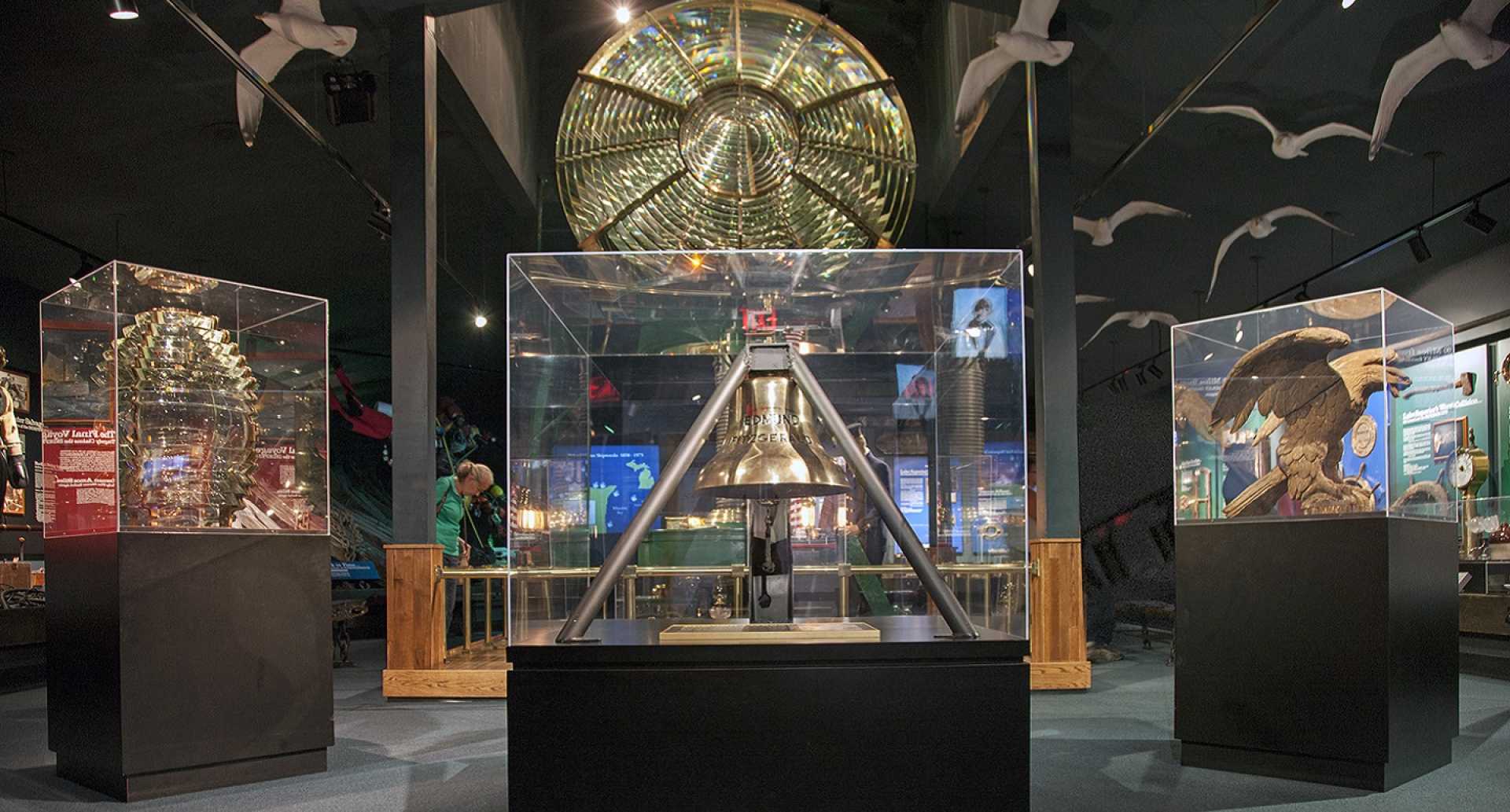
UPPER MICHIGAN (WLUC) – The Edmund Fitzgerald remains an enduring symbol for residents of the Great Lakes. As the 50th anniversary of its sinking approaches, The Great Lakes Shipwreck Museum reports a surge in visitors. Typically, attendance declines in autumn, but Executive Director Bruce Lynn has noticed a different trend this year. “2025 at the museum has been amazing as far as attendance goes,” he said. “A strong percentage of visitors want to learn more about this shipwreck.”
The museum at Whitefish Point houses the bell of the Fitzgerald, one of the only artifacts retrieved from its wreck site. Other relics found in the lake or washed ashore contribute to the museum’s display honoring the Fitzgerald. The Canadian government recognizes the wreck as a grave site, elevating it to a sacred status. “A grave is a grave, on land or at sea,” read a poem at a 1995 ceremony. This designation reminds others of the perils that still exist on the Great Lakes.
Maritime Historian Frederick Stonehouse shared that the tragedy of the Fitzgerald has had a lasting impact on shipping practices in the region. “Two genuine changes came out of the Fitzgerald tragedy,” he stated. He noted that advancements in technology have improved navigational systems significantly. Additionally, he highlighted a new caution among crews, who now avoid sailing in harsh weather conditions.
Stonehouse credited the National Weather Service as a major benefactor of the incident, mentioning the establishment of over 50 weather buoys on the Great Lakes, enhancing weather monitoring and forecast precision.
With its legacy, the Fitzgerald has inspired countless artistic expressions. Canadian singer-songwriter Gordon Lightfoot reflected on his song about the ship during the 1995 bell ceremony. “It’s a good song to perform and a good song to play,” he said. “I’m happy the song came out the way it did.” Lightfoot also quoted lines from his ballad, emphasizing the significance of the Fitzgerald story.
Marquette Maritime Museum Director Hilary Billman emphasized the importance of Lightfoot’s song in keeping the Fitzgerald’s legacy alive. “It really does go back to the song somehow,” she said. “It was a horrible loss of life, but we remember it more because of the song.”
Mike Fornes, a tribute artist, shared insights from Lightfoot about the process of creating the song, recalling how it emerged on a windy night from a blend of personal memory and news reports of the disaster. Lightfoot’s commitment extended beyond music; he established scholarships for two students from the Great Lakes Maritime Academy each year since 1976.
The annual bell ringing ceremony, which has taken place since 1995, connects families affected by the tragedy, bringing emotional closure. “It gives you a closeness with everyone who has the same feelings,” said a family member of a crew member. “It was very, very emotional.”
The ongoing legacy of the Fitzgerald transcends the 29 lives lost that fateful day in 1975. “When we honor Fitzgerald and her crew, we are paying homage to all of the other 6,500 ships,” Stonehouse stated, highlighting the deep cultural reverberations of this maritime disaster. The 50th anniversary observance will be featured on TV6+ next Monday, November 10.


