
News
Florida’s Coral Reef Faces Functional Extinction Crisis

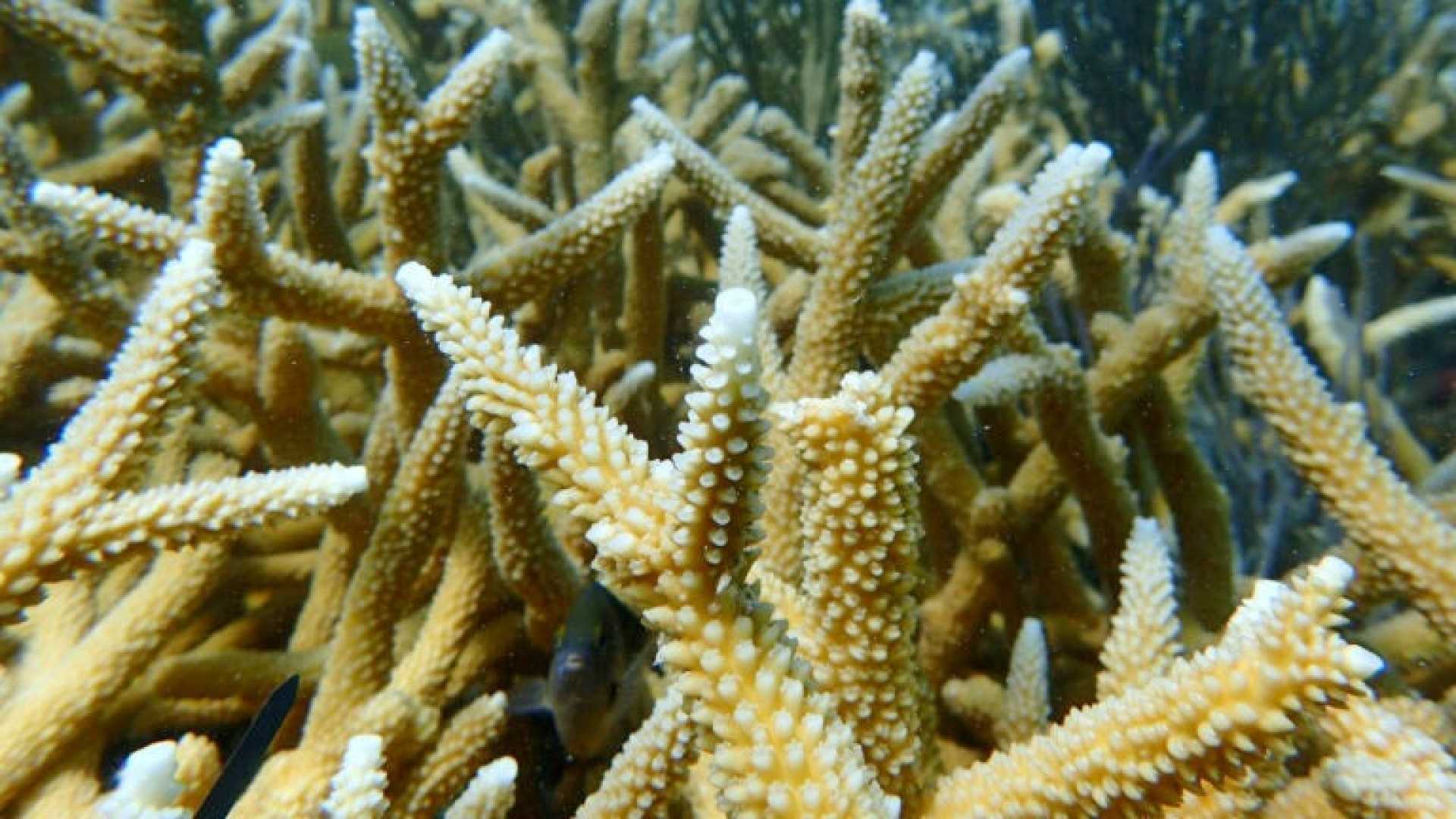
KEY LARGO, Florida — Florida’s marine ecosystem is facing a dire threat as two species of coral are now considered “functionally extinct.” A new study published this week revealed that the elkhorn and staghorn corals, once vital to the Florida Keys‘ marine life, have experienced catastrophic declines due to unprecedented ocean temperatures.
Following a record heat wave in 2023 that saw water temperatures soar above 93 degrees Fahrenheit, researchers reported a staggering loss of 97.8% to 100% of these coral species. Derek Manzello, a coral researcher with the National Oceanic and Atmospheric Administration, led the study highlighting the impact of the extreme marine heat wave, stating, “What we saw happen was an extreme heat wave where conditions surpassed the thresholds of survival of an entire species — two species — across Florida’s coral reef. We were in shock.”
The fall of these corals is alarming for numerous reasons. Both elkhorn and staghorn corals play crucial roles in marine ecosystems, providing shelter and food for various fish species, including popular fish for local fisheries. Additionally, they contribute significantly to coastal protection during hurricanes by reducing wave energy.
A 2019 government study estimated that coral reefs, which include more species beyond staghorn and elkhorn, help mitigate around 97% of wave energy, consequently protecting coastal areas from flood damage. Now, with these corals mostly dead, Florida’s coast is more vulnerable to storms, leaving both marine life and local communities at risk.
Climate change plays a pivotal role in this ecological crisis. As the planet continues to warm, the intensity and frequency of marine heatwaves are expected to increase, further endangering coral ecosystems worldwide. Marine biologist Olivia M. Williamson remarked, “The rapid decline of staghorn and elkhorn corals is an indicator of a much larger environmental issue. Without immediate action, we risk losing the entire coral ecosystem and the invaluable services it provides to humans and marine life alike.”
As conservation efforts continue, experts stress the need for public awareness and policy change to address climate change and protect remaining coral habitats. “We need to do something to throw corals a lifeline,” Manzello concluded. “We can’t just stop and say, ‘Oh, the federal government isn’t doing what we’d like to see happen, so we’re just going to give up.’ We have to keep trying.”


