
Business
Global Markets Dip After Trump-Xi Meeting, Yen Falls Amid BOJ Decision

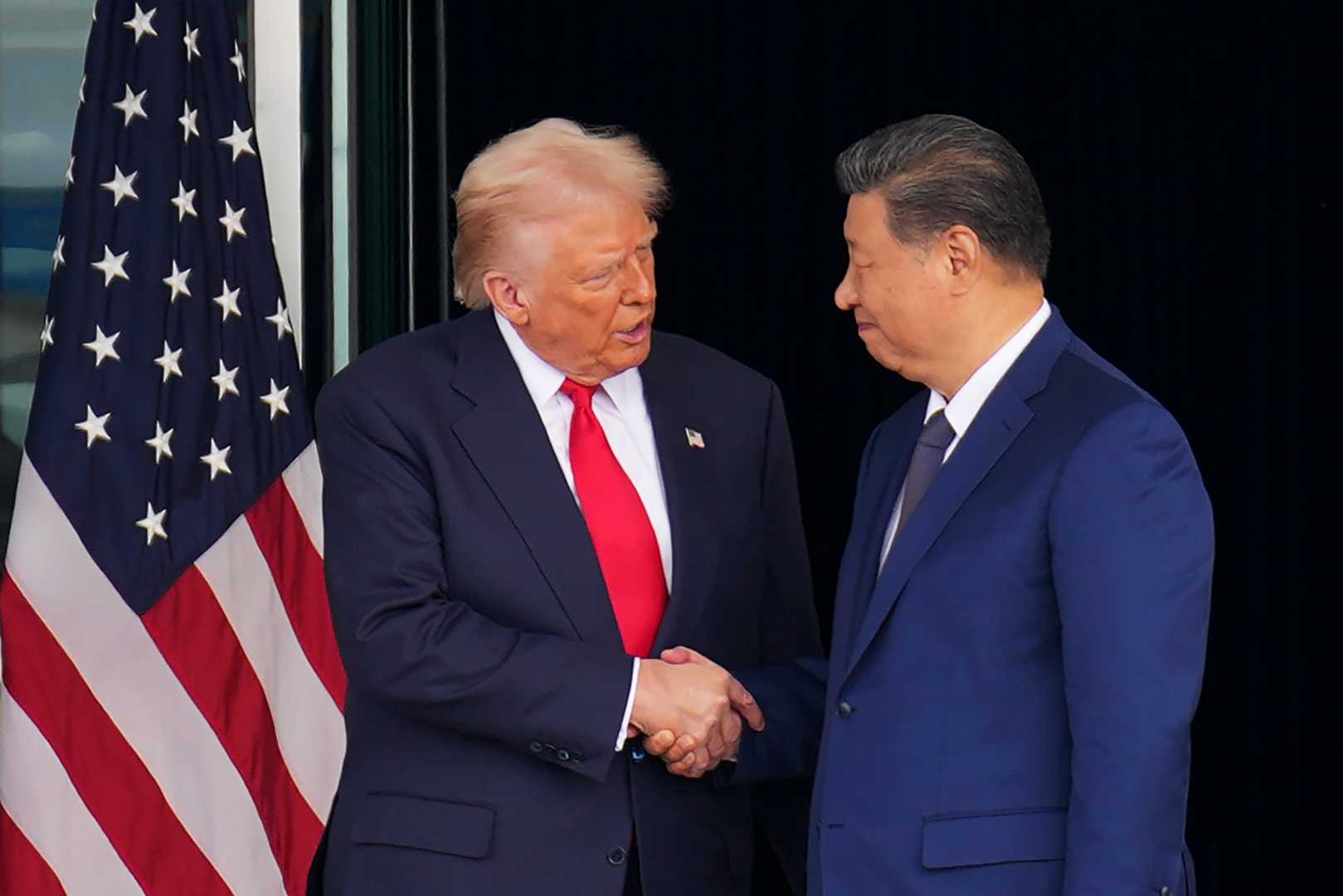
LONDON, Oct 30 (Reuters) – Global shares dipped on Thursday as investors exercised caution following U.S. President Donald Trump‘s meeting with Chinese President Xi Jinping. The dollar rose against the yen after the Bank of Japan kept interest rates unchanged.
After a near two-hour discussion, Trump stated he had agreed to reduce tariffs on imports from China in return for Beijing resuming U.S. soybean purchases and cracking down on fentanyl trafficking. Xi, in comments reported by Chinese state media, urged further cooperation. The Chinese Commerce Ministry later announced a pause on some countermeasures for a year.
Despite these developments, equity markets fell as traders worried the agreement may not hold. Past negotiations have often started with promise before facing setbacks. Stocks took a hit as disappointing earnings from major U.S. tech companies like Microsoft and Meta impacted investor sentiment, with shares down 3% and 7%, respectively, in premarket trading.
The STOXX 600 index in Europe dropped by 0.3%. Chris Scicluna, head of economic research at Daiwa Capital Markets, noted, “A good Trump/Xi meeting was in the price for a while now…we’ve simply got confirmation of that.”
In the currency market, the dollar edged lower against most major currencies except for the yen after the Federal Reserve cut interest rates on Wednesday. However, Fed Chair Jerome Powell indicated that another cut in December was uncertain, which led to higher Treasury yields and supported a stronger dollar.
Traders now estimate about a 70% chance of a further quarter-point cut from the Fed this year, down from nearly 90% earlier on Wednesday. The yield on the U.S. 10-year Treasury bond rose to a three-week high at 4.0776%. The dollar index, which tracks the greenback against six major currencies, rose 0.1% to 99.075, nearing two-week highs.
Meanwhile, the Bank of Japan (BOJ) held its policy rate at 0.5% as expected but reiterated its commitment to gradually raise rates if economic conditions allow. The BOJ’s cautious stance contributed to the yen’s drop to an 8.5-month low against the dollar and an all-time low against the euro.
“The market wasn’t expecting a hike anyway, but I think the market was kind of disappointed that the number of dissenters remained at two,” said Sim Moh Siong, a currency strategist at Bank of Singapore.
In a broader market view, stocks remain choppy while currencies and bonds exhibited muted movements as aspects of the Trump-Xi meeting unfolded. Many investors saw the outcome as a tentative positive, but concerns linger regarding the stability of U.S.-China trade relations.
Vincent Chan, a China strategist at Aletheia Capital, remarked, “The bottom line is that China and the U.S. are probably the most important strategic competitors of each other in the global context. Any agreement will be unstable…both sides could change.”
Overall, the dollar maintained most of its overnight gains, remaining close to a two-week high at 99.10. The euro gained 0.16%, trading at $1.1618, while the Australian dollar climbed slightly to $0.6582.


