
News
New Study Reveals Many Dog Breeds Share Ancestry with Wolves

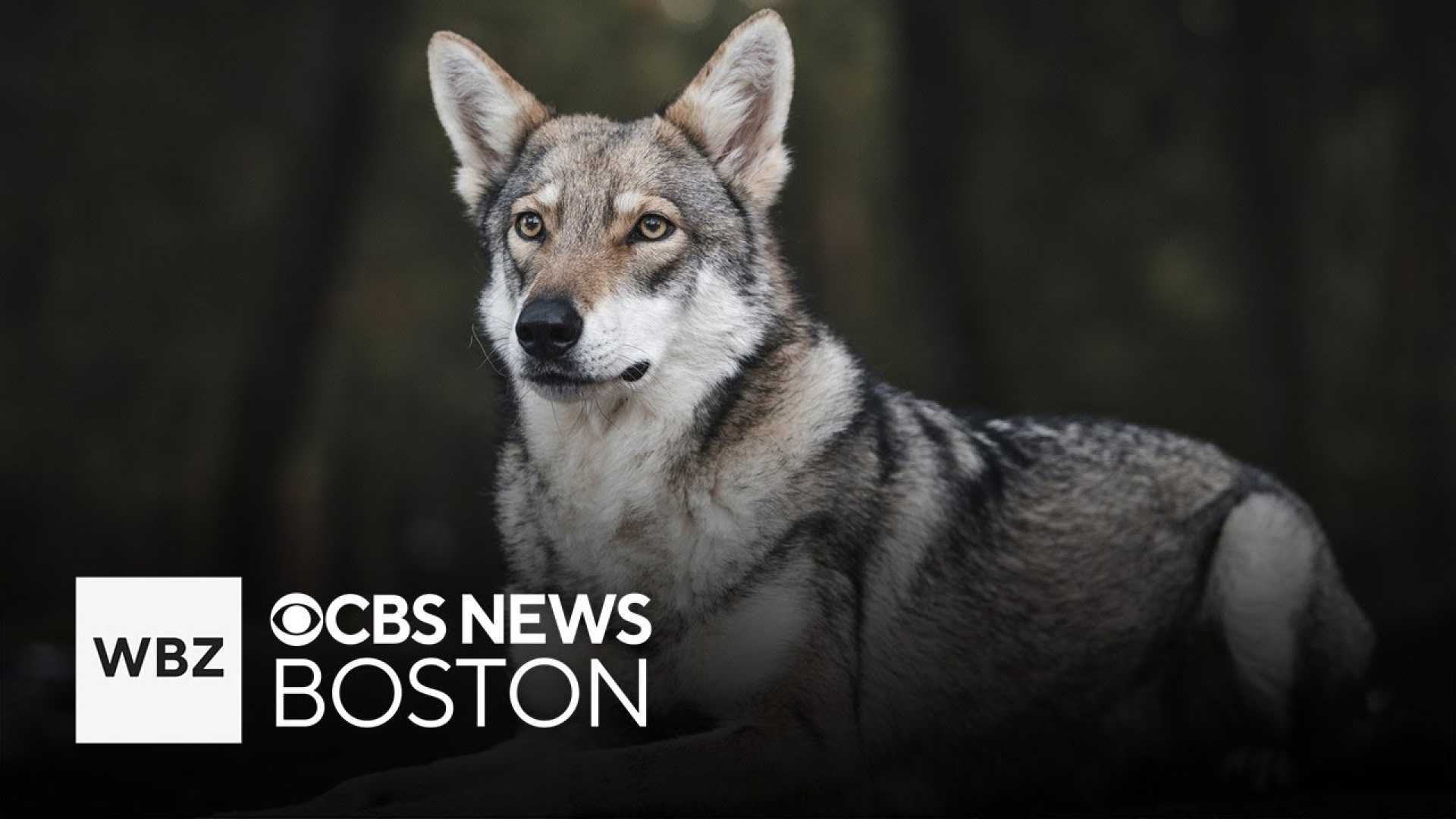
NEW YORK, USA — A groundbreaking study led by scientists at the American Museum of Natural History and the Smithsonian’s National Museum of Natural History has found that nearly two-thirds of modern dog breeds carry detectable wolf DNA. The study was published on November 24, 2025.
The research indicates that although dogs were domesticated from wolves over 20,000 years ago, the wolf genetic material identified in today’s dog breeds likely comes from interbreeding that occurred several thousand years ago. This revelation reshapes our understanding of dog evolution.
“The majority of dogs today have low, but detectable levels of post-domestication wolf ancestry that has shaped their evolution and conferred unique advantages to their survival in diverse human environments,” said lead author Audrey Lin, a Gerstner Postdoctoral Scholar in Bioinformatics and Computational Biology.
The study found that 64 percent of current dog breeds have traceable wolf DNA, with even Chihuahuas containing about 0.2 percent. The Grand Anglo-Francais Tricolore hound exhibits the highest wolf ancestry among pet dogs, with approximately 5 percent, followed by Salukis and Afghan hounds.
Conversely, some breeds, such as Saint Bernards, showed no wolf ancestry, suggesting they evolved with minimal contact with wolves. The study also indicated that Arctic sled dogs and hunting breeds are more likely to possess wolf DNA, while terriers and scent hounds are less likely to share such ancestry.
The scientists analyzed thousands of dog and wolf genomes from publicly available databases to arrive at their conclusions. “This was surprising, as prior science suggested minimal wolf DNA was present for a dog to be considered a dog,” Lin said.
Logan Kistler, a curator at the Smithsonian Museum of Natural History and co-author of the study, emphasized that the wolf DNA impacts various traits in dogs, including size, scent ability, and temperament. Kistler pointed out that wolves are not regularly entering homes to breed with pet dogs.
The research findings reveal that dogs and wolves may interbreed under certain conditions, particularly when environmental changes disrupt wolf pack dynamics. Overall, the study sheds light on the complex genetic history of domestic dogs and their wild counterparts, highlighting the continued influence of wolf ancestry in modern canines.


