
News
SpaceX Successfully Launches 21 SDA Satellites from California

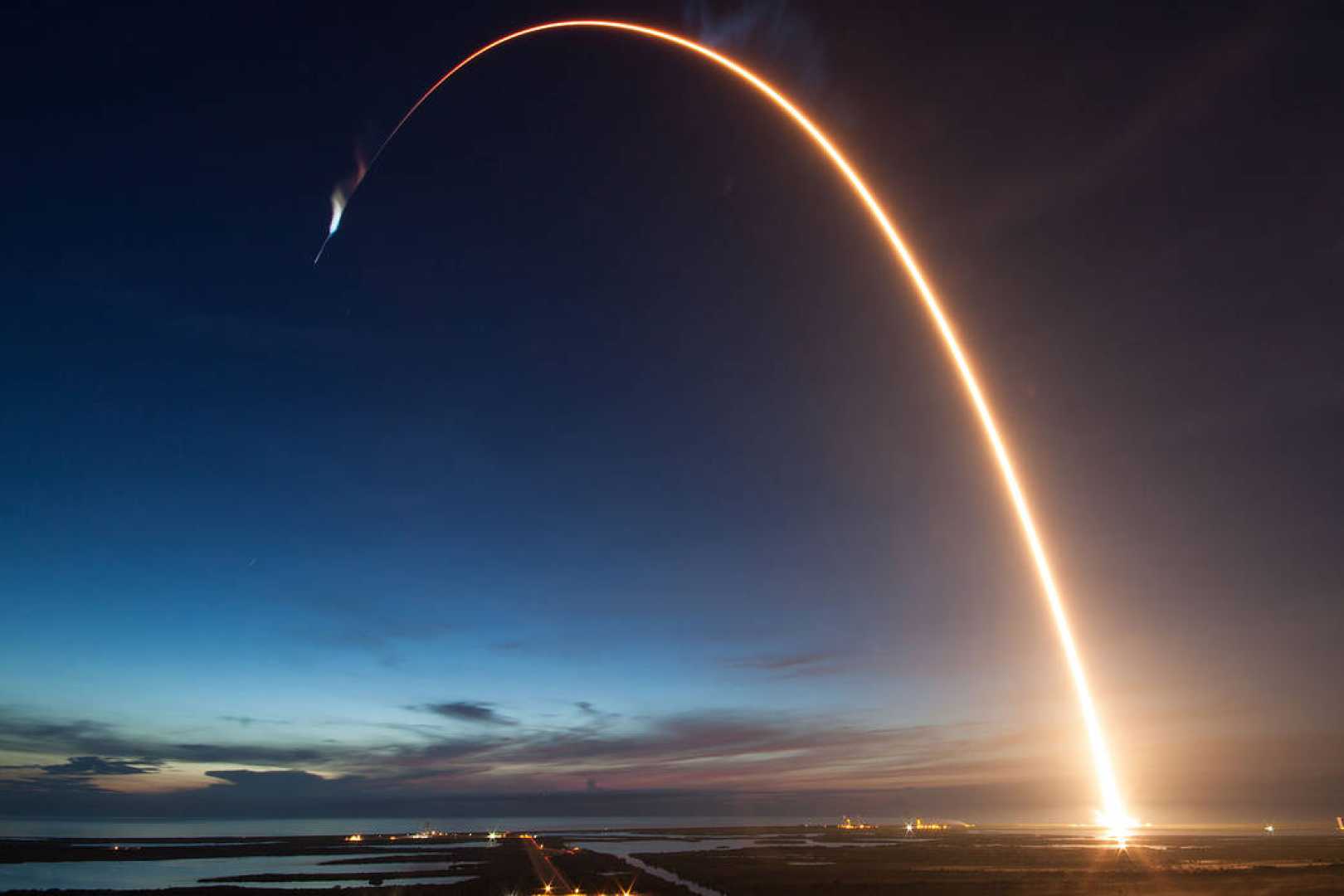
VANDENBERG SPACE FORCE BASE, California — SpaceX successfully launched its Falcon 9 rocket on Wednesday, October 15, 2025, at 4:06 p.m. PDT (7:06 p.m. EDT). The mission deployed 21 satellites for the Space Development Agency‘s Tranche 1 Transport Layer C.
This launch is a significant step for the Space Development Agency (SDA), which aims to establish a resilient satellite network to support critical military operations. These 21 satellites are part of a larger constellation expected to enhance capabilities for military communications and missile warning.
Before the launch, SpaceX faced a weather scrub on Tuesday. However, conditions improved, allowing the booster, designated B1093, to lift off from Space Launch Complex 4 East. This mission marked the second of ten launches already booked by the SDA.
“Our goal over the past six and a half years is to deliver capability to the warfighter,” said Gurpartap Sandhoo, SDA’s deputy director, during a media roundtable. The agency is developing a Proliferated Warfighter Space Architecture to enhance communication and tracking capabilities for the military.
Nearly nine minutes post-launch, the first stage booster B1093 successfully landed on the drone ship ‘Of Course I Still Love You’ stationed in the Pacific Ocean. This event marked SpaceX’s 49th flight from California this year.
The satellites were manufactured by Lockheed Martin and will join 21 others launched earlier by York Space Systems as part of the same constellation. This growing satellite infrastructure is set to support advanced military operations and enhance the defense posture of the United States.
The deployment of these satellites illustrates the escalating pace of satellite launches by SpaceX, both for commercial and governmental purposes. The SDA plans to send more satellites into orbit, with roughly one mission scheduled each month.
“It’s like any new capability that goes into the fleet, it takes time, effort, and experimentation to get fully operational,” Sandhoo added. The SDA anticipates that these satellites will provide essential functions for military users within four to six months following the launch.


