
Business
Thanksgiving Week: Stocks Show Modest Gains, Consumer Spending Surges

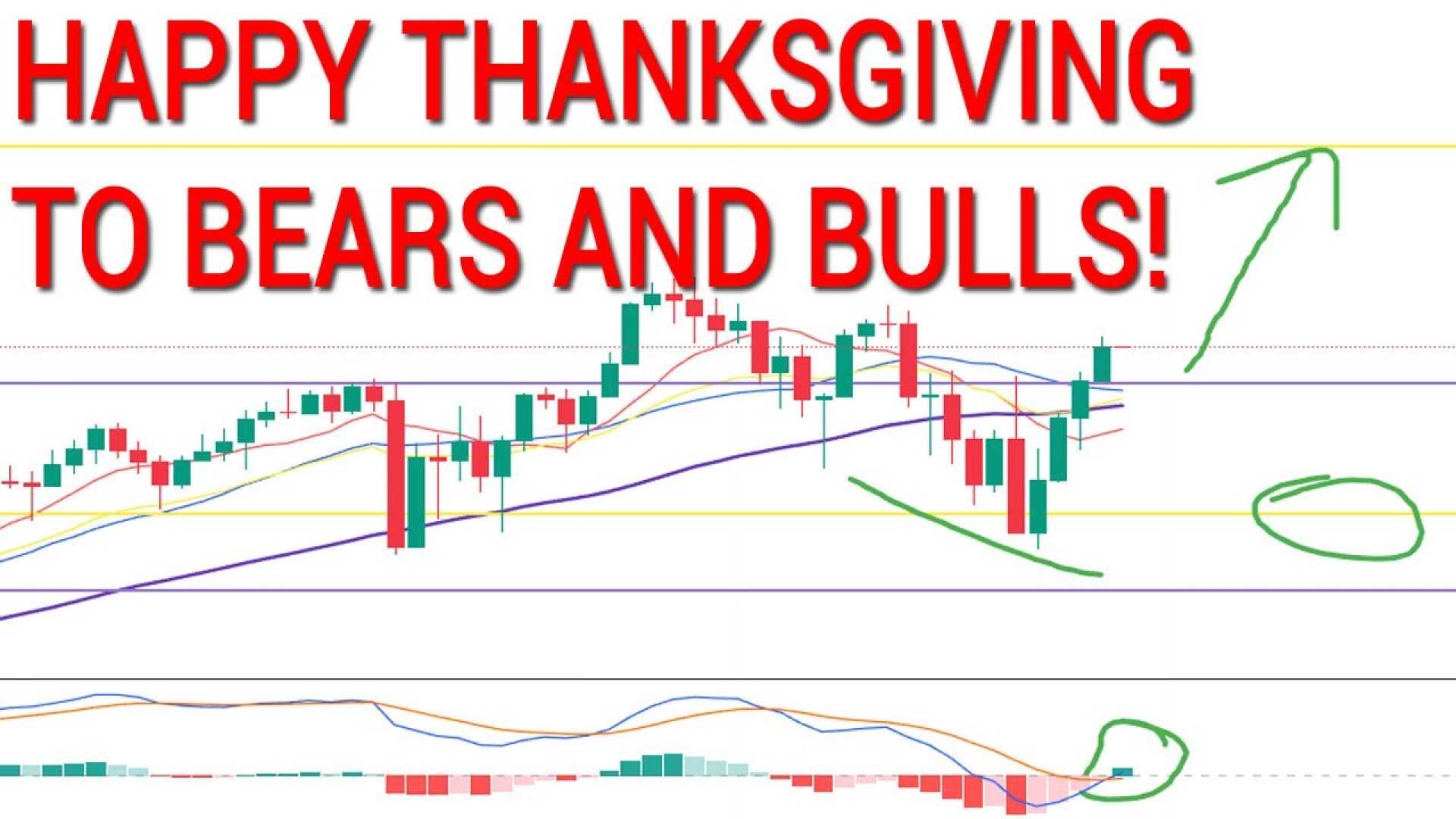
NEW YORK, U.S. — Thanksgiving week has historically been a mixed bag for investors, as stock performance shows small upward trends, particularly on the Wednesday before and Black Friday. Since 2000, stocks have increased in value during Thanksgiving week about 56% of the time. The broader market has had positive results roughly 60% of the time in the same period.
Analysts note that the biggest gains typically occur on lighter trading days, which include the day before Thanksgiving and the half-day trading session after, known as Black Friday. The average increase for the Dow Jones Industrial Average during Thanksgiving week is approximately 0.3%, a modest rise that reflects overall market behavior during low-volume trading periods.
This year, market sentiment appears tempered by varying economic indicators and consumer confidence. According to Adobe Analytics and the National Retail Federation (NRF), retailers anticipate record spending this year. Adobe projects a 5.3% increase in holiday sales, while NRF estimates total sales will exceed $1 trillion for the first time.
Despite optimism for consumer spending, Cyber Monday has historically brought disappointing results for the stock market, with the Dow typically falling about two-thirds of the time over the last 25 years. However, declines have averaged just 0.4%.
The U.S. stock market observed a closure for Thanksgiving Day and will reopen for a half-day on Friday, November 29, closing at 1 p.m. Eastern Time. Traders are navigating through mixed economic data and uncertainties, including concerns regarding inflation and potential interest rate changes.
The “holiday effect,” which often boosts stock performance in December, looms over traders as they watch for significant shifts during Thanksgiving week. Historically, stocks have gained about 80% of the time as December signals increased consumer spending.
Interestingly, the term “Black Friday” originated in 1960s Philadelphia, coinciding with the influx of tourists for the Army-Navy football game after Thanksgiving. Retailers leveraged the crowds by offering major sales, establishing a tradition that has persisted.
While often viewed as a testing period for retail stocks, Thanksgiving week activities indicate minor market fluctuations rather than major shifts. Investors are reminded that year-end positioning and holiday shopping behavior can have lasting implications on market conditions beyond Black Friday.


