
Business
U.S. TikTok Ban Looms, Music Industry Faces Uncertain Future

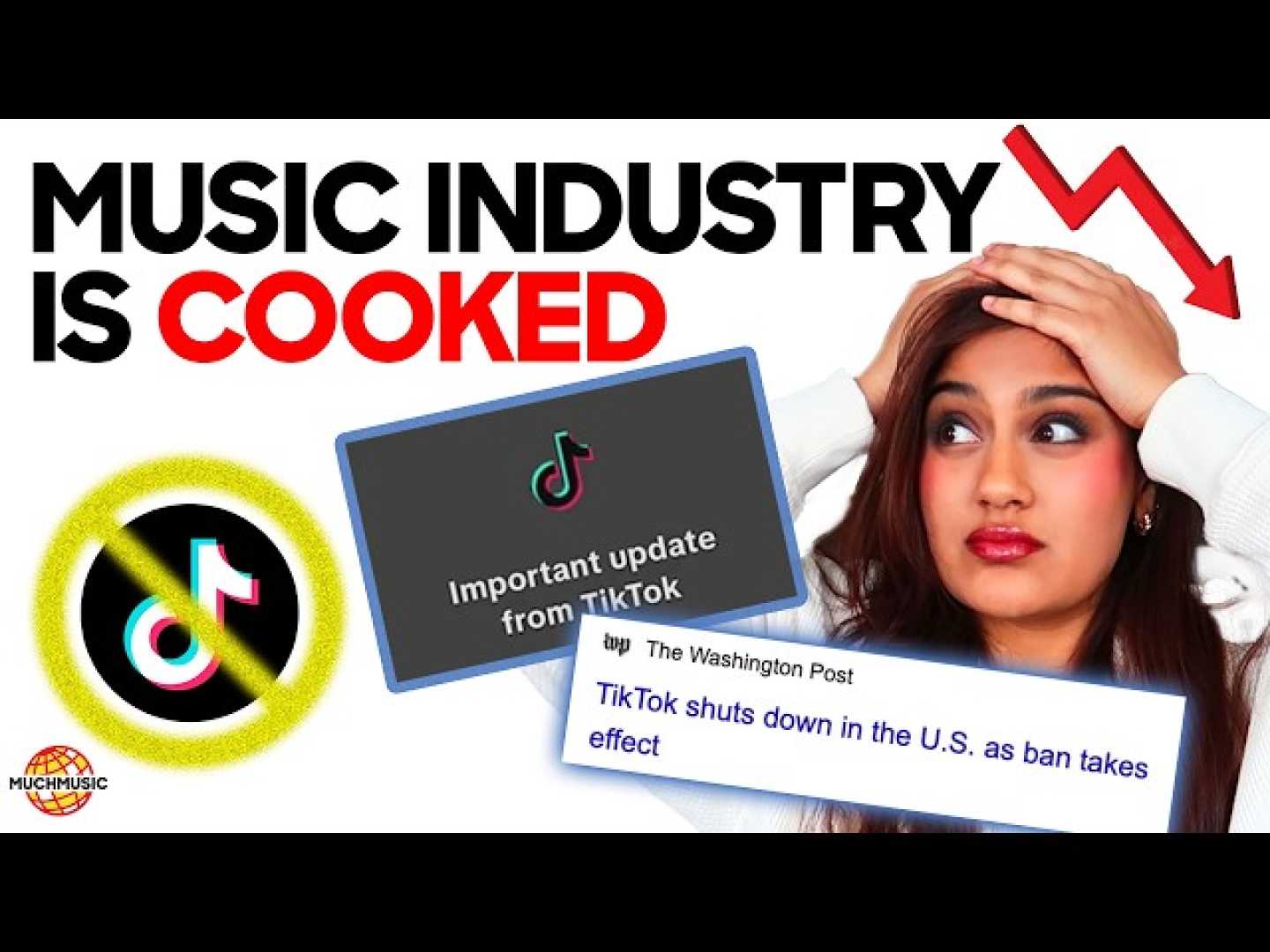
LOS ANGELES, CA — The U.S. government’s ban on TikTok will officially go into effect on September 17, raising questions about the future of the popular app and its parent company, ByteDance. Music creators and fans are particularly anxious, as TikTok has significantly shaped the music industry.
According to a report commissioned by TikTok and produced by Luminate, 84% of the songs on last year’s Billboard Global 200 first gained popularity on TikTok. The potential shutdown of the app creates uncertainty for music discovery, which has become increasingly reliant on the platform.
Despite concerns, a recent survey by Luminate indicated that users’ passion for music will likely persist even if TikTok disappears. Approximately one-third of U.S. social media users surveyed reported using TikTok primarily for discovering new music. However, 35% of these users expressed being ‘very upset’ about the impending ban.
Interestingly, many music-focused TikTok users are prepared to switch to other platforms if necessary. YouTube Shorts and Meta‘s Reels are poised to benefit from TikTok’s ban. Around half of the users who primarily engage with music content on TikTok said they would likely spend more time on YouTube Shorts and Instagram Reels if TikTok is banned.
Both YouTube and Instagram have been proactively improving their music discovery features, making them attractive alternatives. YouTube launched a music-focused initiative for Shorts last year, while Instagram introduced new tools to highlight emerging artists.
Should TikTok remain operational after a potential sale to an American company, it could retain a loyal following. Nearly 75% of music fans indicated they would continue using TikTok if ownership changes. Nevertheless, 28% stated they might explore other platforms even with TikTok still available, signaling opportunities for competitors.
As the music landscape shifts, capturing consumer sentiment through quarterly surveys will be essential for understanding changes in music discovery habits.


