
Business
Trump Administration Loans $1 Billion for Nuclear Reactor Restart

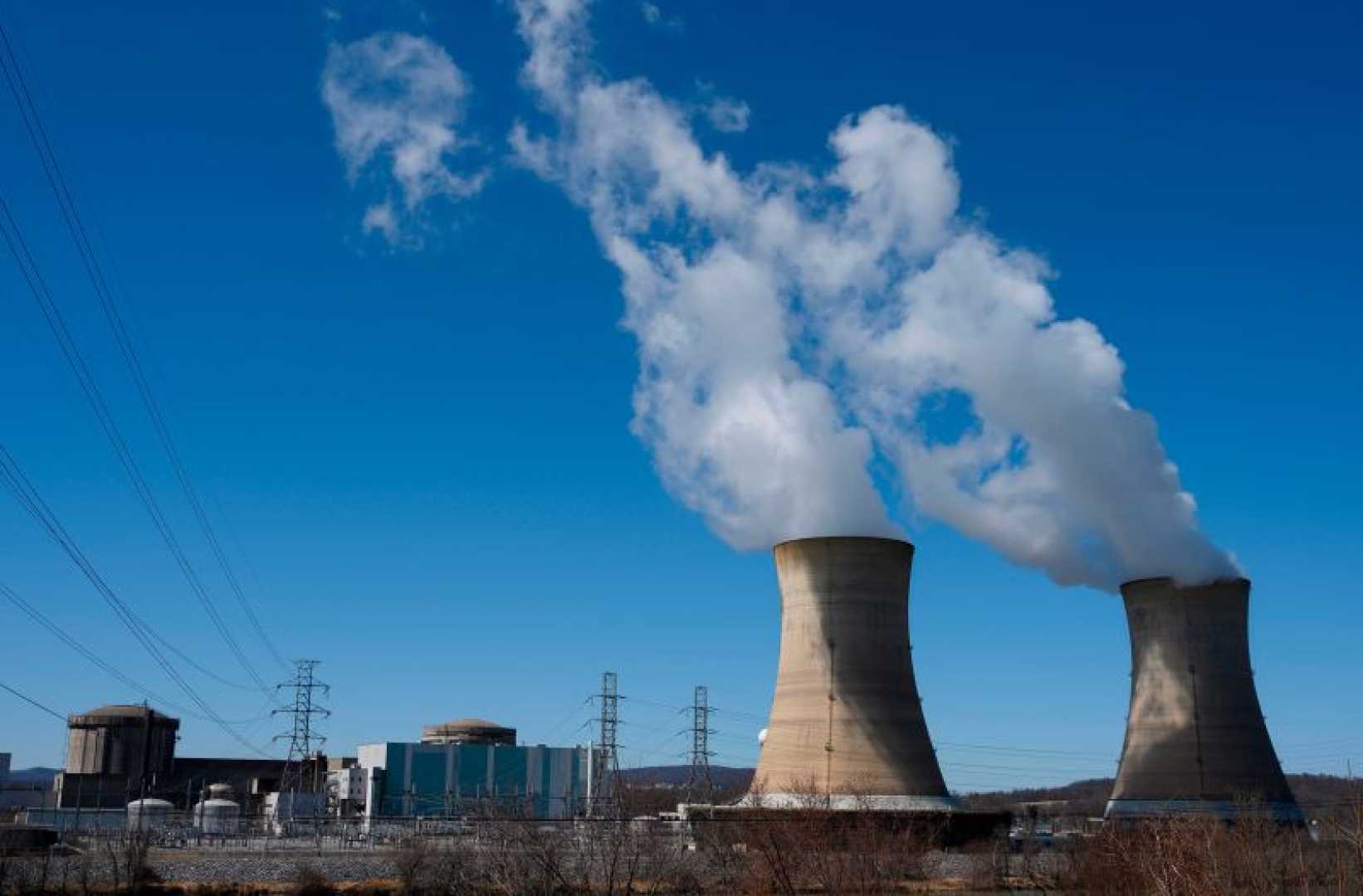
WASHINGTON, Nov 18 (Reuters) – The Trump administration announced on Tuesday that it has loaned Constellation Energy Corp $1 billion to restart a nuclear reactor at the former Three Mile Island plant in Pennsylvania.
This reactor, with an output of 835 megawatts, shut down in 2019 and is expected to be operational again by 2028. The loan is part of a collaboration between Constellation and Microsoft, which aims to purchase all the electricity generated from the reactor for the next two decades.
According to Constellation, the total cost of the project is estimated at $1.6 billion. Greg Beard, head of the Energy Department’s Loan Programs Office (LPO), said this restart will help support the PJM regional grid and provide a stable energy supply. “This type of energy is important because it’s large, stable, affordable base load power,” Beard explained.
The energy company plans to complete infrastructure inspections, revamp cooling towers, and order major equipment necessary for the reactor. As they prepare for the restart, Constellation has already hired hundreds of workers.
Beard stated that this is the first time the LPO has declared that a company has met all conditions for a loan and closed it simultaneously. He emphasized that Constellation guarantees the loan, which will protect taxpayers if the project does not succeed.
Nuclear energy has become an increasingly attractive option as electricity demand rises, driven by technological advancements including artificial intelligence. However, critics have voiced concerns about the U.S.’s failure to establish permanent storage for radioactive waste.
Energy Secretary Chris Wright noted that much of the LPO capital, which exceeds $250 billion, would be allocated for nuclear projects. This initiative reflects a broader strategy to reinvigorate large-scale nuclear reactor development, supporting the nation’s energy infrastructure.
Constellation’s previous reactor at Three Mile Island, known as Unit 2, experienced a significant meltdown in 1979, impacting the nuclear industry for years. However, the current project focuses on restoring Unit 1, which was offline due to economic factors.


