
Business
Trump’s $2,000 Tariff Rebate Proposal Faces Major Challenges

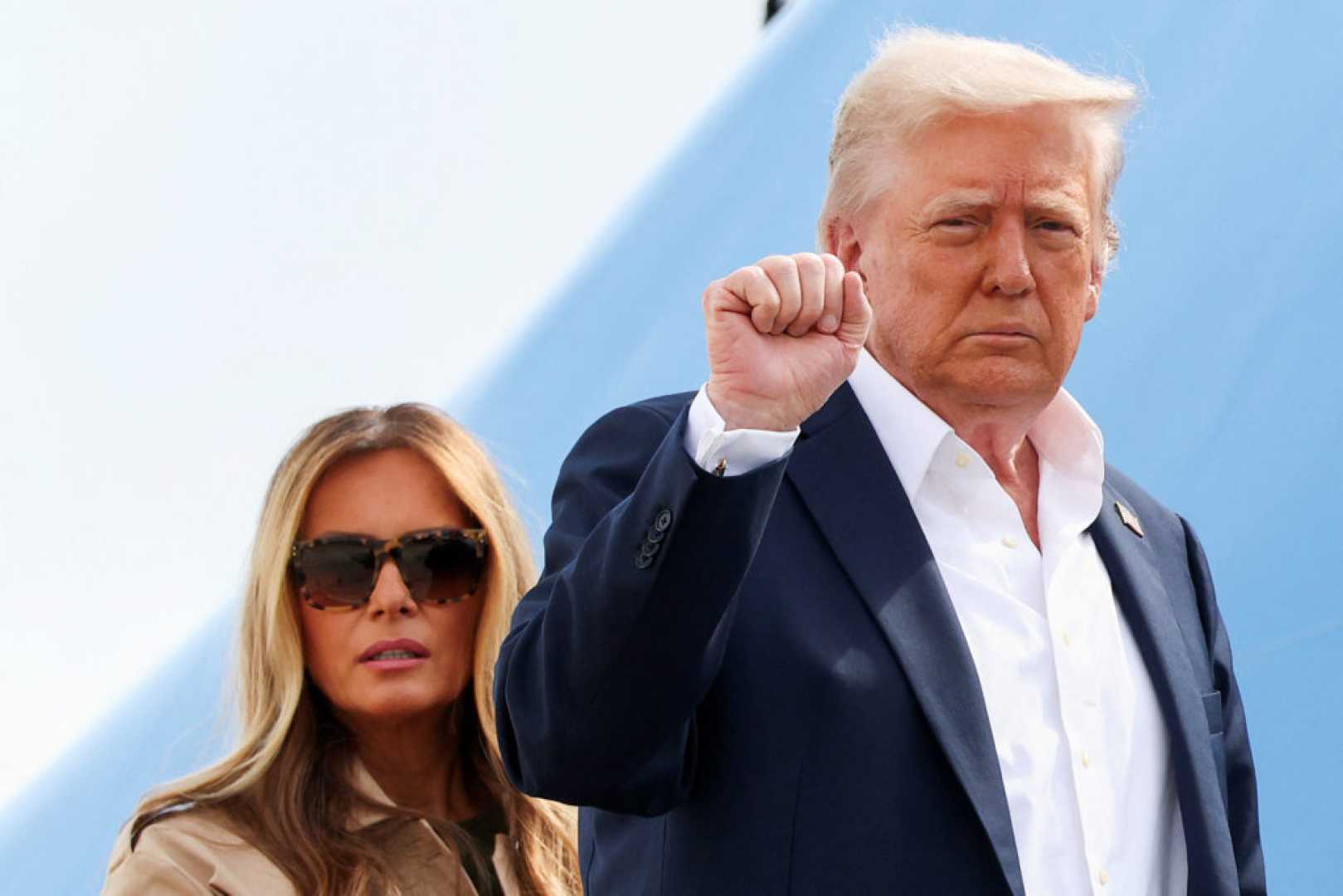
New York – President Donald Trump has proposed issuing $2,000 tariff rebate checks to help millions of Americans. He announced this plan on November 19, 2025, saying the rebates could begin next summer and aim to provide financial relief to moderate-income families.
“We’ve taken in hundreds of billions of dollars in tariff money. We’re going to be issuing dividends… probably the middle of next year,” Trump stated during a press conference. However, experts caution that significant hurdles exist before these checks could be distributed.
Scott Lincicome, vice president of general economics at the Cato Institute, noted, “It’s highly unlikely there will be some sort of stimulus check sent out next year unless the U.S. economy appears to need rescuing. I would be pretty shocked if that happened.” Lincicome highlighted concerns about the federal budget and inflation.
Despite Trump’s optimism, the numbers do not seem to add up. The Tax Foundation estimates that new tariffs could generate $158.4 billion in revenue for 2025. In comparison, the proposed tariff dividend plans could exceed $606.8 billion, potentially leading to financial instability.
Skepticism also arises from Republican lawmakers who question the practicality of the rebates. Senate Majority Leader John Thune expressed a preference for using tariff revenues to pay down the national debt instead of issuing checks.
“I’ve heard suggestions that they would apply any tariff revenue to debt repayment… I think that is a really good idea,” Thune said. Other lawmakers share concerns that the proposed checks could further inflate prices, complicating the economic landscape.
Some economists, including Stephen Moore, a former Trump economic advisor, doubt the effectiveness of sending checks directly to consumers. “Sending out checks to people is a bad way to stimulate the economy,” Moore claimed. Rather, they argue that tariff revenues should go towards broader tax cuts.
The political and legal landscape complicates the situation further. Congress must approve any plan for rebate checks, and with existing tensions regarding the national debt, it is unclear whether the necessary support exists. Additionally, the Supreme Court is reviewing Trump’s emergency use of tariffs. A ruling against the tariffs could incapacitate the entire rebate proposal.
Ultimately, analysts believe the idea of $2,000 checks may be contingent on worsening economic conditions. “If unemployment significantly rises, the White House might argue checks are necessary to boost the economy,” added Ed Mills, a policy analyst at Raymond James.


