
Entertainment
Zadie Smith’s Latest Essays: A Closer Look at Literary Bullshit

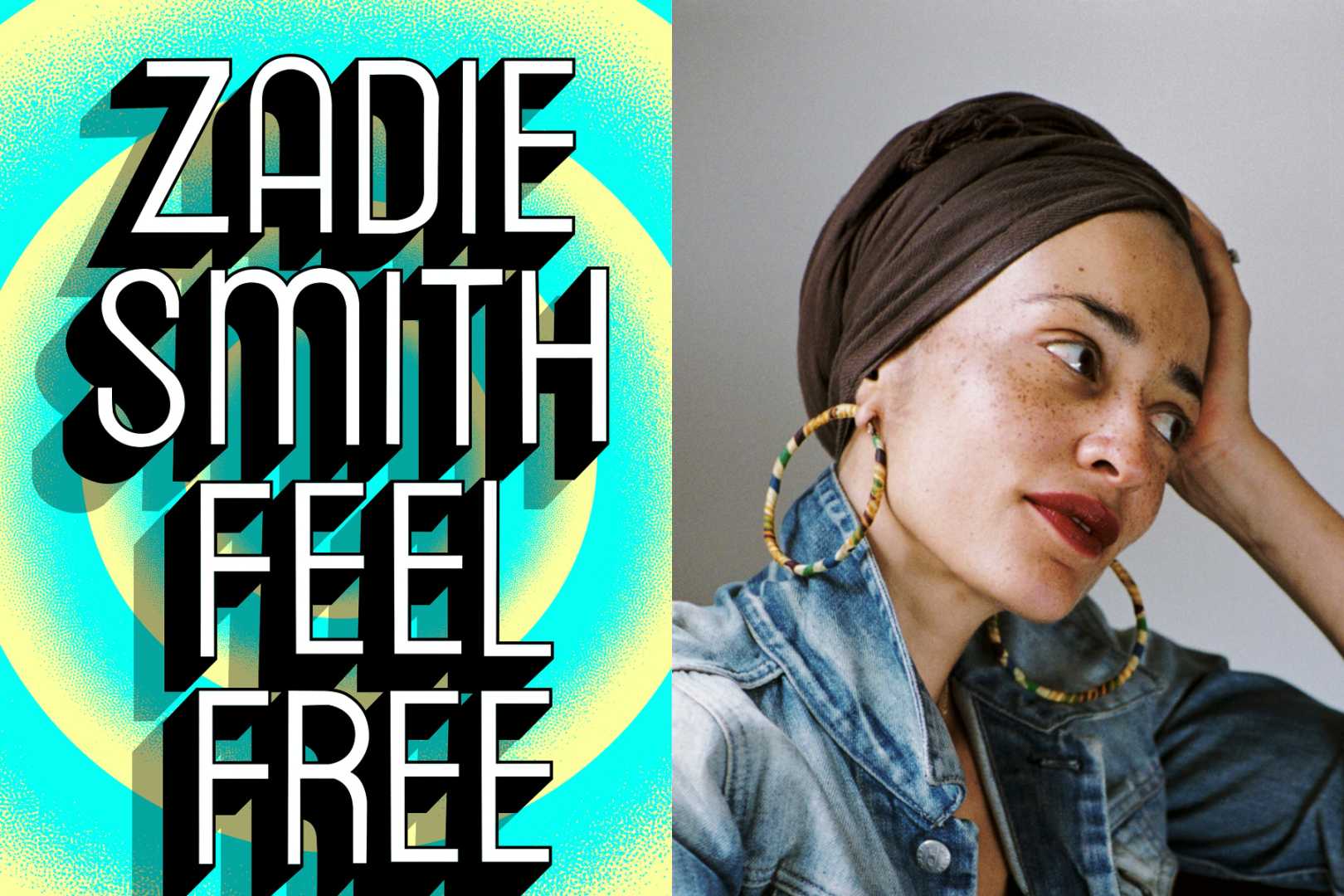
London, England – Zadie Smith, the acclaimed author of novels like White Teeth and On Beauty, has stirred both admiration and critique with her latest essay collection, Dead and Alive. The book examines contemporary political and cultural issues, yet it faces accusations of employing a confusing and indirect writing style.
The collection showcases Smith’s musings on varied topics such as the Middle East, the upcoming 2024 presidential election, and the influence of technology on society. Readers have noted a tendency in her essays to prioritize style over clarity, raising questions about the value of her insights.
Harry Frankfurt‘s 2005 book On Bullshit provides a framework for understanding Smith’s approach. According to Frankfurt, the ‘bullshitter’ speaks without regard for truth, opting instead for a detached narrative. Critics argue that Smith’s essays fall into this category, presenting unremarkable conclusions adorned with unnecessarily complex language.
This stylistic choice raises eyebrows, especially when Smith herself admits her preference for convoluted prose. In her collection, she acknowledges, “I tend to employ a lengthy and sometimes oblique way of thinking.” Her reluctance to deliver straightforward arguments draws parallels to recent criticisms of modern political discourse, where clarity is often sacrificed for ambiguity.
Smith’s past controversies contribute to this ongoing debate. In a previous essay for The New Yorker, she drew criticism for appearing to equate the motives of anti-Israeli protestors with those of their opponents, leaving readers confused about her stance.
The essays often shift between various perspectives on complex issues, with Smith describing contrasting political positions as both compassionate and duplicitous. This approach can frustrate readers seeking a definitive viewpoint.
Beyond her writing style, Smith often critiques societal norms, labeling fiscal conservatives as “evil” while portraying protestors as heroes making unimaginable sacrifices. Critics note a disconnect in her words, as she herself declines to engage in activities that could be seen as taking risks for her beliefs.
In an age of social media, Smith’s conscious avoidance of straightforward communication raises questions about her connection to today’s discussions around art and politics. She asserts that writers should cultivate unique voices, yet her essays sometimes meander into muddled territory instead of offering intriguing insights.
As readers grapple with the complexities of Smith’s thoughts, one may wonder whether her contributions elevate discourse or simply add to the clutter of contemporary commentary. While she strives to inspire intellectual engagement, many find her work falling short of that ambitious goal.
Smith remains a talented writer, but as Dead and Alive reveals, the distinction between engaging prose and literary obfuscation can be a thin line.


