
News
Daylight Saving Time Ends: What You Need to Know

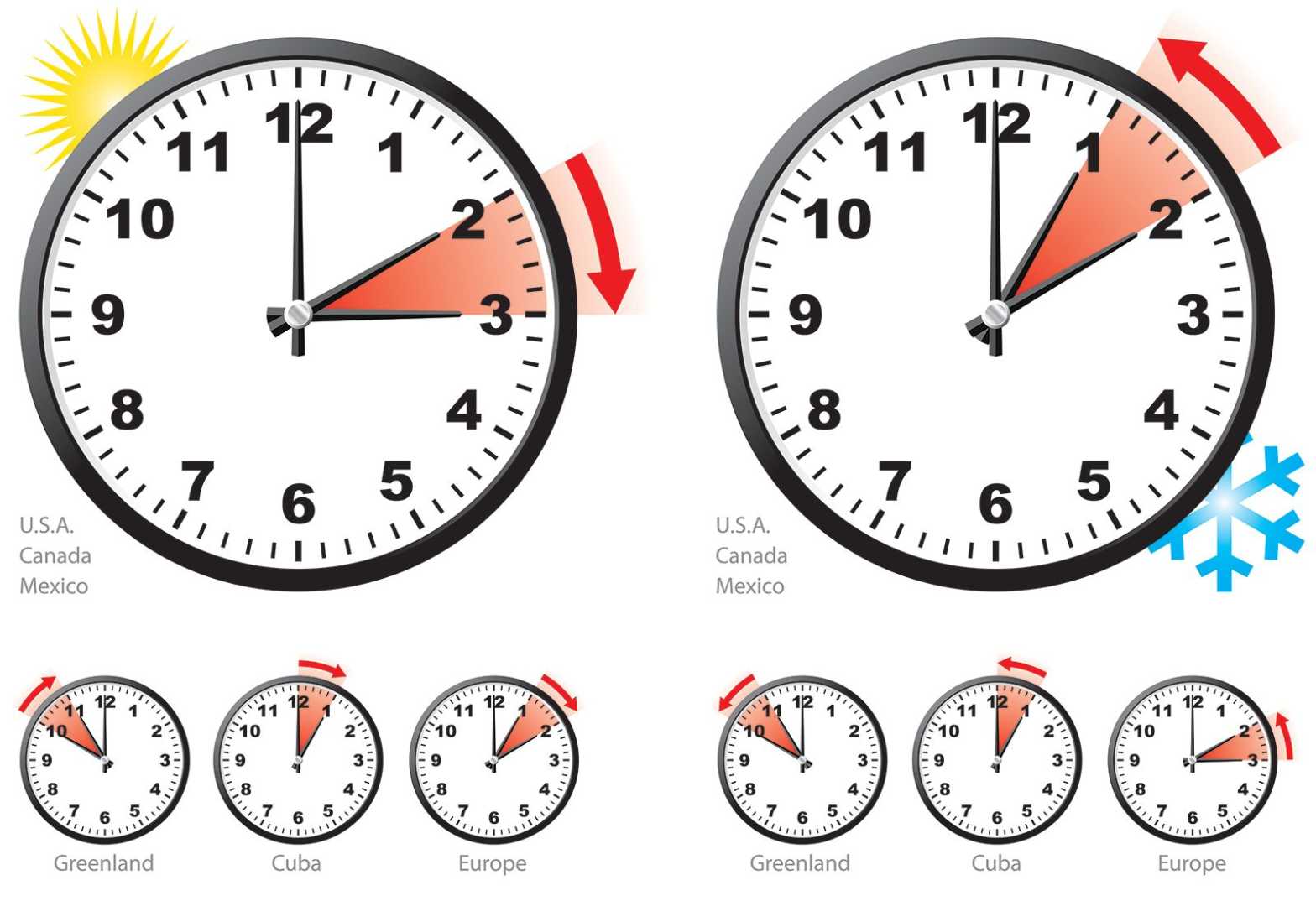
AUSTIN, Texas — Daylight saving time (DST) will come to an end in just weeks, as clocks spring forward one hour on Sunday, Nov. 2. This annual event typically signifies the approaching winter season, prompting many to prepare for cooler temperatures and shorter days.
As the clock strikes 2 a.m. on Nov. 2, residents across the 48 states observing daylight saving will gain an extra hour of sleep as the time falls back to 1 a.m. For many, this is a welcome change as they transition into the chilling months of the year.
Daylight saving time has been observed in various forms since its inception during World War I, initially aimed at conserving energy. It allows for longer daylight hours in the evening by setting clocks ahead in the spring and reverting them back in the fall. The phrase “spring forward, fall back” helps people remember the shift.
The original concept is often credited to Benjamin Franklin, who proposed adjusting clocks to save candles in an essay written in 1784. However, it was not until 1916 that Germany first implemented the practice, and the U.S. followed suit in 1918.
Currently, daylight saving time begins on the second Sunday in March and ends on the first Sunday in November, according to the Energy Policy Act of 2005. This replaced various previous laws that dictated different start and end dates.
Despite the intended benefits, daylight saving time has faced scrutiny. Arizona and Hawaii are the only states that do not adjust their clocks, along with several U.S. territories. In recent years, numerous states have introduced legislation to keep daylight saving time year-round; however, federal law requires Congressional approval for such changes.
Efforts to make daylight saving time permanent have garnered attention, particularly after the U.S. Senate approved the Sunshine Protection Act in 2022, which would eliminate the clock changes entirely. However, the bill stalled in the House.
Supporters of continuous daylight saving time suggest it enhances safety, productivity, and convenience. In contrast, health experts warn against potential negative effects on sleep patterns and public safety due to the abrupt clock changes.
As the end of daylight saving time nears, many will eagerly anticipate the adjustment, looking forward to a seasonal shift that marks the arrival of autumn and winter.


