
News
Daylight Saving Time Ends November 2: What to Know

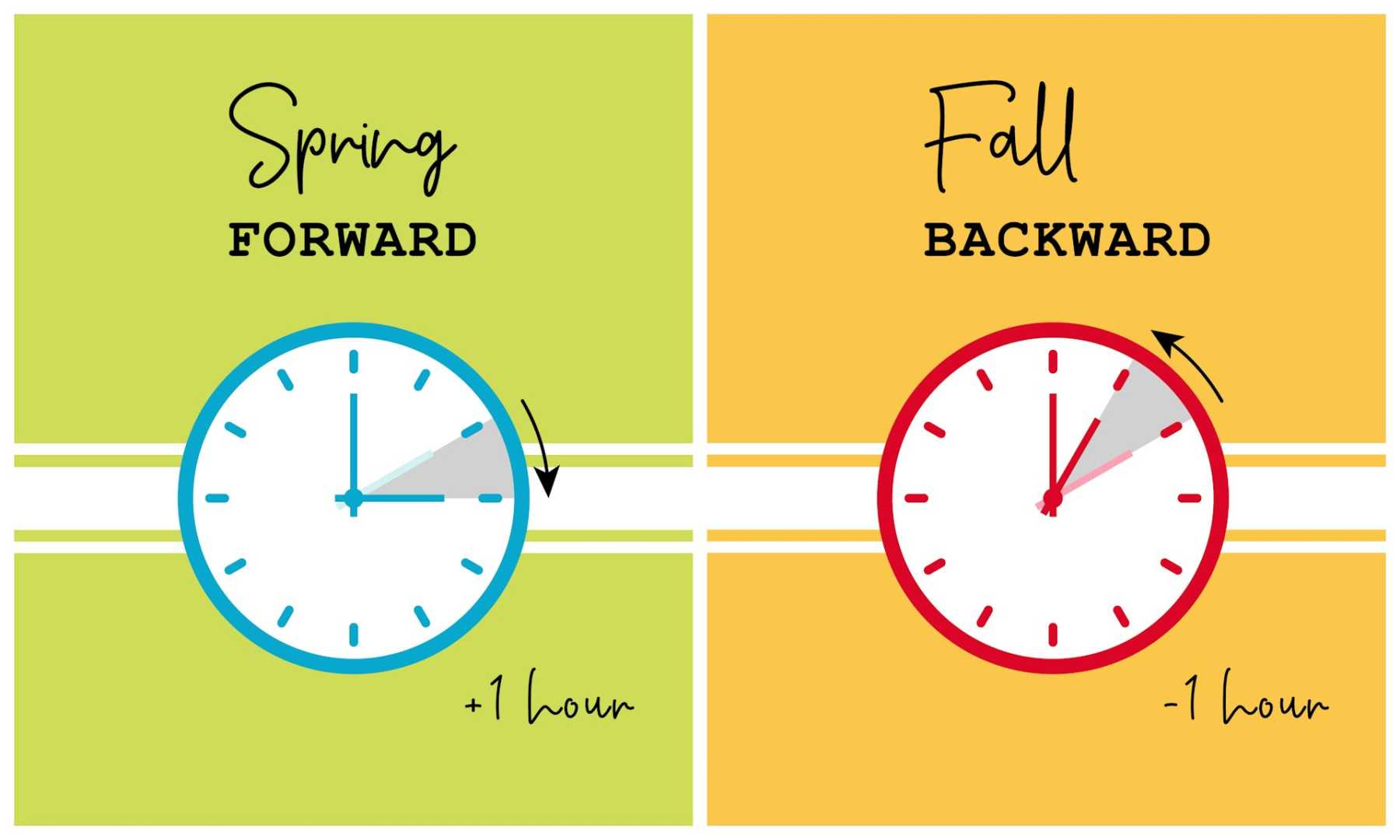
WASHINGTON, D.C. — Daylight Saving Time (DST) will end on Sunday, November 2, 2025, at 2 a.m., when clocks will be set back one hour to 1 a.m. This biannual time adjustment means an earlier sunset as we move into the darker months of the year.
The practice of daylight saving is designed to make better use of daylight during the warmer months. Many countries, including most of the United States, adhere to this schedule. Some experts believe it helps save energy, as it allows for increased outdoor activities in the evening.
In a recent Truth Social post, former President Donald Trump urged Congress to make DST permanent, arguing that constant clock changes are inconvenient and costly. “The House and Senate should push hard for more Daylight at the end of a day,” he said. His statements reflect ongoing debates regarding the effectiveness and necessity of shifting the clocks.
While the Sunshine Protection Act, which aims to establish permanent DST, passed the Senate in 2022, it stalled in the House. Currently, 29 states have introduced legislation to end the clock changes.
Under current law, Daylight Saving Time starts on the second Sunday in March and ends on the first Sunday in November. In 2026, DST will resume on March 8, prompting clocks to spring forward one hour.
Notably, Hawaii and parts of Arizona do not participate in DST, along with several U.S. territories. This leads to confusion as some states still observe standard time year-round.
As we approach the end of DST, many people will welcome an extra hour of sleep on November 2. However, the push for a permanent change in how we manage our time continues.


