
Business
Meta Cuts 600 AI Jobs While Expanding Superintelligence Lab

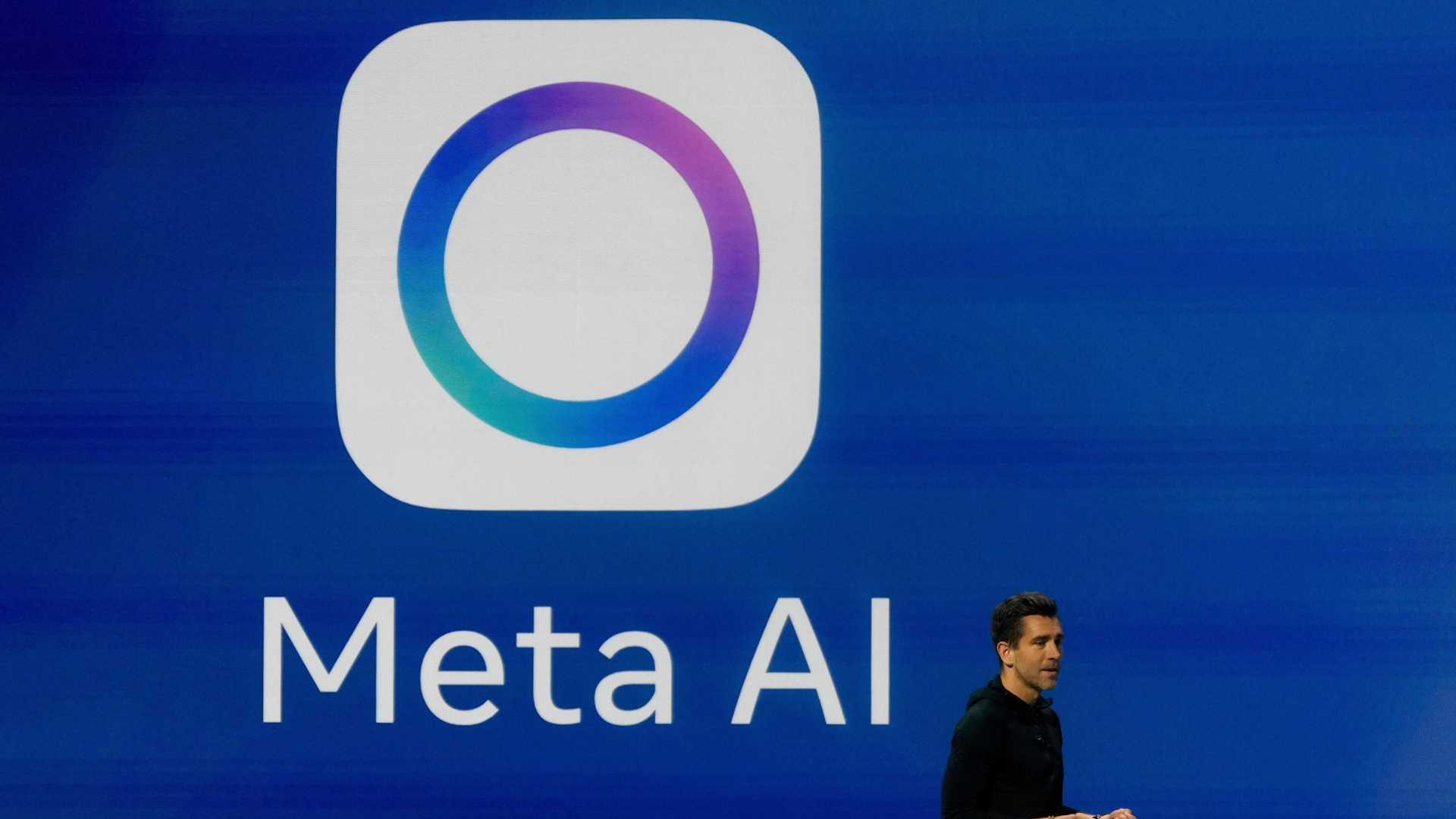
MENLO PARK, Calif. — Meta Platforms is cutting approximately 600 jobs within its artificial intelligence division, the company confirmed on Wednesday. Despite these layoffs, Meta will continue to hire for its Superintelligence Lab, which focuses on developing advanced AI technologies.
The layoffs will primarily affect Meta’s Fundamental AI Research (FAIR) group and product-related AI units. The cuts were first reported by Axios, detailing a memo from chief AI officer Alexandr Wang in which he encouraged affected employees to search for other roles within the company.
Wang emphasized that the restructuring aims to create a more efficient and agile organization as competition grows in the race toward superintelligence. He stated, “By reducing the size of our team, fewer conversations will be required to make a decision, and each person will be more load-bearing and have more scope and impact.”
While the layoffs impact some legacy AI teams, Meta’s new TBD Lab—a unit dedicated to developing the company’s latest large language models—will remain unaffected. Meta’s strategic shift toward hiring high-profile AI talent is a key component of CEO Mark Zuckerberg‘s plan to accelerate AI advancements.
Despite the layoffs, Wang assured employees that Meta remains committed to investing heavily in AI technology. He noted, “This by no means signals any decrease in investment. In fact, we will continue to hire industry-leading AI-native talent,” as the company faces pressure to streamline operations.
Earlier this week, Meta announced plans for significant investment in a new Hyperion data center in Louisiana, valued at $27 billion. These efforts follow a series of industry-wide layoffs among major tech companies, which have also struggled with integrating AI technology into their operations.
Meta is expected to report its third-quarter earnings next week amid increasing expenses projected for 2026, largely driven by its AI initiatives. The company’s AI products reportedly reach over a billion users monthly, yet it faces criticism for lagging behind rivals like OpenAI and Google in consumer adoption.


